Some bags promise miracle growth. Others drain too fast or hold water like mud. I’ve tested dozens of mixes on my own plants: herbs, succulents, and tropicals. What matters isn’t marketing. It’s drainage holes, air pockets, and whether the blend matches your plant’s root system.
I’ll show you which soils actually work and why your fiddle-leaf fig or snake plant will tell the difference.
Quick Picks: 5 Best Indoor Plant Soils Compared
Which soil fits your plants and your budget?
FoxFarm Ocean Forest
Premium option
This indoor potting soil contains earthworm castings, fish meal, and crab meal. It retains moisture well. Plants feed for 3–4 weeks.
Miracle-Gro Indoor Potting Mix
Best budget pick
This 16-quart two-pack offers loamy texture. Fertilizer lasts six months. You refresh soil less often.
Espoma Organic Potting Soil
Best organic choice
Mycorrhizae fungi build strong roots. Drainage works for containers and grow bags.
Black Gold Sun Gro
Versatile all-purpose mix
Slow-release fertilizer at 0.13-0.05-0.10 feeds plants for months. You skip extra feeding.
Cactus and Succulent Soil Mix
Specialty blend
This sandy mix with compost suits indoor succulents. Drainage prevents root rot. Nutrients last up to one year.
Pick the mix that matches your plant type and care routine.
Best Overall Potting Soil: FoxFarm Ocean Forest Review
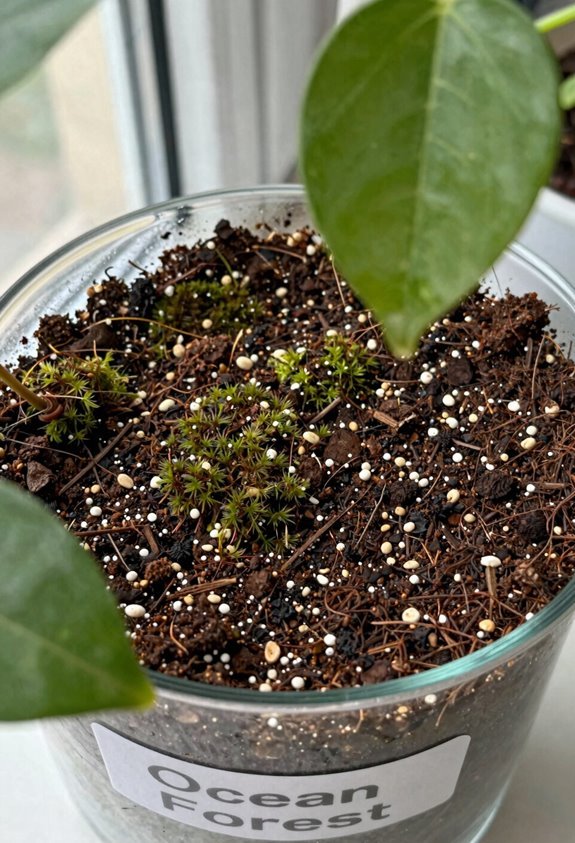
FoxFarm Ocean Forest earns its spot as my top pick for indoor plants. This potting soil blends earthworm castings with fish and crab meal. The result delivers organic nutrients your plants need from day one.
FoxFarm Ocean Forest blends earthworm castings with fish and crab meal to deliver organic nutrients from day one.
Why It Works
The mix balances moisture retention with proper drainage. I water less often because the soil holds water without staying soggy. Plants that prefer loamy soil do well here. The texture supports root growth while feeding plants upfront with nitrogen.
What to Know
Expect the organic nutrients to last three to four weeks. After that, you’ll add fertilizer.
This potting soil fits most indoor plants without fuss. It belongs in your collection if you want reliable results without overthinking your setup.
Best for Heavy Feeders: FoxFarm Happy Frog Potting Soil
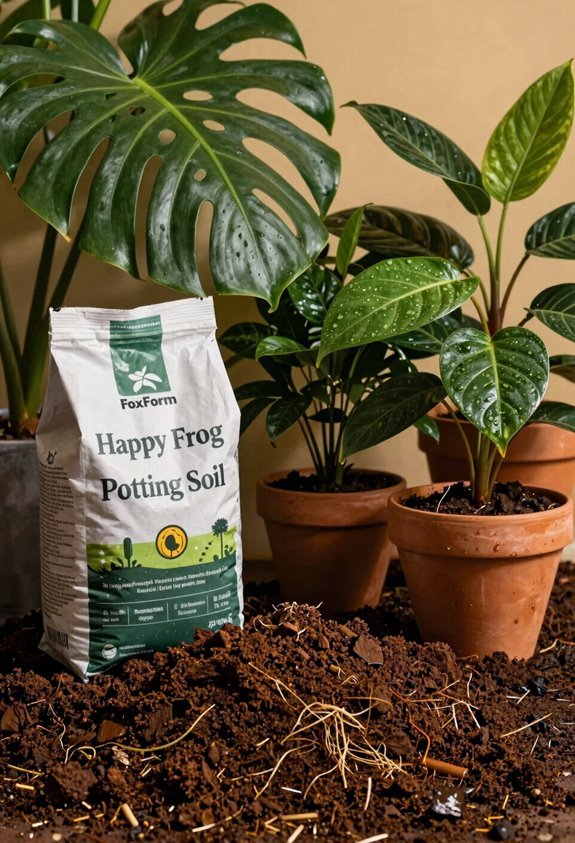
Some plants need more food than others. I’ve seen heavy feeders like fiddle leaf figs and bird of paradise struggle in basic mixes. They need better.
Best for Heavy Feeders: FoxFarm Happy Frog Potting Soil
This nutrient-rich blend supports demanding indoor plants with strong early growth. FoxFarm Happy Frog includes beneficial microbes that break down organic nutrients for steady uptake. The mix drains well yet holds moisture for active root systems.
I use it for large tropicals that exhaust standard soils within weeks. You get a solid nutrient base that carries heavy feeders through their first growth push. Plan to supplement feed after four to six weeks as the organic nutrients deplete. This soil belongs in your rotation when standard mixes fall short.
Best Organic Option: Espoma Organic Indoor Mix

I pick Espoma Organic Indoor Mix when I want a truly organic indoor medium. The mix contains mycorrhizae fungi that colonize roots and improve nutrient uptake in containers.
I use this soil for indoor vegetables and leafy greens because it drains well and carries no synthetic fertilizers.
Mycorrhizae Root Support
Why settle for basic potting soil when you can give roots a living support system? Espoma Organic Potting Soil Mix contains mycorrhizae fungi. These beneficial organisms bond with roots. They expand the root network. Your indoor plants absorb more nutrients and water. Strong root establishment follows naturally.
Organic Growing Made Simple
This organic potting soil suits containers and grow bags. It delivers proper drainage for indoor setups. Water moves through without pooling. Roots stay healthy and oxygenated.
What to Watch For
Some growers notice bugs in the bag. Check soil before potting. Store unused mix sealed and dry.
The Bottom Line
Espoma Organic Potting Soil Mix ranks as the best organic option. It supports indoor plants through biological root partnership.
Organic Vegetable Growing
Grow your own food indoors with the right foundation. I choose Espoma Organic Potting Soil Mix for my indoor vegetable cultivation. This organic potting mix contains mycorrhizae fungi. These fungi build strong root systems. Strong roots mean plants that stay in good condition.
Drainage and Design
I need drainage for containers when growing vegetables inside. Espoma provides adequate drainage for pots, containers, or grow bags. Water flows through without drowning roots. My plants stay in good shape.
Considerations
Some gardeners report bugs in potting soil with this mix. I check bags before buying. I store soil properly to prevent issues.
Best For
I recommend this organic potting mix to gardeners who favor organic methods. It supports indoor vegetable cultivation with minimal fuss.
Best for Cacti & Succulents: Bonsai Jack Soil Mix
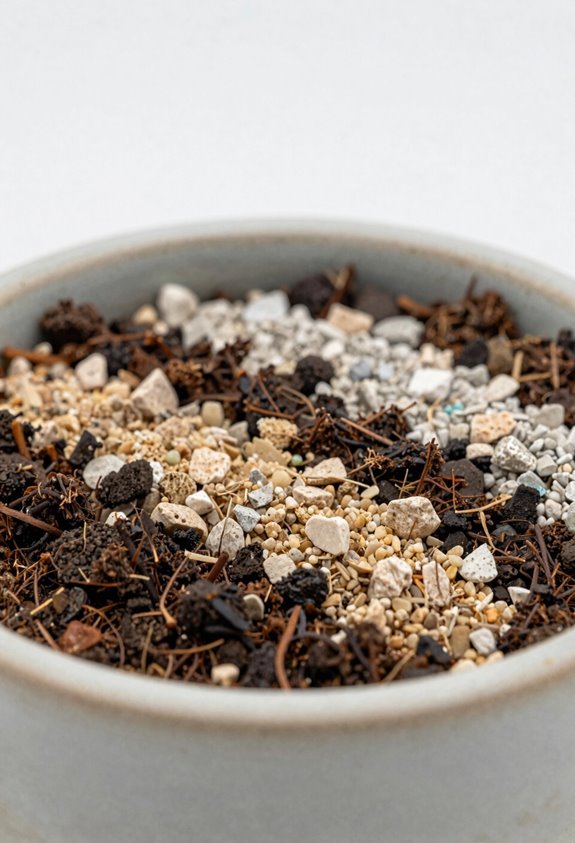
How do you keep a cactus alive indoors? Start with the right soil. I use Bonsai Jack Succulent & Cactus Mix for my succulents. This mix copies arid habitats with its sandy texture and fast-drying formula.
The mix gives you five key benefits:
- Superior drainage: Water exits fast. Roots stay dry and healthy.
- Quick aeration: Air moves through pores. Your plants breathe easy.
- Root rot prevention: Minimal moisture lingers. Overwatering risk drops.
- Long watering gaps: Soil dries fully. You water less often.
I add Bonsai Jack Pumice for extra drainage. The blend supports indoor cacti that need structure and quick drainage. Skip regular potting mix. It holds too much water. Your desert plants need this gritty fast-drying base to do well.
DIY Indoor Potting Soil: Custom Blend Formula That Works
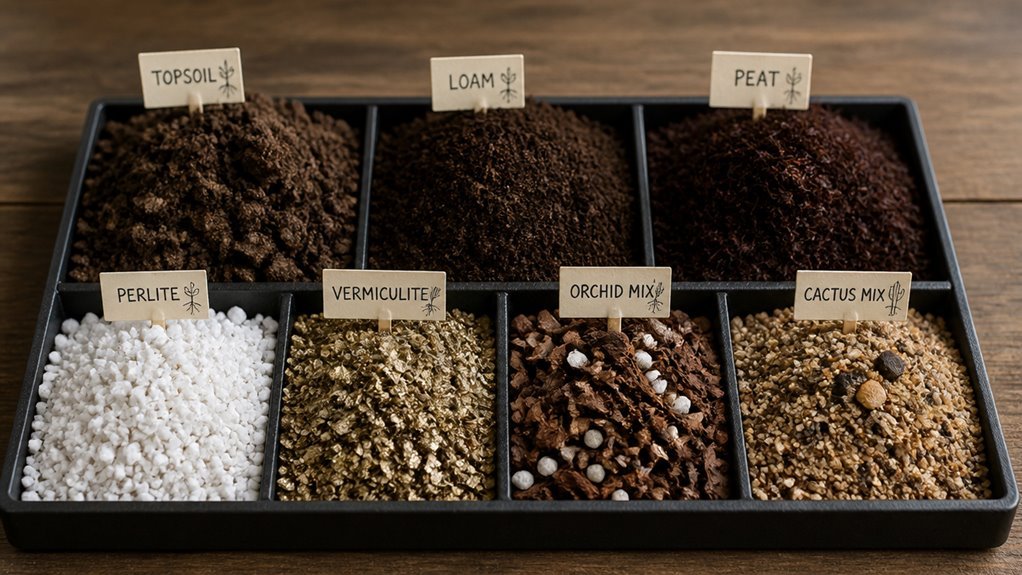
I blend my own mix using 50% potting mix, 25% perlite, 12.5% peat moss or coco coir, and 12.5% vermiculite. This ratio delivers balanced drainage and moisture retention.
Custom blending lets me swap coco coir for peat moss for a greener option. I also adjust vermiculite levels for seed starting when roots need gentler support.
DIY Mix Ratio
Why overpay for bagged mixes when you can blend your own? I use a simple formula that works every time.
Base Blend, by Volume
Start with 50% potting mix. Add 25% perlite for aeration. Mix in 12.5% peat moss or coco coir. Finish with 12.5% vermiculite. This gives balanced moisture retention, aeration, and drainage.
Perlite Limits
Perlite boosts aeration and moves water to roots. Too much causes fluoride burn. Adjust with care.
Peat vs. Coir
Peat moss holds moisture and buffers temperature. Coco coir does the same but renews faster. Pick what fits your values.
Plant-Specific Tweaks
Tropical plants need more peat or coir. Succulents need extra perlite or sand. Match your mix to your plants.
Benefits Of Blending
Blending your own indoor potting soil puts you in control. You balance drainage and moisture retention by combining potting mix, perlite, coco coir, and vermiculite in precise ratios. This creates an environment where roots thrive.
| Component | Purpose |
|---|---|
| Perlite | Improves drainage and prevents compaction |
| Coco coir | Retains moisture, eco-friendly alternative |
| Vermiculite | Holds water, supports aeration |
I use roughly 50% potting mix, 25% perlite, 12.5% coco coir, and 12.5% vermiculite. You adjust these ratios for specific plants. Succulents need more perlite. Tropicals prefer loamier textures. Add worm castings for nutrients. This reduces repotting frequency. Your plants grow stronger. You are part of a community of growers who understand their soil matters.
Specialty Plant Soils: When to Use Orchid, Violet & Bromeliad Mixes
Orchid mixes rely on orchid bark chunks, not soil. I use orchid mix for my Phalaenopsis because the bark-based media delivers aeration for roots while holding just enough moisture. The drainage-focused ingredients in these blends mirror how orchids cling to trees in nature.
I reach for African violet mix when potting Saintpaulia. This blend drains fast and stays slightly acidic. Standard potting soil rots violet roots.
My bromeliad mix feeds epiphytes that hate wet feet. Tank-types need organic richness without waterlogging.
Three specialty options stand apart:
- Orchid Mix: Chunked fir bark, perlite, charcoal; 1/4 to 1/2 inch particles for airflow.
- African Violet Mix: Peat, vermiculite, perlite; pH 5.8 to 6.2.
- Bromeliad Mix: Coarse bark, coco coir, coarse sand; fast drainage mandatory.
Pumice amendments boost porosity across all three.