I use a soft microfiber cloth dampened with lukewarm water. I wipe from base to tip on both sides. This lifts dust without scratching the leaf surface.
Rinse Large Leaves in Lukewarm Water
I hold broad leaves under gentle running water for 10 seconds. I let them air dry on a towel. This prevents water spots from forming.
Shine Leaves With a Milk and Water Mixture
I mix one part whole milk with two parts water. I apply with a cloth and buff dry. The proteins create a subtle natural gloss.
Rub Banana Peels on Leaves for Natural Shine
I use the inside of a ripe banana peel. I wipe each leaf once then buff with a clean cloth. The potassium nourishes while adding sheen.
Boost Shine With Neem Oil
I dilute one teaspoon neem oil in one quart water. I spray lightly and wipe excess. This adds shine and repels common pests.
Mist With Apple Cider Vinegar
I mix one tablespoon vinegar with one cup water. I mist from 12 inches away. The mild acid removes residue and restores luster.
Skip Commercial Sprays
I avoid silicone-based leaf shine products. They clog pores and attract more dust. Natural methods work better long-term.
Start With a Damp Cloth to Remove Dust
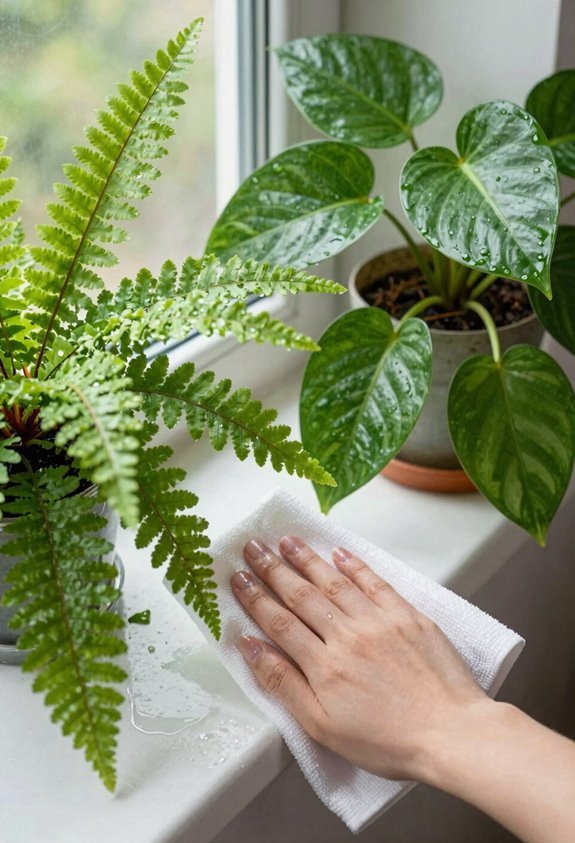
Wipe away dust with a damp cloth before adding shine—clean leaves absorb light and hold gloss longer.
Before you add any shine, you need to wipe off the dust. I grab a soft, lint-free cloth and dampen it with clean water. I work from the base to the tip of each leaflet. This lifts dust instead of dragging it around.
Use Gentle Pressure
I press gently as I wipe. The leaf surface is delicate. Too much force causes damage. I cover both sides of each leaf for full coverage.
Make It a Weekly Habit
I do damp-cloth dusting every week. This routine keeps leaves clean. It prepares the surface for leaf shine products.
Clean leaves absorb light better. Your plant looks healthier. The shine lasts longer when you start with this step.
Rinse Large Leaves in Lukewarm Water
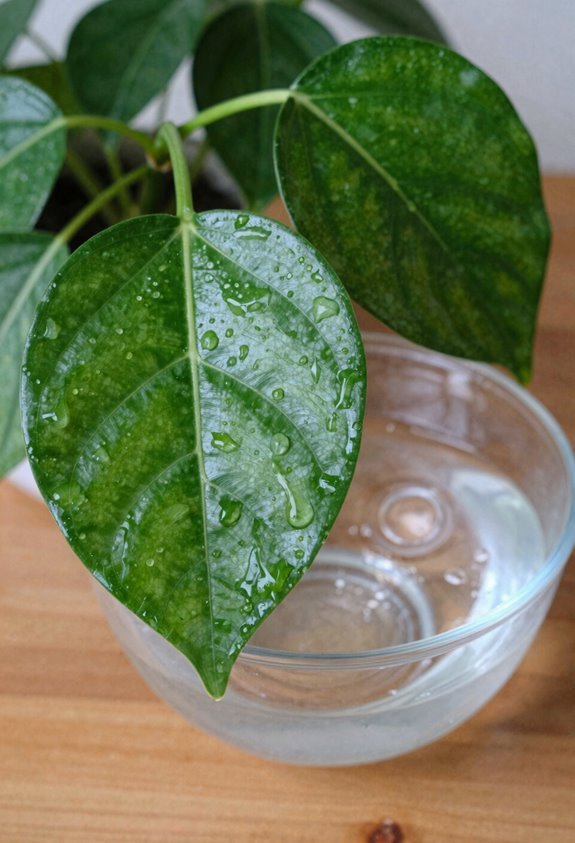
I always start my rinse by filling a basin with lukewarm water, around 70°F, so I don’t shock the leaves. I hold each leaf gently with one hand while I pour water over the blade with the other, letting it run right off the edges.
I place rinsed plants in indirect light and let them air dry to skip water spots.
Water Temperature Importance
Water Temperature Importance
Why risk damaging your plants with water that’s too hot or too cold? I always use lukewarm water to rinse leaves on my larger plants. Extreme temperatures shock plant tissue and cause curling or permanent damage.
Finding the Right Temperature
Lukewarm water measures 90°F to 110°F. Touch the stream against your wrist. It feels comfortable, not hot. Cold water fails to cut through dust buildup. Hot water burns leaves and destroys chlorophyll.
Why Warm Water Works Better
Warmth dissolves oily residues and fingerprints faster than cold. You’ll wipe less and shine more. My fiddle leaf figs and rubber plants respond better to this gentle approach.
Drying After the Rinse
Air-dry leaves or pat with a soft cloth. Trapped moisture invites fungus and leaves spots.
Rinsing Technique Tips
Where do I clean my biggest plants? I take them to the kitchen sink or shower. I use the sprayer or showerhead on gentle flow.
Rinsing Technique
I keep the water lukewarm. Hot water burns leaves. Cold water shocks them. Neither helps leaves shine.
Hand Support
I cup each leaf with my palm. I rinse the top. I rinse the underside. This prevents tears. This stops bent stems.
Drying Step
I let leaves air dry. I pat them with a soft cloth. I skip this step. Water spots form. Mold grows.
Routine Timing
I rinse weekly. I clean before shining. Dirt blocks products. Clean leaves absorb better.
This rinsing technique preps my plants. My leaves shine after. My plants stay in good condition. I keep this habit simple.
Leaf Support Method
Large leaves need steady hands. I cradle each leaf with my palm while I rinse. This prevents tearing at the stem.
| Support Hand | Rinse Hand |
|---|---|
| Holds leaf flat | Controls water flow |
| Stays beneath center | Moves from base to tip |
| Adjusts for curves | Keeps pressure gentle |
| Maintains steady lift | Avoids direct spray on stem |
I use lukewarm water from my kitchen sprayer. Hot water burns the leaf. Cold water shocks it.
I pat each leaf dry with a soft cloth. This removes residue before I apply any shine treatment. Clean leaves absorb polish better. Dirty leaves look dull no matter what product I use. Supporting the leaf takes seconds. The shine lasts weeks.
Shine Leaves With a Milk and Water Mixture
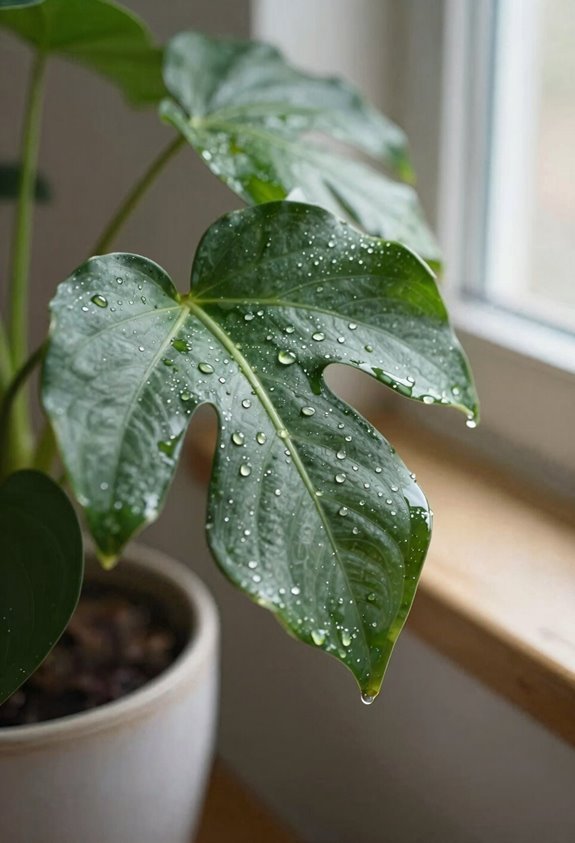
I mix equal parts whole milk and water in a small bowl. I dip a soft cloth into the solution and gently wipe each leaf. I avoid soaking the leaves to prevent damage.
Milk Mixture Ratio
Mix up equal parts whole milk and water. I use one cup of milk and one cup of water in a small bowl. Whole milk works better than skim. The fat content gives leaves a deeper shine.
I grab a soft cloth and dip it into the mix. I wring it out so it is damp, not dripping. I wipe each leaf gently. The milk-water blend lifts dust and adds luster.
I follow with a dry cloth. This removes any residue. I avoid fuzzy or textured leaves. They hold moisture and rot easily. I open a window after. Airflow prevents mold.
This ratio is simple. It costs little. My plants look cared for. The method fits my routine.
Application Technique Steps
Once you’ve got your milk mixture ready, grab a soft microfiber cloth or an old cotton t-shirt. Dip it into the milk and water blend, then wring out excess liquid. I use whole milk for better shine, but I never soak the cloth.
Wipe Direction and Support
I wipe each leaf from base to tip in one smooth motion. I support the back of the leaf with my free hand to stop bending or tears. This protects delicate stems and keeps leaves intact.
Drying and Limitations
I let leaves air-dry or pat gently with a dry cloth. I skip this method on fuzzy or hairy leaves. I also avoid plants with steamed or high-fat residue buildup. Regular smooth-leaf plants handle this milk wipe technique without issues.
Rub Banana Peels on Leaves for Natural Shine
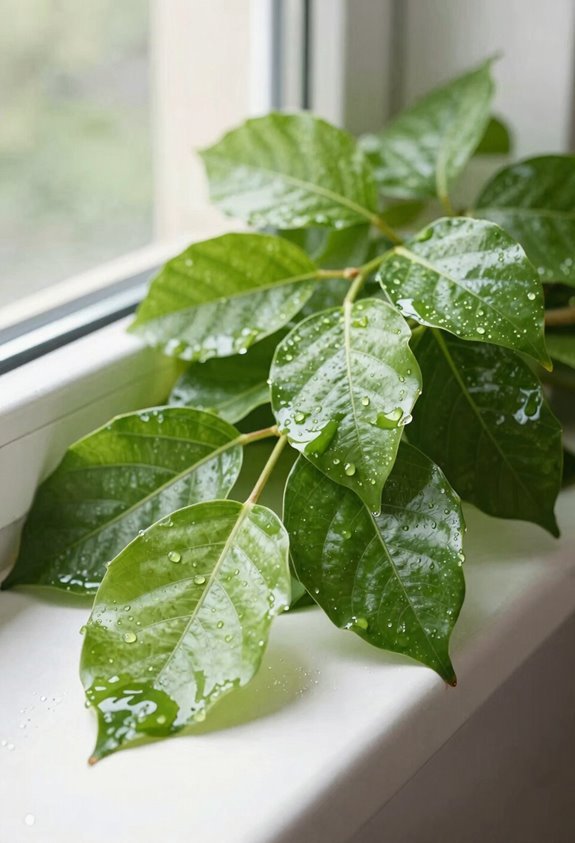
Why reach for synthetic sprays when your kitchen holds a simpler solution? I use banana peels to make my leaves shine the natural way.
The method is straightforward. I take the inside of a ripe banana peel. I rub it directly on each leaf surface. The natural oils and minerals transfer over. Then I wipe with a soft cloth. This removes residue and finishes the clean, polished look.
Benefits of this approach include:
- Zero chemicals. It’s 100% organic and eco-friendly.
- Subtle results. You get a natural glow, not plastic shine.
- Free materials. You already bought the banana.
I avoid excess moisture on my banana peels routine. Sticky buildup attracts dust. Most indoor plants handle this well. Skip this if leaves feel tacky after wiping.
Boost Shine With Neem Oil (and Repel Pests Too)
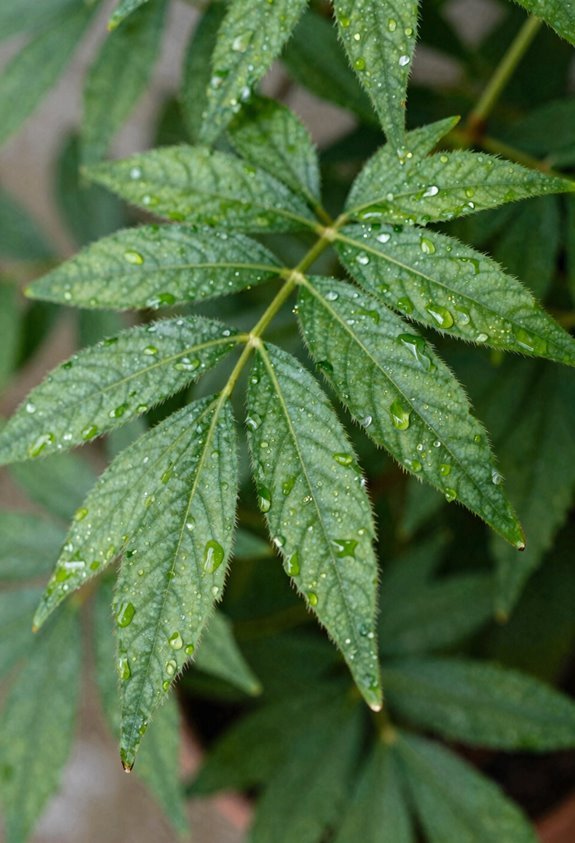
Neem oil handles two jobs at once. It makes leaves shine and keeps bugs away. You’re getting a two-for-one deal that your plant friends will notice.
Mix Your Spray
Combine a few drops of neem oil with water in a spray bottle. Mist the leaves lightly. Wipe with a soft cloth for even coverage.
Wipe With Care
Dab neem oil onto a tissue or cloth. Gently wipe the leaves. Use sparingly to avoid damage.
Finish Clean
Buff with a clean cloth to remove excess neem oil. Don’t let residue clog the stomata or pull in dust.
Set Your Schedule
Apply monthly or when pests appear. This keeps leaves glossy without overdoing it. Your plants stay in good shape and you stay ahead of problems.
Mist Leaves With Apple Cider Vinegar for Extra Gloss
You’ll need apple cider vinegar and water. I mix equal parts in a spray bottle to make my leaves shine. This simple blend cuts through grime without fancy products.
Equal parts apple cider vinegar and water: my go-to blend for naturally shiny leaves without the fancy price tag.
Mix It Right
Combine one part apple cider vinegar and one part water. Shake gently before use.
Apply With Care
Spritz the mixture onto foliage. Wipe each leaf with a soft cloth to spread the solution and lift dust.
Protect Your Plant
Keep the mix off soil and roots. Test a small leaf area first. Check for discoloration before full application.
I mist lightly and buff every surface for even coverage. This method makes my leaves shine naturally. Many people who care for plants in our community swear by this budget-friendly trick. The results speak for themselves.
Skip the Commercial Sprays That Dull Leaf Shine
I stopped buying commercial leaf shine years ago. Those aerosols clog your plant’s stomata and leave behind residues that turn leaves dull over time.
Join the rest of us who’ve switched to safer options. Grab a tissue and dab on neem oil for a natural glow. Mix two drops of mild soap in a cup of lukewarm water for a gentle spray. Wipe leaves first with a damp cloth to remove dust.
Test any vinegar mixes on one leaf before full application. Clean weekly with a light swipe. Skip the chemicals. Your plants stay fit and you’ll keep that shine without the buildup. This approach works and your fellow plant people have already made the switch.