
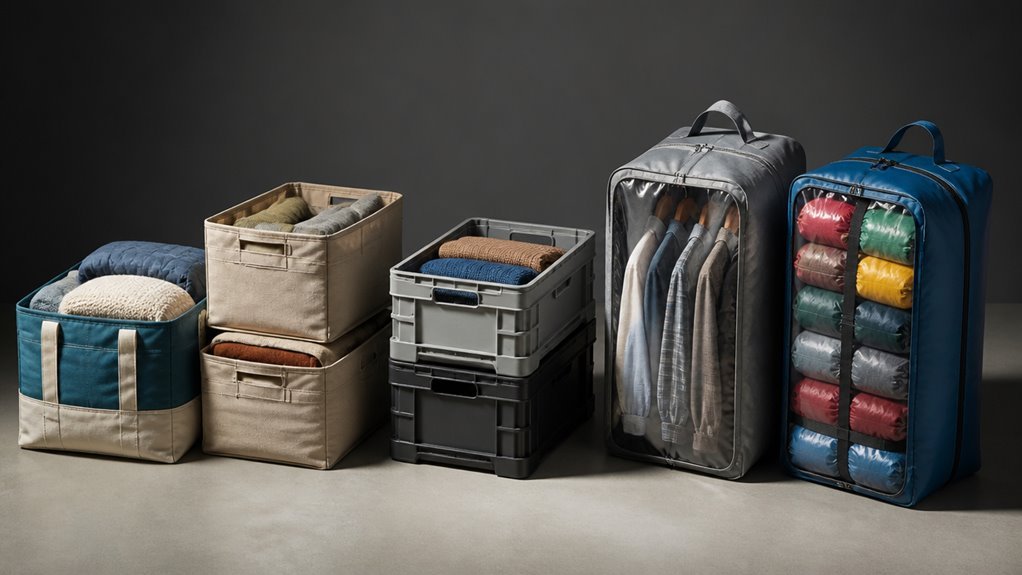
Cardboard is the default, not the only path. I’ve hauled clothes in 28-inch hard-shell suitcases, stacked 18-gallon Sterilite totes floor-to-ceiling, and watched vacuum bags shrink comforters to half their bulk.
Each method carries trade-offs in cost, durability, and access. The right choice depends on what you own, how far you’re going, and what you’re willing to spend. I’ll walk you through five proven alternatives that hold up under real moving conditions.
Choose the Right Moving Box Alternative for Your Move
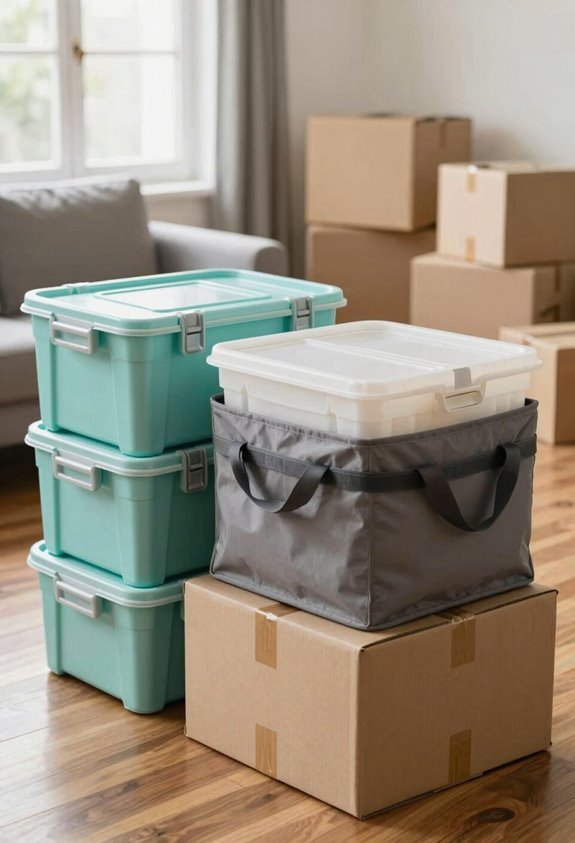
How do I pack without buying a stack of cardboard? I start with what I already own.
Suitcases
I roll clothes and books into my wheeled suitcases. I keep electronics and valuables with me this way.
Dresser Drawers
I leave lightweight items inside if movers agree. I never overload them. Heavy drawers damage joints.
Backpacks
I stash documents, laptops, and medications here. I avoid damp or fragile items. Padding matters.
Buckets and Trash Cans
I fill these with tools, cleaning supplies, and long-handled items. They’re rigid and waterproof. No padding means no breakables.
Storage Totes and Bins with Lids
I pack clothing and linens in plastic moving boxes. I check lid integrity by brand. These don’t protect fragile items.
I match each container to its contents. Right fit saves time and trouble.
Rent Stackable Plastic Boxes for Fragile and Heavy Items
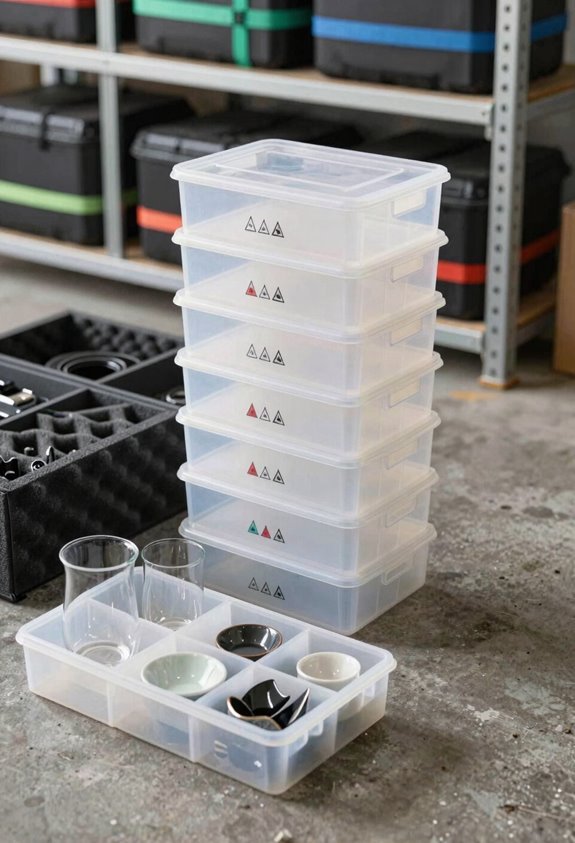
I rent pre-assembled plastic boxes that stack flat and lock tight. These rental boxes come from vendors like U-Haul Ready-To-Go Box and Stack Moves. Their delivery/pickup service brings stackable boxes to my door and collects them after moving day.
I use plastic moving boxes for fragile items with bubble wrap or paper padding. Their rigid walls protect dishes, glasses, and electronics better than cardboard. I pack heavy items like books, tools, and small appliances in these boxes without worry.
The weather-resistant design shields contents from rain and humidity. Reusable packing through rental boxes cuts waste compared to single-use cardboard. Their durability supports stacks four to five boxes high.
I book early since availability varies by location and inventory.
Repurpose Suitcases and Luggage You Already Own
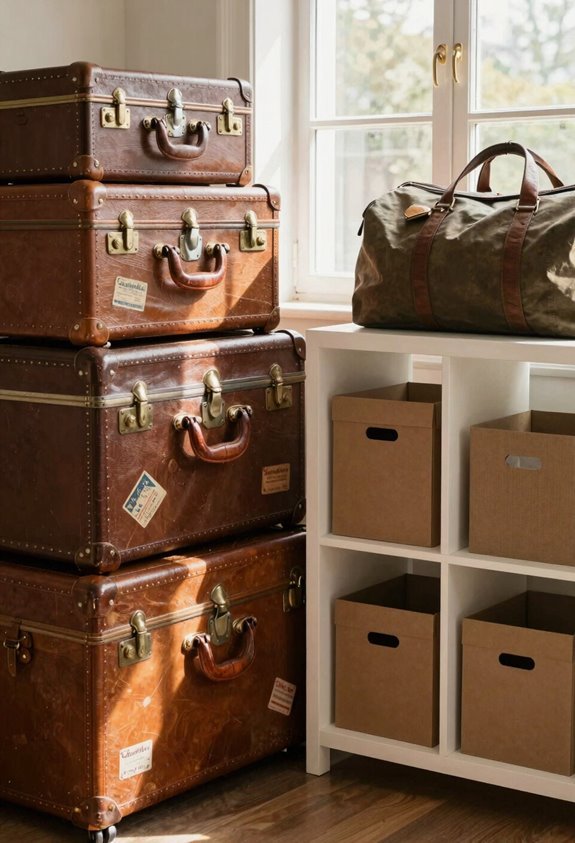
The suitcases and briefcases already in your closet cut moving costs and waste. I repurpose luggage as durable containers instead of buying moving boxes. Wheels roll heavy loads across floors. Hard shells protect electronics. Soft shells flex around odd shapes.
Pack Smarter, Not Harder
I use suitcases for clothes, books, shoes, and toiletries. Briefcases hold documents, cables, and essentials I need close at hand. This beats filling shipping bags that tear. Check weight limits. Repack if items feel too heavy.
Space optimization matters.
Ditch Expensive Packing Supplies
I skip extra storage bins and packing supplies I don’t need. My existing luggage works as well as marketed alternatives. No cardboard waste to recycle later. Load luggage last. Unpack it first. This approach saves money and simplifies the entire move.
Compress Bulky Soft Goods to Maximize Space
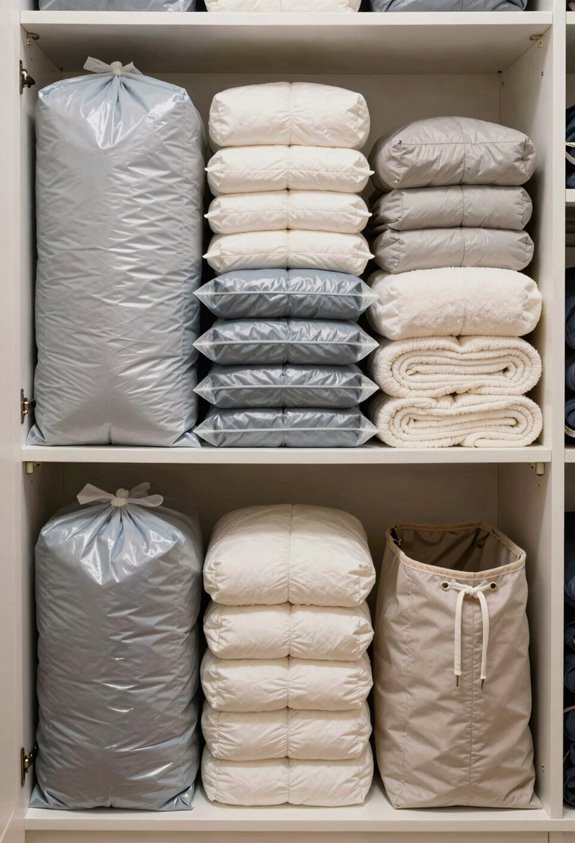
Where do all those pillows and comforters go? I’ve found vacuum bags solve this problem completely. They shrink bulky soft goods into flat, dense packages that free up irregular space in any moving setup.
Compress Bedding for Maximum Space
Vacuum bags reduce duvets, comforters, pillows, and bulky towels to compact bundles. This compression boosts packing density significantly.
I pack only dry bedding. Damp items risk mold. Delicate fabrics stay out.
Fill Gaps Strategically
Compressed bags slide into tight spaces between boxes and bins. I pair them with sturdy containers to maintain load stability during transport.
Protect Your Items
Check bags for holes before sealing. Store the vacuum hose nearby for last-minute compression. This method turns unwieldy bedding into manageable cargo without extra boxes.
Keep Essentials Close: Pack Your Backpack Smart
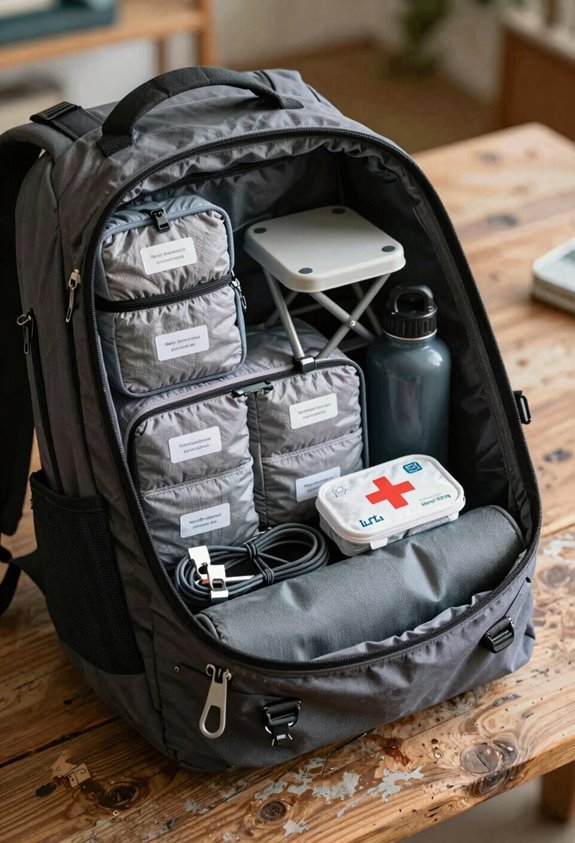
While vacuum bags handle bulky bedding, your most important items need a different approach. I’ve learned that backpacks keep my essentials within reach during transit, and packing smart changes everything.
Your Carry-On Command Center
Use backpacks for laptops, medications, chargers, and personal belongings. Keep important documents like passports, IDs, and insurance papers on your body, not in the truck.
Liquids Avoidance and Heavy Items Placement
Skip liquids and fragile items entirely. Place heavy items at the bottom to protect your back and maintain strap integrity.
Organization and Accessibility
Distribute weight evenly across compartments. Store valuables in sealed pouches for quick retrieval. Test zipper closure before departure.
Your backpack replaces anxiety with control. When belongings stay accessible, you belong anywhere.