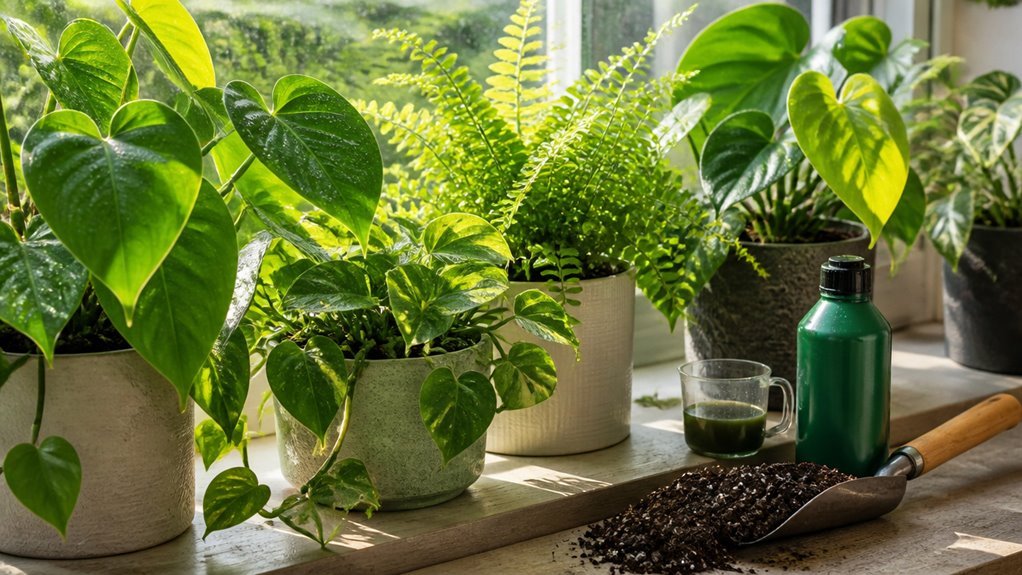
Manufacturers print monthly feeding instructions on every bottle. I ignore them. Most indoor plants need nutrients only during active growth, and your calendar cannot tell you when that starts. I’ll show you how to read your plant’s signals instead.
Fertilize Indoor Plants Only When You See New Growth
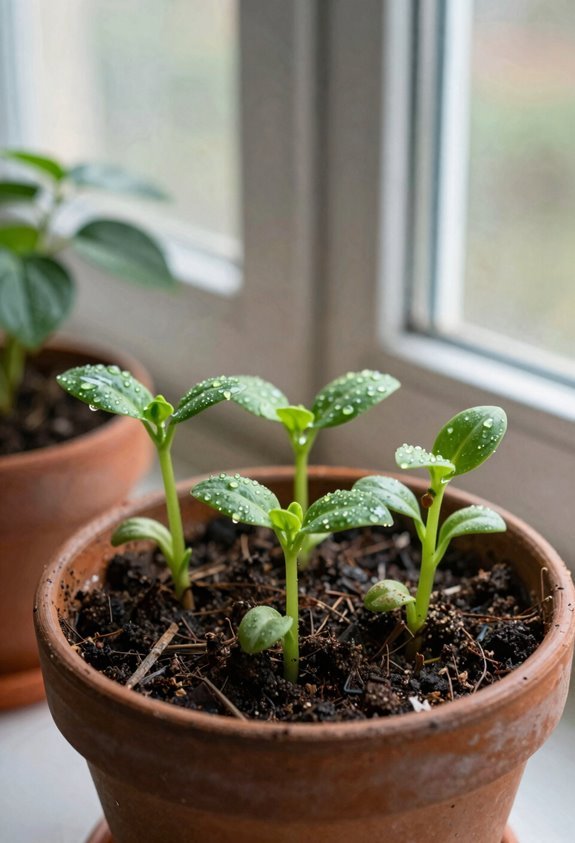
Indoor plants don’t need fertilizer on a schedule. I watch for new growth instead. New growth tells me my plant’s roots are ready to eat.
I don’t schedule fertilizer. I watch for new growth. That’s when roots are ready to eat.
When I spot fresh leaves or stems, I know active growth is happening. This matters most in spring and summer. Longer days wake plants up. Their metabolism speeds up. They need fuel for the work ahead.
If I don’t see new growth, I wait. Plain water suffices. The plant isn’t hungry. I don’t force feed. I don’t mark calendars. I check the stems. I check the soil line. Signals guide me. Growth resumes. Then I fertilize.
No hurry. No waste. Plant tells me when.
Why Winter Dormancy Means Don’t Fertilize Indoor Plants
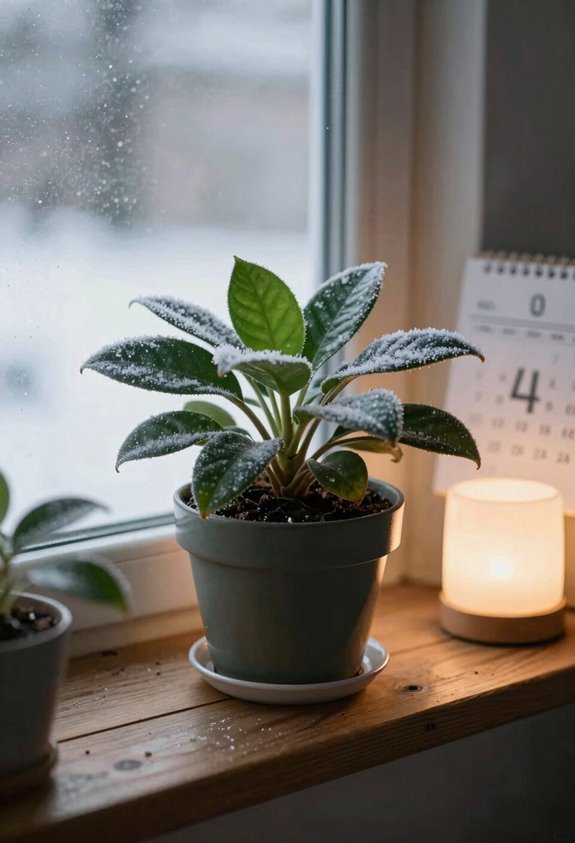
I’ll stop fertilizing when winter hits because growth halts completely and your plant can’t use the nutrients. You’ll see leaves slow down and stems stall, so don’t force food into a sleeping plant. Wait for signals like fresh shoots or new leaves before you pick up that fertilizer bottle again.
Growth Halts Completely
Growth typically halts completely when indoor plants enter winter dormancy. I stop fertilizing when I see this happen. My plants simply don’t need nutrients they cannot use.
| Season | Plant Response |
|---|---|
| Winter | Growth stops, rest begins |
| Spring | New shoots emerge |
| Summer | Active feeding resumes |
| Fall | Slowing prepares for dormancy |
During dormancy, my succulents and cacti take a complete break. Their roots absorb almost nothing. I waste fertilizer if I apply it now.
I watch for fresh leaves or stems instead. That growth tells me it’s time to restart. I don’t follow calendar dates. I follow what my plants show me. This keeps them healthy year after year.
Wait For Signals
Why push nutrients on plants that aren’t asking? I don’t. Winter dormancy means your indoor plants need rest, not food. Growth signals matter more than calendar dates.
I watch for seasonal timing. Spring brings longer days and fresh leaves. That’s my cue. New growth tells me roots are active and ready. I ignore the fertilizer until then.
I skip winter feeding completely. Salt builds up when plants can’t use it. Damage follows. I let soil rest. I wait for the plant to speak.
Check stems for buds. Look for unfolding leaves. Measure light hours. When growth resumes, I resume feeding. Match your actions to the plant’s cycle. Don’t force feed a sleeping system.
When Flowering Indoor Plants Break the Winter Rule
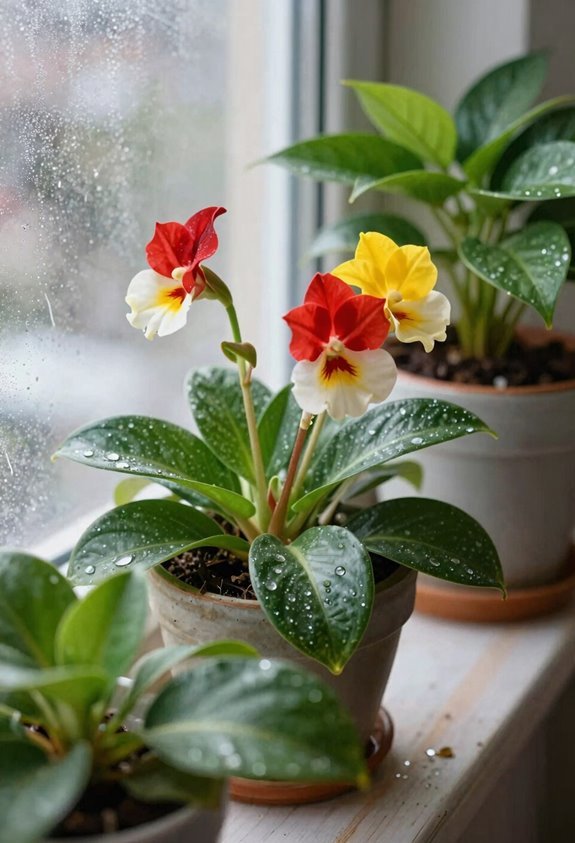
Winter bloom exceptions change how I feed flowering houseplants. I watch for new buds or fresh growth instead of marking the calendar. When I see these signals, I switch to half-strength bloom fertilizer and stop feeding if growth slows down.
Winter Bloom Exceptions
Some flowering houseplants keep working through the cold months. I don’t let my African violets or holiday cacti go hungry just because it’s December.
Watch for Signals
Flowering houseplants break the winter fertilization rule when they push new growth or form buds. I check my plants weekly. Active metabolism means they need fuel.
Adjust the Dose
I cut my regular fertilizer to half-strength. A balanced 10-10-10 liquid at ¼ teaspoon per gallon works for most bloomers. I follow label directions exactly.
Know the Exceptions
Cacti and succulents usually sleep through winter even when they flower. I skip winter fertilization for these unless I see clear growth signals.
Trust the Plant
I never force a schedule. My plants tell me what they need through their growth cues.
Nutrient Timing Adjustments
I adjust my approach when flowering plants break winter dormancy rules.
Some of my indoor bloomers keep pushing flowers through December and January. Winter fertilization isn’t off-limits for these rebels. I watch for growth signals instead of calendar dates.
New buds, fresh leaves, or active stems tell me they’re hungry. I check the fertilizer label and cut the dose by half. My African violets and holiday cacti get this modified treatment.
When blooms fade and growth stalls, I stop feeding. Nutrient buildup burns roots when plants sleep. I let dry soil, yellowing leaves, or paused development guide my hand.
Individual needs beat rigid seasonal schedules every time. My plants belong here because I read their signals, not the month.
Plant-Specific Needs
Why force dormancy on a plant that’s building buds? I don’t. My fertilization schedule bends for flowering indoor plants that push blooms through winter.
Phosphorus Priority
Peace lilies, African violets, and orchids need phosphorus-rich feeds. I grab fertilizers marked high-P. This supports flower development. Leaf growth takes a back seat.
Nitrogen Caution
Heavy nitrogen diverts energy to foliage. I skip high-N blends during budding. Blooms suffer otherwise.
Active Monitoring
I watch for dull leaves or slowing flowers. Then I lighten the dose. I don’t stop feeding entirely.
Plant-specific needs override rigid seasonal rules. When buds form, I adjust. My winter routine stays flexible. The plant dictates the timing. I follow its lead.
What Fertilizer Labels Actually Tell You About Timing
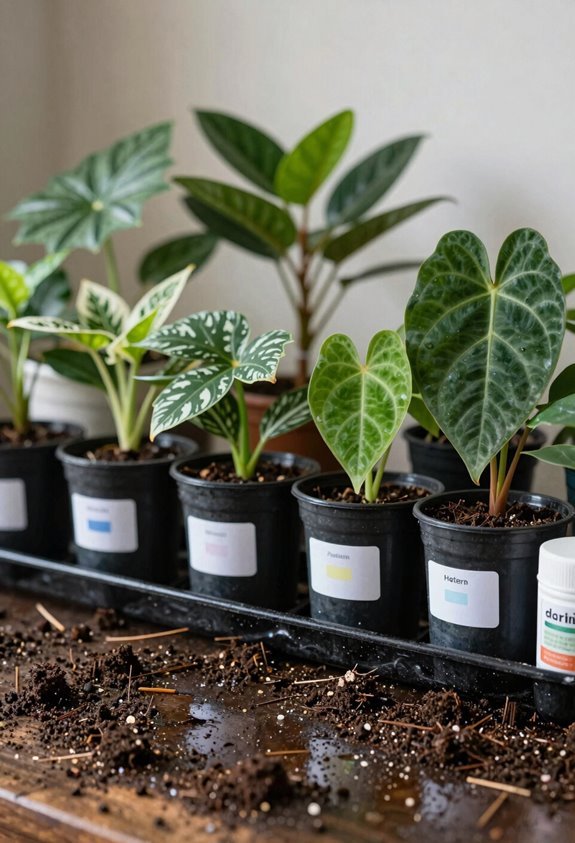
Look at the label first. Fertilizer labels spell out timing in plain terms. You’ll see phrases like “apply every 2 weeks” or “use every 3 to 4 months.” These instructions remove guesswork.
Labels also flag seasonal limits. Most direct you to feed in spring and summer. They tell you to stop in winter when plants rest. This protects your indoor garden from forced growth.
Product type matters too. Liquid formulas need frequent application. Slow-release granules work for months. Spikes release over set periods. The label matches each type to its schedule.
Specific plants get specific notes. Orchids, African violets, and cacti each carry their own instructions. Follow these for proper concentration and interval. The label keeps your feeding on track.
Dilute General Fertilizers to Protect Indoor Plant Roots
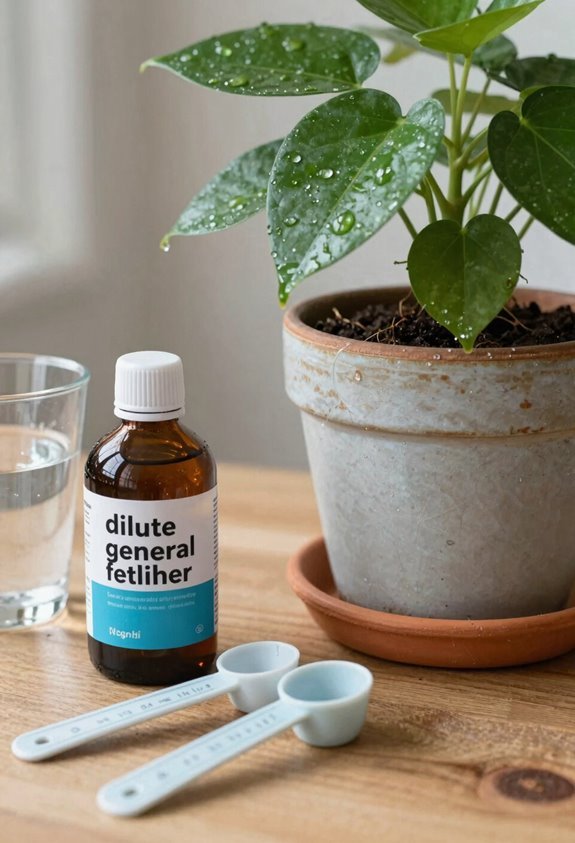
Indoor plant roots burn easily from concentrated fertilizer salts. I cut liquid fertilizers to half strength or quarter strength before every application.
I never pour full-strength solution onto dry soil, and I always water first so nutrients spread evenly without salt buildup.
Root Sensitivity Considerations
How much should you cut back that fertilizer? I always dilute general fertilizers to protect roots from salt burn. Sensitive species need extra care with fertilizer concentration.
- Measure Right: Use half-strength or quarter-strength liquid solutions. This lowers osmotic stress.
- Water First: Water soil before and after feeding. This spreads nutrients and flushes excess salts.
- Time It Correctly: Feed only during active growth. Skip winter dormancy to reduce root stress.
I follow label directions exactly. I adjust based on plant response and container size. Over-fertilization damages roots fast. Watch your plants closely. Drooping or browning means cut back more. We’re all learning to keep our indoor gardens doing well together. Simple steps prevent big problems.
Dilution Ratio Guidelines
Because concentrated fertilizer salts damage delicate root tissues, I always cut general-purpose products to half-strength or quarter-strength before applying. This dilution protects roots while still delivering nutrients.
Mixing Liquid Fertilizers
I combine liquid products with water at reduced strength before feeding. I follow label directions precisely since concentrations differ by formulation.
General-Purpose Products
I apply all-purpose fertilizers at half or quarter strength rather than full strength. This aligns with houseplant uptake rates.
Houseplant-Specific Formulas
When using indoor-plant fertilizer designed for houseplants, I adhere to the label’s recommended concentration. These products need no reduction.
Key Measure
I measure carefully. Half-strength means using half the label amount per gallon. Quarter-strength means one-quarter the amount.
Pick a Fertilizer Type That Fits Your Schedule
Choose a fertilizer that matches how often you’ll feed your plants.
Find Your Rhythm
We all want plants without the stress. Here’s how I match fertilizer to my life:
- Grab slow-release granules if you’re busy. I push pellets into soil and forget them for weeks.
- Pick liquid fertilizer for hands-on care. I dilute to half-strength and feed with every watering.
- Select spikes for vacation mode. I insert them and walk away for months.
I check my plant type too. My leafy friends need nitrogen-heavy mixes. My blooming plants crave phosphorus. I use 10-10-10 for steady growers.
Match the tool to your time and your plant’s needs. No guilt, no wilt, just growth that fits your routine.
Apply Fertilizer During Watering for Even Distribution
Why fight an extra step? I combine watering and fertilizer for one smooth routine. This method spreads nutrients evenly through the soil. Your plant roots absorb food uniformly without hot spots.
I always check that soil is moist first. Dry soil plus fertilizer burns roots fast. I mix liquid fertilizer into my watering can at half strength. Water-soluble types dissolve clean and move deep into the pot.
I pour slowly until liquid runs from drainage holes. This carries fertilizer to every root zone. I skip separate feeding days entirely. My plants get steady nutrition without stress. This approach fits busy schedules and keeps indoor gardens in good form with minimal effort.
Flush Salts Every Few Months When You Fertilize Indoor Plants
- Water thoroughly until drainage runs clear every few months
- Time it right when soil is dry and ready for normal watering
- Adjust frequency based on how often you feed; heavy fertilizer users need more flushing
I combine salt flushing with my regular watering routine. The soil gets fully moistened without extra work. After flushing, I resume feeding at half-strength for concentrated formulas.
My plants take up nutrients better when salts don’t block their roots. This simple step keeps our indoor garden doing well together.
Signs Your Indoor Plant Is Hungry for Nutrients
I watch my plants closely after each salt flush. Slow or stunted growth tells me my plant needs nutrients. Yellowing leaves starting at the bottom signal a deficiency. Dull foliage color means it’s time to feed.
I look for growth pauses or reduced vigor. These signs trigger my response. I align feeding with active growth periods. I don’t wait for a calendar date. I respond to what my plant shows me. Nutrient uptake improves when I feed during active growth. My plant belongs in my home when I meet its needs.
I check leaves weekly. I adjust my care based on signals. My plant does well when I pay attention. I feed when I see these signs.
Skip the Calendar and Watch Your Plant Instead
Skip the calendar. Watch your plant. Let growth guide you.
When exactly should you feed your indoor plants? I skip the calendar and watch my plant instead. Fixed dates fail us. Growth indicators tell the real story.
Learn the Signals
I check for active growth. New shoots mean feed. Dormant stems mean wait.
- Spot fresh growth. I look for new leaves or stems. These growth indicators show the plant is ready.
- Pause in winter. I stop feeding when growth slows. The plant cannot use nutrients then.
- Resume in spring. I start again when active growth returns. Timing follows the plant, not the month.
I align feeding with metabolic activity. Fertilizer goes in during active growth. I pull back when energy drops. My plants do well on this rhythm. We grow together.