
I’ve tracked what works for this condition. These ten methods use clear measurements and common gear. You’ll find fluid targets, compression specs, and bed angles.
Some steps surprised me. One involves an item from the hardware aisle. The full list starts now.
Confirm Your Symptoms Match POTS Before You Start
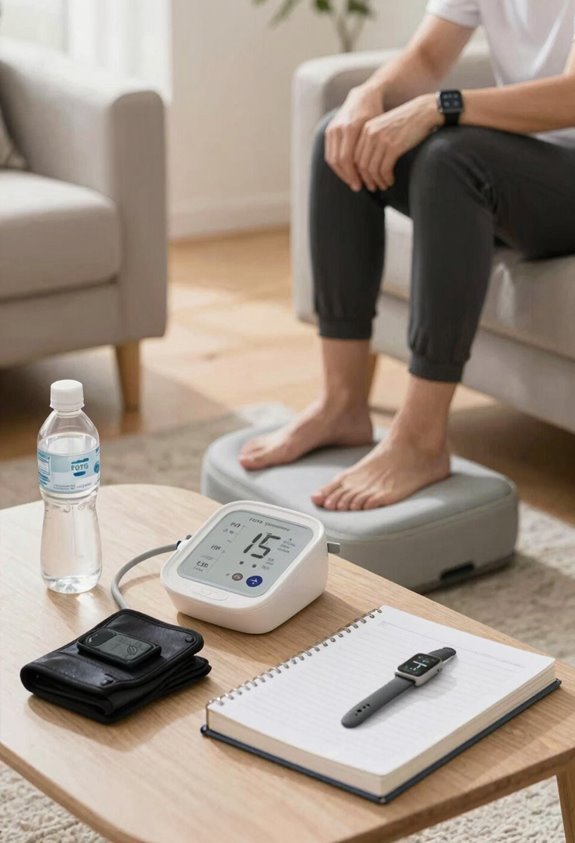
Before I pour effort into fixes, I check my foundation. I need a solid diagnosis first. POTS requires specific orthostatic vitals: my heart rate increase must hit 30 bpm within 10 minutes of standing. My blood pressure change matters too. Systolic drops cannot exceed 20 mm Hg.
Before fixing anything, I verify the foundation—diagnosis first, always.
Doctors use tilt table testing to measure these shifts. This test tracks my body’s response to position changes. It reveals orthostatic intolerance patterns.
My symptoms need a 3 to 6 month history for a valid diagnosis. No single lab test confirms POTS. Clinical judgment varies. I seek clinicians who understand these criteria.
Accurate diagnosis prevents wasted effort on wrong treatments. I verify my match to POTS standards. Then I build my management plan on confirmed ground.
Hydrate With Salty Fluids Every Morning

I start each day with 16 to 20 ounces of salty fluid within 30 minutes of waking. I aim for 3,000 to 10,000 mg of sodium daily from broth, tomato juice, electrolyte drinks, or salt tablets. I spread 2 to 3 liters of fluid across the day, and I change my salt intake if I feel nauseated.
Morning Fluid Protocol
Why start my day flat on my back? Because I built my morning protocol around hydration with salty fluids before my feet hit the floor. I tackle orthostatic POTS symptoms head-on by front-loading salt and electrolyte intake.
A half-liter bottle waits on my nightstand. Warm broth steams in a mug by my bed. Pink salt dissolves in water I prepared last night. My pulse slows as blood volume rises.
I prioritize electrolyte-rich options like tomato juice or pickle brine. I avoid guessing games with processed snacks. I measure my salt intake alongside fluids, tracking what stabilizes my standing heart rate.
Consistency matters more than volume alone. I don’t skip weekends. This baseline hydration supports my whole day, plain and simple.
Salt Intake Targets
Salt boosts my blood volume. I need more sodium intake than most people to keep my blood pressure steady and fight dizziness. Many people with POTS need up to three times the normal amount.
Morning Hydration
I start each day with salty fluids. Tomato juice, broth, or electrolyte drinks work well. Pickles and olives help too. This morning hydration shifts fluid and supports venous return.
Daily Targets
My sodium intake ranges from 3,000 mg to 10,000 mg daily. I adjust based on what I tolerate. My healthcare provider guides my exact target. Salt tablets are an option if food sources fall short.
Smart Choices
I skip low-nutrient processed foods when adding salt. I pair this plan with an abdominal binder and compression for better results. My blood volume stays up, and symptoms stay down.
Hydration Timing Tips
16 to 20 oz of liquid with sodium upon waking kickstarts my circulation.
I’ve learned hydration timing matters as much as fluid volume for managing my POTS. Morning fluids with salt and electrolytes restore what I lose overnight and build fluid volume before I stand. Proper sodium intake before my feet hit the floor improves venous return and steadies my blood pressure.
- A glass of salty tomato juice sits heavy in my hand, its cool weight promising stability.
- Steam rises from a mug of warm broth, the salt crystals long dissolved into liquid support.
- Electrolyte packets tear open with a crisp rip, dust swirling into water that glints in morning light.
- Pickle brine pools in a jar, sharp and clear, waiting to anchor my circulation.
I track my response and adjust my sodium intake with my care team.
Eat Small, Frequent Meals to Steady Your Blood Pressure
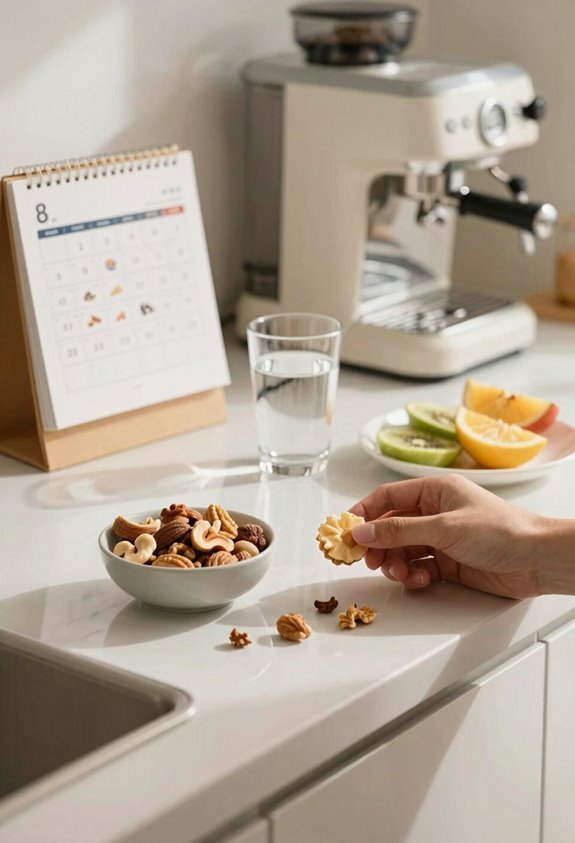
How do I keep my blood pressure steady through the day? I eat small meals five to six times daily. This prevents large blood flow shifts to my digestive tract, which reduces dizziness and post-meal blood pressure drops.
Stabilize Your Autonomic Response
Smaller meals stabilize my autonomic responses, supporting more consistent blood pressure and heart rate during daily activities. Spreading calories across the day minimizes sudden autonomic strain, improving energy levels and symptom consistency.
Support Circulating Blood Volume
I pair small meals with adequate fluids and salt intake. This supports circulating blood volume and reduces orthostatic POTS symptoms. I avoid large, high-carbohydrate meals. These lessen rapid blood flow changes and prevent post-prandial symptom flare-ups.
Stand Up Safely Using Breathing and Position Changes

I build my standing routine as I’d level a new shelf, slow, steady, and with the right supports in place. First, I lock in anti-gravity breathing techniques: I pull air deep into my belly for 4 counts, then exhale slower over 6 counts as I rise. Next, I run pre-stand muscle pumping: I squeeze my thighs and hips tight for 10 seconds, pump my ankles 15 times, then ease upright in stages.
Anti-Gravity Breathing Techniques
Stand up safely using breathing and position changes. Anti-gravity breathing forms my foundation, combining diaphragmatic breathing with controlled exhales to steady my autonomic nervous system and combat orthostatic intolerance. I’ll walk you through my essentials.
- Grounded Reset: I press my feet flat, feeling floor pressure anchor me before any posture transition begins.
- Belly Breath Build: I pull air deep into my abdomen, letting my diaphragm expand downward like a slow piston stroke.
- Pursed Release: I exhale through pursed lips, managing intrathoracic pressure to keep blood flowing upward.
- Counter-Movement Pair: I squeeze my hips or shallow squat, timing each motion with my breath cycle to boost venous return.
These tools keep me upright and steady.
Pre-Stand Muscle Pumping
Before I rise, I prime my legs like a pump kicking on. Pre-stand muscle pumping is my go-to move for standing up safely with orthostatic intolerance.
Hip and Thigh Squeeze
I contract my hip and thigh muscles, hold five seconds, then release. This drives blood toward my heart and brain. I repeat three times.
Calf and Ankle Pumps
I add foot and ankle pumps to boost venous return as I rise. Blood flows upward, not down to my feet.
Return to Thighs
I squeeze hips and thighs again between sets. This reinforces blood flow toward my upper body. Dizziness reduction starts here.
Slow Rise with Pause
I stand gradual. If lightheadedness hits, I pause. I resume once symptoms ease. Blood pressure stabilization follows.
Daily Routine
I use these pumps regularly. They counteract pooling, support steady heart rate, and build my confidence with position changes.
Pick Compression Gear for Your Daily Routine
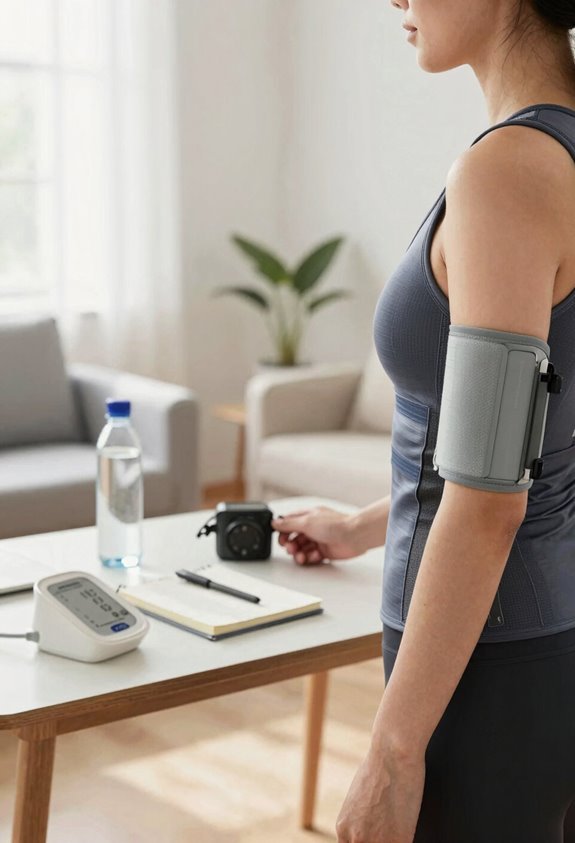
One straightforward upgrade for managing POTS is adding compression wear to your daily outfit. I’ll walk you through how compression garments support your body and build your confidence for daily activities.
Morning Leg Support, *Knee-high compression* socks or tights push blood from surface veins into deeper vessels. You feel steadier standing at the kitchen counter.
Core Stabilization, *Abdominal binders* paired with leg wear support *venous return* from your torso and legs together. You maintain energy through afternoon tasks.
Measured Pressure, Start with *graduated compression* at 20–30 mmHg. You adjust higher only with clinician guidance for your *orthostatic intolerance*.
Daily Movement Pairing, Short walks or seated leg raises with your gear keep circulation active. You reduce blood pooling without overexertion.
Build Exercise Tolerance Starting Flat on Your Back
I start my exercise progression flat on my back to rebuild stamina without triggering symptoms. I use reclined options like swimming, rowing, or recumbent cycling for 10-15 minutes at low intensity.
I gradually add upright time only when my heart rate stays stable and my lightheadedness stays gone.
Exercise Progression Strategy
When I started rebuilding my exercise tolerance, I lay flat on my back first. I chose recumbent aerobic work like swimming, rowing, and recumbent cycling. These let me recondition without triggering upright tachycardia.
My structured progression looked like this:
- Flat foundation, I stayed horizontal, building base fitness without fighting gravity
- Heart rate ceiling, I kept exertion around 8/10, watching my numbers closely
- Upright exposure, I added short vertical sessions, increasing duration bit by bit
- Recovery toolkit, I paired movement with cooling, hydration, and sodium intake
I scheduled sessions like home repairs: regular, incremental, no rushing. Recovery strategies supported blood volume. My upright exposure grew slowly. This method rebuilt my capacity without breaking my system.
Reclined Activity Options
Reclined Activity Options
Build Exercise Tolerance Starting Flat on Your Back
That same rule applies to rebuilding exercise tolerance. I start with supine conditioning to bypass orthostatic intolerance while my body adapts.
Reclined Exercise Choices
*Foundation work*
I pick recumbent cycling, swimming, or rowing. These keep me horizontal while my heart relearns its job. Each session stays low-impact activity, nothing above moderate effort.
Session Structure
*Measured building*
I begin with 10-15 minutes. I add time before intensity, lying flat if symptoms spike. Controlled breathing supports autonomic regulation throughout.
Tracking Progress
*Data-driven steps*
I use heart rate monitoring during and after. Numbers guide when I am ready to sit up, then stand. I never guess. I build the base first, brick by brick.
Gradual Upright Transition
I start every morning flat on my back. My orthostatic symptoms used to hit like a hammer. Now I use gradual progression to rebuild tolerance without crashing.
- Floor to Chair: I lie flat for ten minutes. I sit up slowly. I wait for dizziness to pass before I stand.
- Reclined Cardio First: I swim or use my recumbent bike. My heart rate stays steady. My blood pressure holds.
- Timed Upright Blocks: I add five minutes of upright time each week. I track every upright transition in my log.
- Breathe Through Changes: I exhale as I rise. I keep my blood pressure from spiking. I control the shift.
I measure my heart rate at each stage. I stop when numbers climb. I restart when they settle.
Track Your Triggers in a Simple Daily Log
Why guess what sets off your symptoms when a basic notebook does the heavy lifting? I keep a simple daily log to catch my POTS triggers before they catch me.
What to Record
Write down time of day, activities, fluid and salt intake, and symptom changes. Note skipped meals, poor sleep, alcohol, or heavy meals. Track medications, recent illness, and room temperature.
Vital Signs
Check heart rate and blood pressure lying down and after standing. These orthostatic numbers reveal patterns hidden in plain sight.
Build Your Profile
Review your entries weekly. Spot repeat offenders. Share findings with your care team. Adjust sodium, hydration, pacing, and compression based on your personal data.
This log becomes your blueprint. Small shifts add up. You are not alone in this.
Stay Cool When Heat Triggers POTS Symptoms
Heat makes blood pool in my legs. My heart rate spikes and dizziness follows fast. I manage heat by building cooling strategies into every day.
I wrap a cooling scarf around my neck and feel the chill spread through my chest. I carry a portable fan that pushes air across my flushed face. I press cold packs against my wrists and watch the temperature drop. I sip electrolyte drinks and picture hydration filling my vessels.
I skip hot showers and saunas. I choose lukewarm water and air-conditioned rooms instead. I layer my clothes so I strip off pieces when the temperature climbs. During exercise I wear cooling vests to block POTS symptoms. I plan ahead and stay in control.
Sleep Deeper With a Tilted Bed
When morning dizziness hits hard, elevating the head of the bed brings real relief. I raise mine 4 to 6 inches using wooden blocks or bed risers from hardware stores. This bed elevation creates gradual fluid redistribution overnight. More blood stays near my heart and brain. I stand with less orthostatic tachycardia.
A tilted bed improves my sleep quality beyond fluid shifts. I keep my room cool, dark, and clutter-free. I skip caffeine after noon. I sleep and wake at the same times daily. These habits support my autonomic system.
Safer transitions from lying to standing start before my feet touch the floor. Small changes build steadier mornings. We manage POTS better together.
Ask Your Doctor About Medication When You Plateau
I tried bed blocks and sleep habits first. When I stopped improving, I asked my doctor about POTS medications.
Fludrocortisone builds blood volume, like adding coolant to a radiator. Midodrine tightens blood vessels, the way caulk seals gaps around windows. Beta-blockers steady heart rate, similar to adjusting a thermostat. Pyridostigmine improves nerve signals, like upgrading old wiring.
There’s no FDA-approved drug for POTS, so off-label therapy fills the gap. My doctor and I track blood pressure and heart rate to find the right balance. Side effects happen, and we tweak doses or switch drugs accordingly. Healthcare provider follow-up keeps symptom management on track without piling on unnecessary pills.