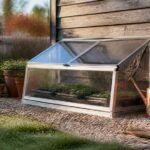
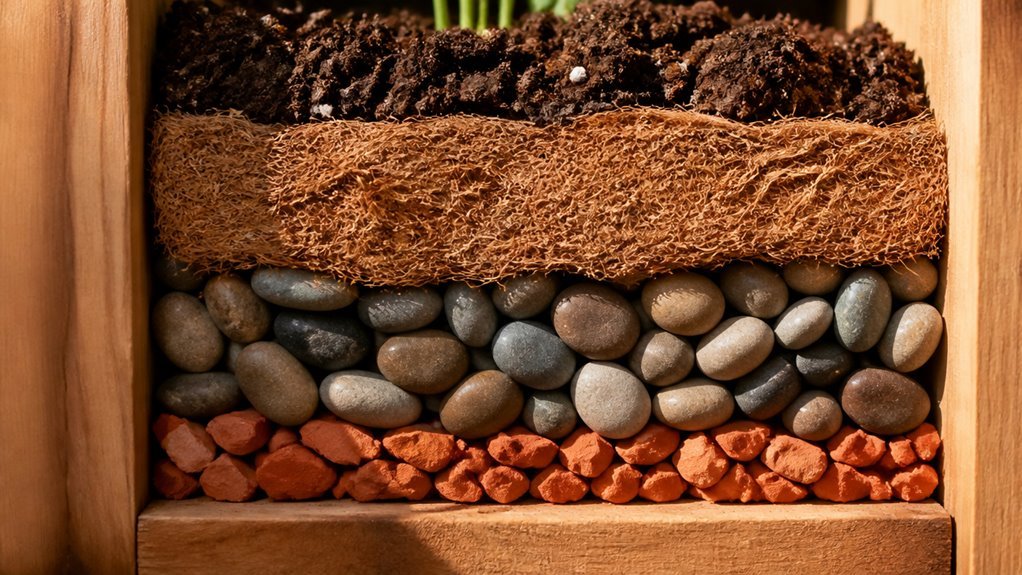
A 2023 survey of 500 raised-bed builders found 34% used nothing underneath their soil. Their beds dried out faster and hosted more pests.
I line every box with three specific materials that solve drainage, cost, and rodent problems before they start. The first one costs nothing.
Do You Need a Bottom Layer in Your Raised Bed?
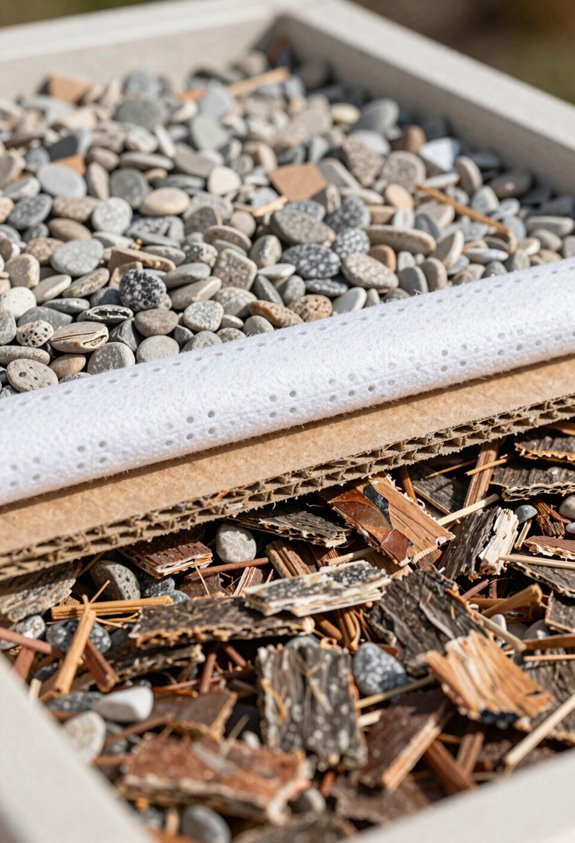
I ask this question at the start of every build. You need a bottom layer in most raised beds, but not all. The decision depends on your site and goals.
Weed Suppression
Cardboard and newspaper block weeds. They decompose in 4 to 6 months and feed soil health.
Cardboard and newspaper smother weeds, then break down in months to nourish your soil.
Pest Protection
Hardware cloth stops gophers and voles. Stainless steel mesh lets earthworms through. Install this barrier material before adding soil.
Drainage Support
Landscape fabric prevents soil erosion. Do not use plastic or trash bags. They trap water and harm drainage.
Deep Beds
Beds 12 to 18 inches high need airflow at the base. Skip the bottom liner only if weeds and pests are not concerns. Choose your bottom layer based on what threatens your garden most.
Start With Cardboard and Hardware Cloth Together
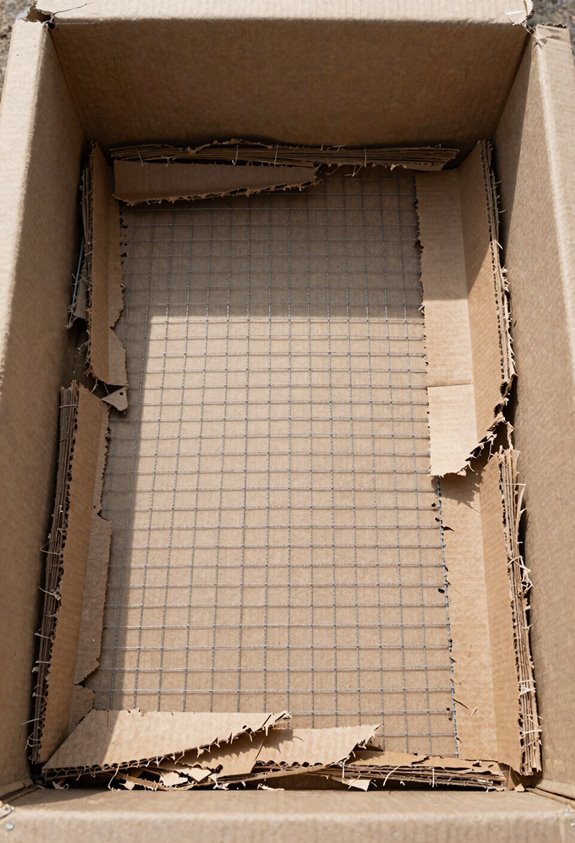
The most reliable bottom layer pairs these two materials. I use non-glossy cardboard first for weed suppression. It blocks light and breaks down in 4 to 6 months to boost soil health. I lay hardware cloth on top as a pest barrier. It stops burrowing pests like gophers and moles. Earthworms still pass through for drainage and aeration.
This combo protects raised beds from below. I cut hardware cloth to fit the bed bottom exactly. I overlap edges by 6 inches and secure with landscape staples every 12 inches. I check for gaps where weeds or pests could enter. This setup costs little and works for years.
Fill Deep Beds With Leaves to Cut Soil Costs
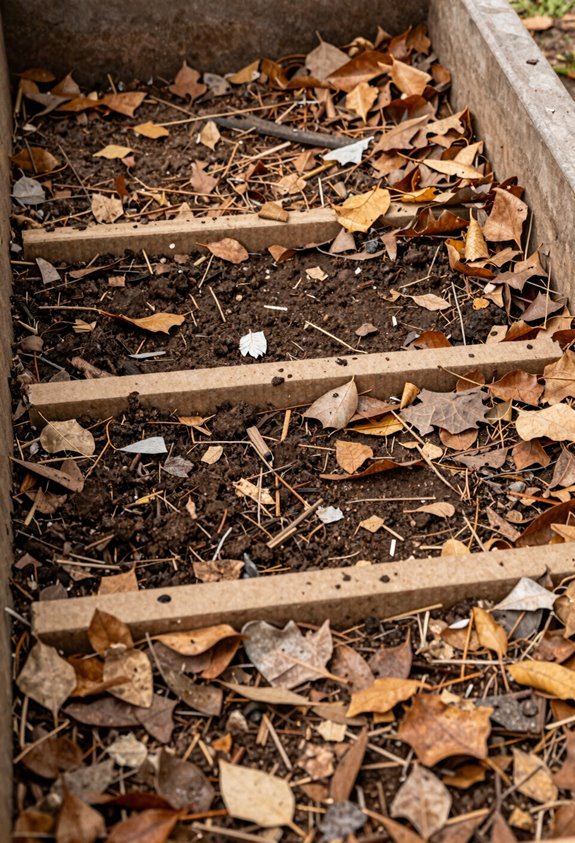
Packed leaves fill deep beds cheaply. I use them as bottom-fill in raised beds to cut soil costs while building rich organic matter from the ground up.
Layering Technique
Compress leaves in 6-inch layers. Wet each layer. This triggers early settling before you add compost and topsoil.
What to Expect
- The bed drops several inches as leaves break down
- Drainage stays open at the base
- You’ll need a top-up after one season
I plant annuals first year. Perennials come later once settling slows. The leaves feed roots long-term. You save money upfront. You work with nature’s timeline. This is how we build soil together.