
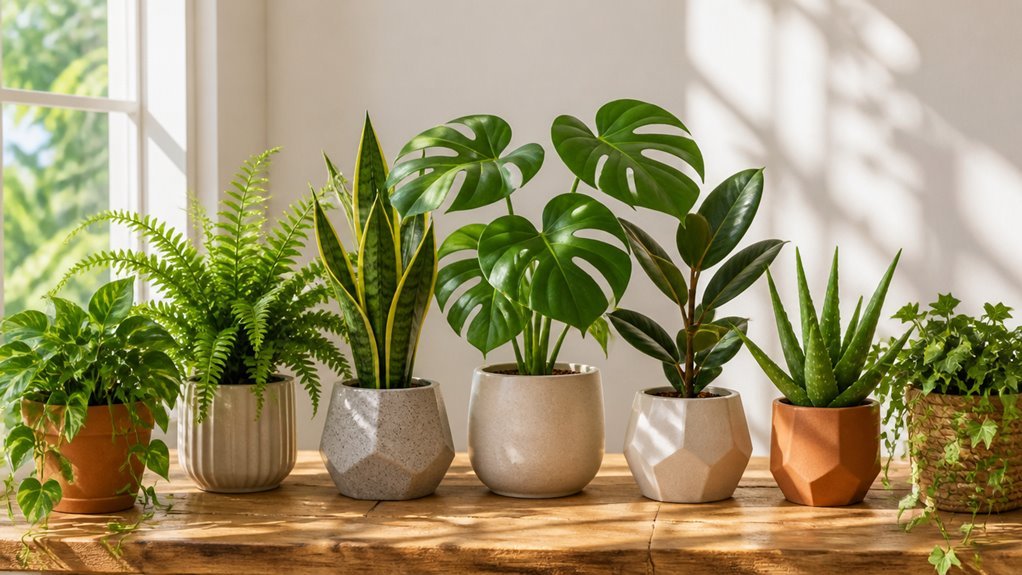
I use my phone camera and a ruler to start. I snap shots from above, the side, and inches from leaves and stems. I write down what I see.
Most plant owners skip the measuring step. That mistake costs them the right name. I will show you how to fix that.
Start With Clear Indoor Plant Photos From Every Angle
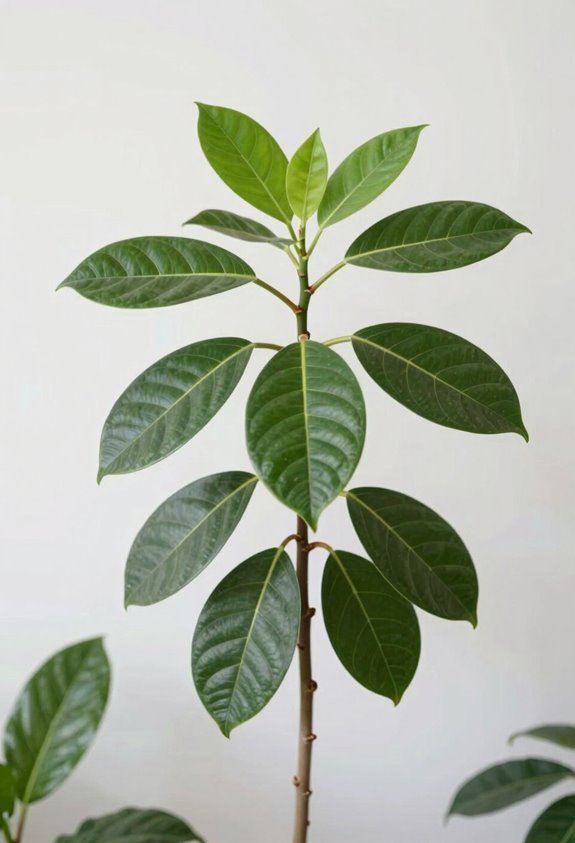
How do you identify a plant you can’t see clearly? You don’t. You take indoor plant photos that show everything.
Shoot from multiple angles
Top-down, side views, and straight-on shots. Each angle reveals different growth patterns.
Add scale reference
Drop a quarter or ruler in one frame. Size matters for identification.
Capture close-ups
Zoom in on leaf features. Document shape, edges, and vein patterns.
Include container/soil setup
Photograph the pot, drainage holes, and soil surface. Growing conditions narrow possibilities.
Show the full plant
Step back. Capture overall form and any damage.
Clear images build community knowledge. Share them with plant groups. You’ll get answers faster.
Document Leaves, Stems, and Other Key Features
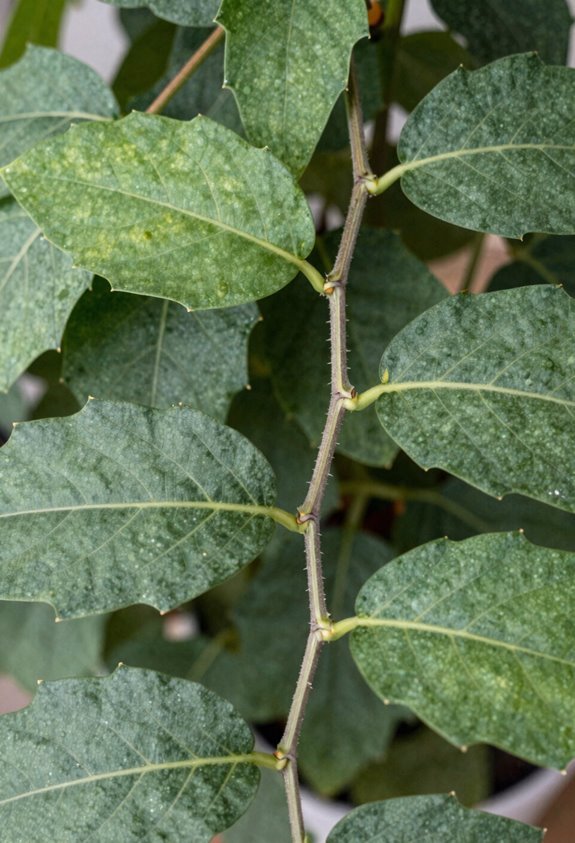
Once I’ve got my photos lined up, I move straight into the details. I grab a notebook and start recording what makes this plant unique. Here’s what I always check:
After lining up my photos, I dive straight into the details—notebook in hand, ready to capture what makes this plant unique.
- Leaf basics: I note leaf shape and leaf margin. I look at venation patterns and any variegation.
- Stem structure: I examine stem features like thickness, texture, and color. I check internode spacing.
- Growth form: I observe growth habit. Is it upright, trailing, or clumping?
- Reproduction signs: I watch for reproductive indicators such as flowers or seed pods.
I also record surface textures and special adaptations. These details connect me to other plant people. We share notes. We compare findings. We build knowledge together.
Read the Leaf Patterns, Texture, and Arrangement
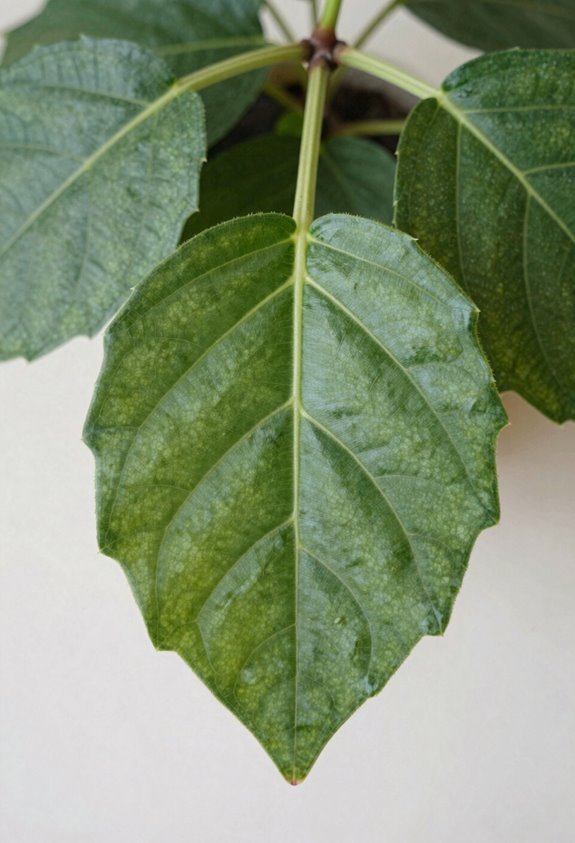
Where do I look first? I start with leaf patterns. I check the shape, margin, and venation. Arrowhead shapes point to Syngonium. Broad oval leaves signal Ficus elastica.
Next I examine leaf texture. I run my finger across the surface. Glossy leaves suggest Ficus elastica. Velvety or matte surfaces match Calathea.
Then I study leaf arrangement. I note how leaves attach to stems. Alternate spacing appears in Syngonium. Opposite or whorled patterns reveal other species.
I also spot variegation patterns. I look for streaks, spots, or mixed colors. These markings distinguish variegated Ficus elastica varieties from Aglaonema patches.
These identification cues build my knowledge. I combine venation details with growth habit observations. Each feature narrows my search. I feel confident joining fellow plant enthusiasts who read leaves like familiar friends.
Note Growth Habit and Mature Size Clues
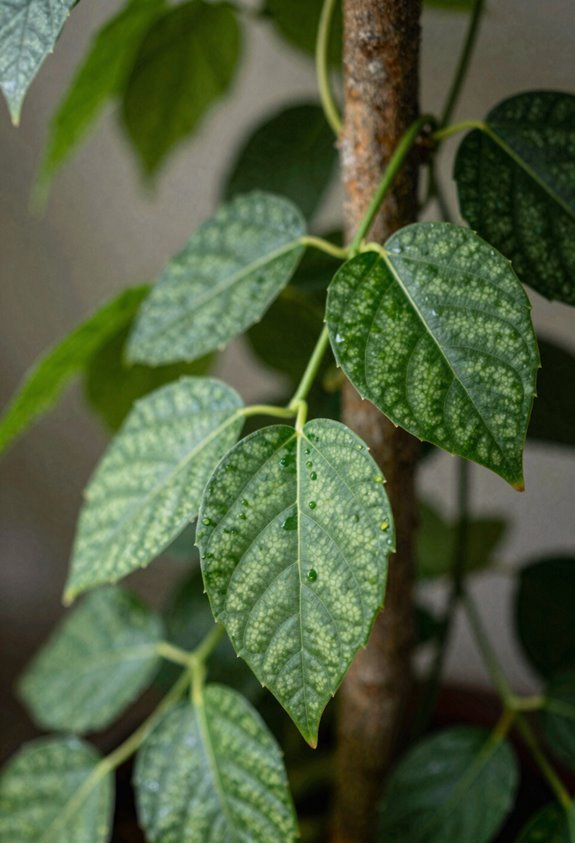
Why does growth habit matter? It separates look-alikes fast. A trailing vine and upright shrub share nothing in form. I use this to narrow my indoor plant identification quickly.
Growth Habit
*Visual form*
I check if the plant climbs, sprawls, or stands straight. This reveals its natural behavior.
Stem Structure
*Physical support*
I examine branching patterns and internode length. Short spaces mean compact growth. Long spaces mean leggy stretching.
Leaf Arrangement
*Attachment style*
I note opposite, alternate, or whorled placement. This pairs with growth habit to confirm species.
Mature Size
*Final dimensions*
I watch for pot size cues like root circling. Stable height over months signals mature size reached. This guides my repotting and placement decisions.
Match Your Indoor Plant to Reliable Databases
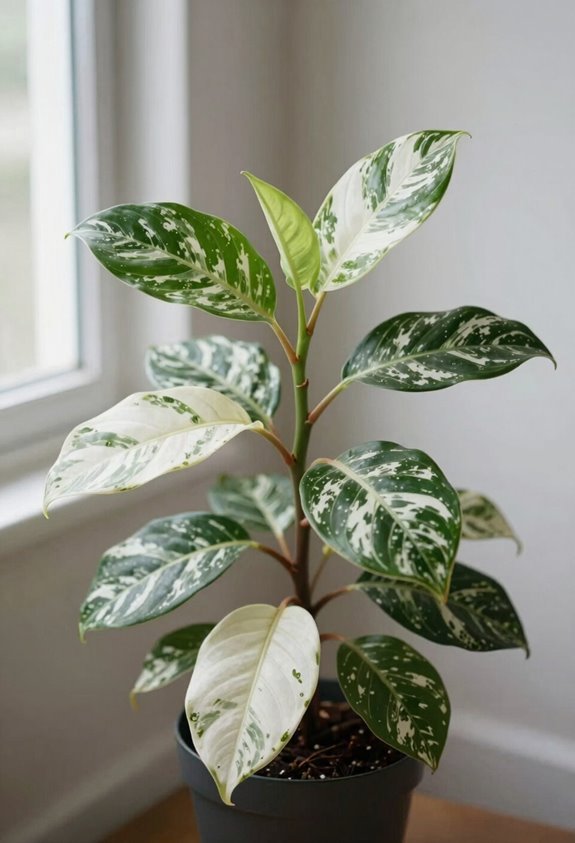
With growth habit clues in hand, I turn to databases that back up my field notes.
Compare Leaf Characteristics
I match leaf shape, color, and variegation against entries in reliable databases. I check multiple horticultural sites and university extension resources to confirm my plant identification.
Verify Names and Labels
I use pot labels as starting points. I cross-check common synonyms and cultivar names across databases to catch mislabeled plants.
Record Taxonomy Data
I note genus, species, and cultivar from trusted sources. This plant taxonomy foundation supports proper indoor plant care decisions.
Use Visual Diagnostics
I prioritize databases with curated images showing leaf venation and stem arrangement. These details separate look-alike species.
Seek Expert Verification
When databases leave doubt, I consult professional resources with expert-curated content. I confirm uncertain finds with local nurseries or plant taxonomists.
Double-Check Using Light and Water Needs
I categorize light levels using a simple shadow test. Crisp shadows mean direct light. Soft shadows signal indirect. Barely-there blurs indicate low light. This separates shade-tolerant indoor plant species from sun-lovers fast.
Shadows tell you everything: crisp for direct sun, soft for indirect, barely-there for low light.
Watering cues seal the identification. I check soil moisture with my finger. Wet soil plus yellow lower leaves spells overwatering. Dry soil with crispy brown edges means underwatered. These symptoms cross-check my light-based guess.
High light plants need 8+ hours daily. Succulents and cacti demand continuous sun. In winter I use full-spectrum LEDs for 12 hours to keep them growing well. Low light survivors like Peace Lilies tolerate far less.
I match these patterns to known species. Light preferences plus water habits narrow possibilities. Misidentification drops when I verify both needs together.
Confirm Your ID and Plan Next Care Steps
How do you lock in the right name? I match leaf shape, color, and growth habit to labeling on the pot or in trusted guides. I check leaf arrangement and vein patterns against reference photos. When tags are missing, I ask staff at specialty nurseries for help. This verification step prevents care mistakes down the line.
I build my care plan from confirmed facts. I note light needs, watering schedule, soil type, humidity, and temperature. I record location, exposure, and repotting dates. I cross-check multiple sources.
If my plant struggles, I reassess the ID. Solid labeling and documentation keep me in the loop with my fellow growers.