Most plant deaths happen at the root level where you cannot see the damage. Waterlogged soil breeds fungus and suffocates roots in as little as 48 hours.
I will show you five methods to lift your pots, improve drainage, and stop rot before it starts. The right height and material matter.
Elevate Pots to Stop Root Rot and Fungus
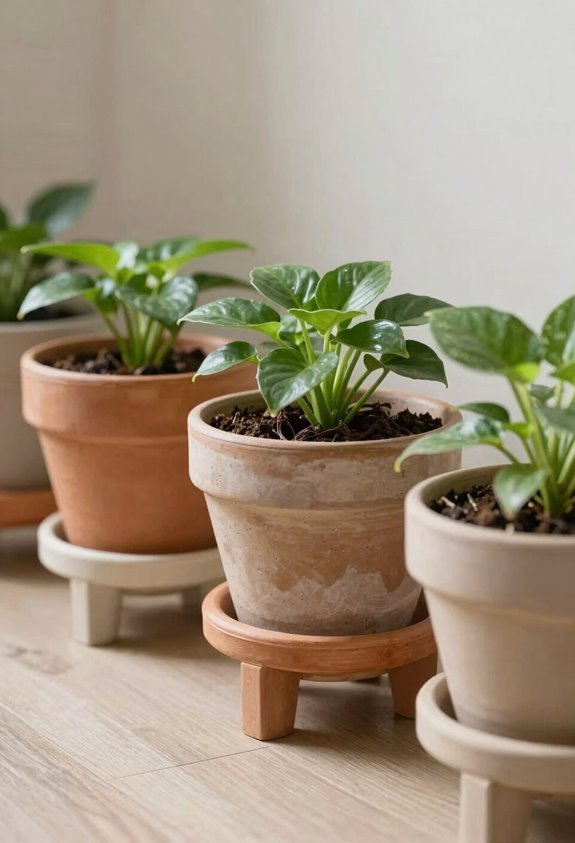
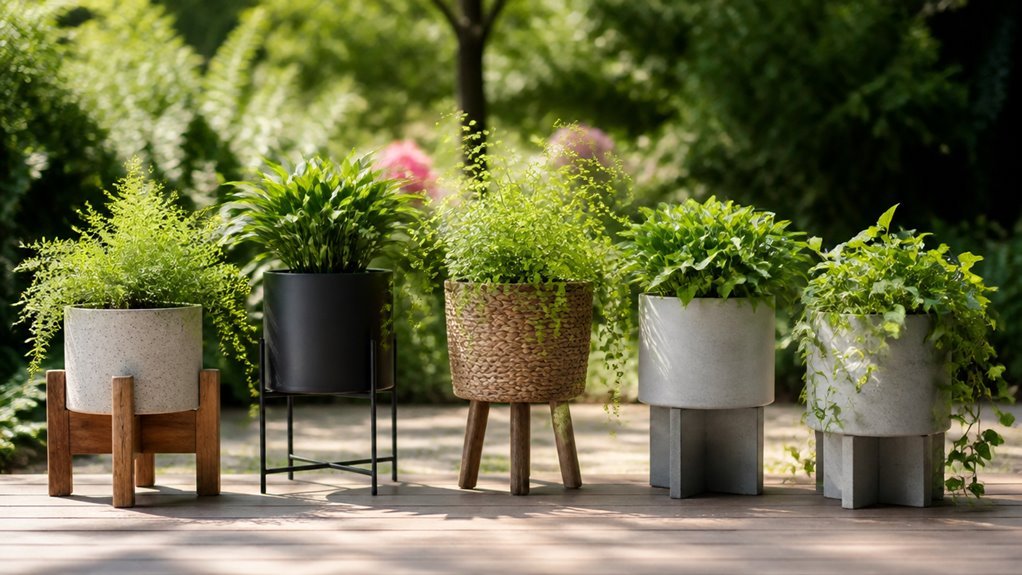
Why let your plants suffer when a simple lift solves the problem? I elevate my pots to create air gaps that improve drainage and stop soggy soil. This prevents root rot and fungal problems before they start.
I aim for two to three inches of clearance under each pot. I use risers, stands, or trays to keep water from pooling at the base. If a pot lacks drainage holes, I tip it carefully to remove excess water. I never let roots sit in standing moisture.
I place larger pots with drain holes on raised bases. I use pot feet, trivets, or trolleys to boost root aeration. I empty catch trays regularly and keep pot bases dry during wet weather. This minimizes fungal growth and keeps plants healthy.
Turn Household Items Into Quick Pot Risers
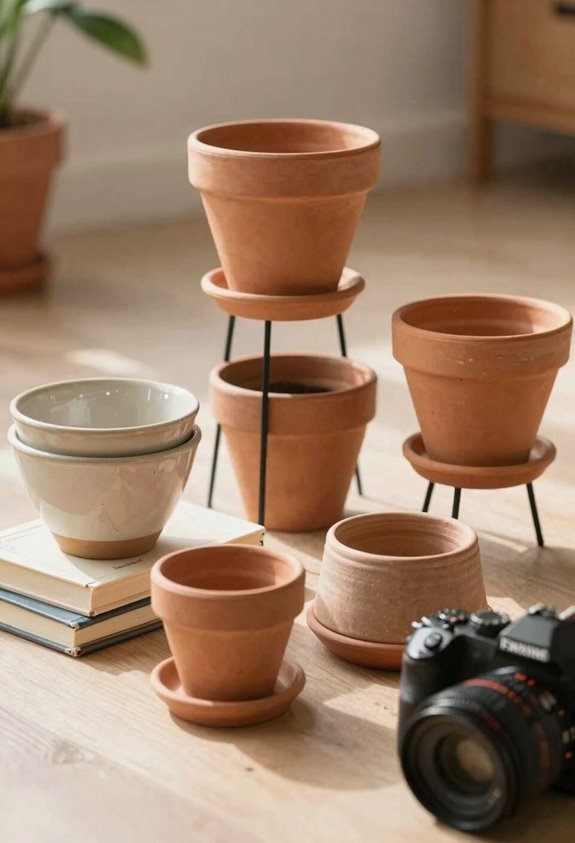
I grab items I already own to make quick risers. Inverted crocks and saucers lift small pots with zero cost. I flip them over and set the pot on top. Elevation starts immediately.
| Item | Best Use |
|---|---|
| Milk crate | Medium pots, 12-inch base |
| PVC ring | Corner support, 4-inch diameter |
| Trivet | Small pots, heat-safe |
Wooden stools and chairs become stable pedestals for bigger plants. I slide a pot onto a piano stool. Floor space stays open.
PVC plumbing rings work as cornered risers. I space one per corner for square pots. Three rings support round pots.
Trivets and patio tables with open patterns create air gaps. Water drains fast. Roots stay dry. Pests lose hiding spots.
I reuse what I have. Risers protect my plants without extra spending. Airflow improves. Rot stays away. Simple household objects solve the problem today.
Match the Riser to Heavy, Fragile, or Oversized Pots
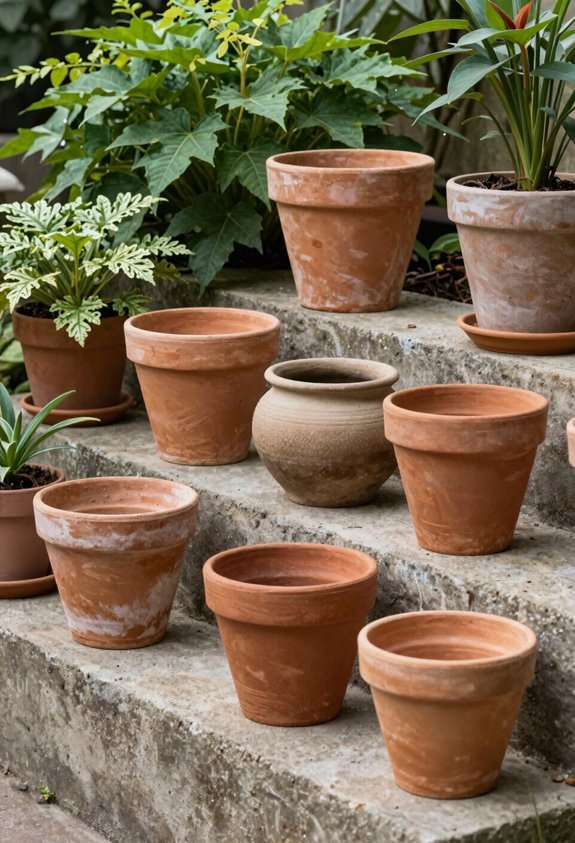
PVC rings take the guesswork out of supporting heavy planters.
Square and Rectangular Pots
Hardware store find: $17.85 for 28 PVC plumbing rings. Place one ring at each corner. This creates sheltered pedestals that improve drainage.
Round Pots
Space three rings evenly beneath the base. This forms a stable elevating stand for heavy pots.
Large or Heavy Pots
Set rings on a flat surface first. This distributes weight and eliminates wobble.
Oversized Pots
Stack rings or pair them with wider supports like a large dolly or bench legs. This prevents tipping and maintains balance.
Why It Works
PVC rings lift heavy or fragile planters just enough to promote drainage. They’re inexpensive and don’t crowd your floor space.
How High to Elevate Pots for Better Drainage?
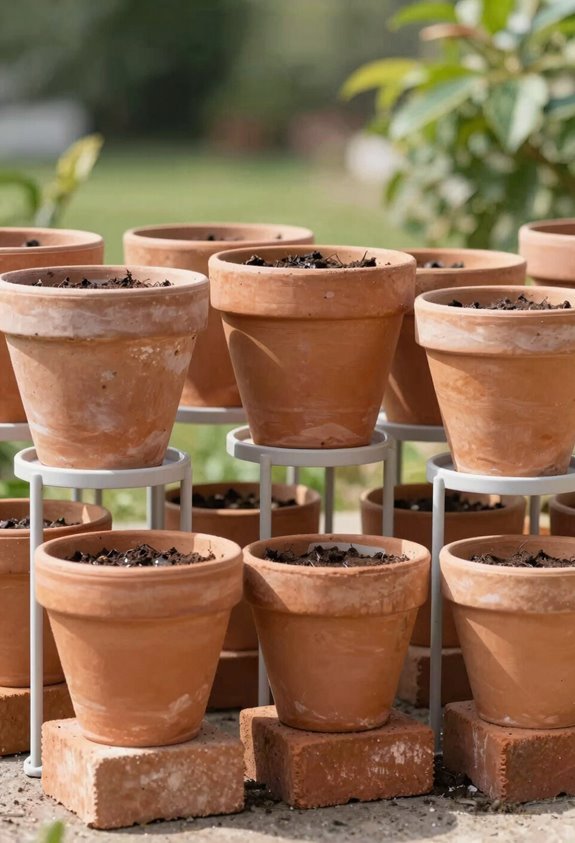
A few inches off the ground gets the job done. I aim for a gap of two to four inches between my pot and the surface. This space lets water escape and air flow underneath.
I use risers to create this clearance. Small risers work for lightweight pots. Sturdier risers handle heavier containers. Both types stop water from pooling at the base and improve drainage.
I place pots on pedestals, trivets, or wheeled platforms. These tools lift containers off wet patios and decks. For pots without holes, I tip them slightly after watering. This drains excess moisture.
Raised solutions like plant dollies add mobility. I roll plants to new spots without losing drainage benefits. The height stays consistent. The roots stay healthier.
Hide Risers Behind Taller Plants for Cleaner Displays
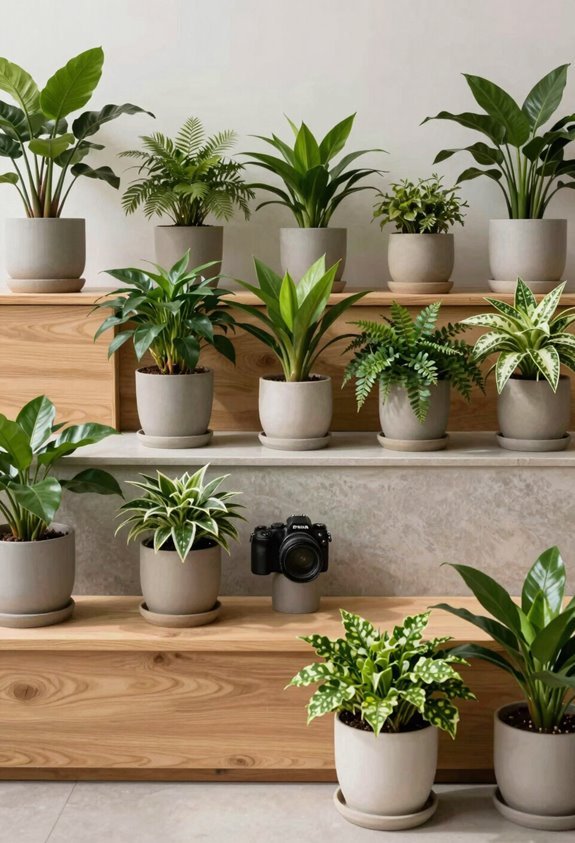
Arrangement matters as much as elevation. I place taller plants in back rows to hide risers and build a clean horizontal line. Flowering or leafy specimens mask the elevated base while keeping focal plants prominent.
Arrangement matters as much as elevation—taller plants in back rows hide risers, build clean lines, and keep focal plants prominent.
Layer Your Staging
Combine tall containers with shorter front plants to obscure supports and maintain seamless height.
Block the Sightlines
Position larger pots directly in front of taller risers to emphasize tidy layered displays.
Match Your Materials
Choose risers that echo your background plants’ color or texture for better camouflage.
This approach lets you join the community of growers who value polished presentation. Your staging looks intentional, not improvised. The mechanics disappear and the plants become the story.