Last spring, my neighbor’s entire order of tomato seedlings arrived as frozen mush because she’d picked a nursery that shipped zone-9 plants to Maine in March. That’s the mail-order gamble in a nutshell: you’re buying living things you can’t inspect, from people you’ve never met, and hoping the chain of custody doesn’t break somewhere between their greenhouse and your porch.
But here’s the thing: it doesn’t have to be a coin toss. The best nurseries for 2026 have figured out how to stack the deck in your favor, and I’ve mapped exactly which ones are worth your trust.
| Mail Order Surprise | Not a Nursery | Product Format: Audible Audiobook | Brand/Platform: Audible | Content Edition: Unabridged | VIEW LATEST PRICE | Read My Analysis | |
| Start a Home-Based Plant Nursery for Profit | Best for Beginners | Product Format: Audible Audiobook | Brand/Platform: Audible | Content Edition: Unabridged | VIEW LATEST PRICE | Read My Analysis | |
| Start a Home-Based Plant Nursery for Profit | Runner-Up Pick | Product Format: Audible Audiobook | Brand/Platform: Audible | Content Edition: Unabridged | VIEW LATEST PRICE | Read My Analysis | |
| The National Nursery Book With 120 illustrations | Best Visual Reference | Product Format: Kindle eBook | Brand/Platform: Amazon Kindle | Content Edition: Kindle Edition | VIEW LATEST PRICE | Read My Analysis |
More Details on Our Top Picks
Mail Order Surprise
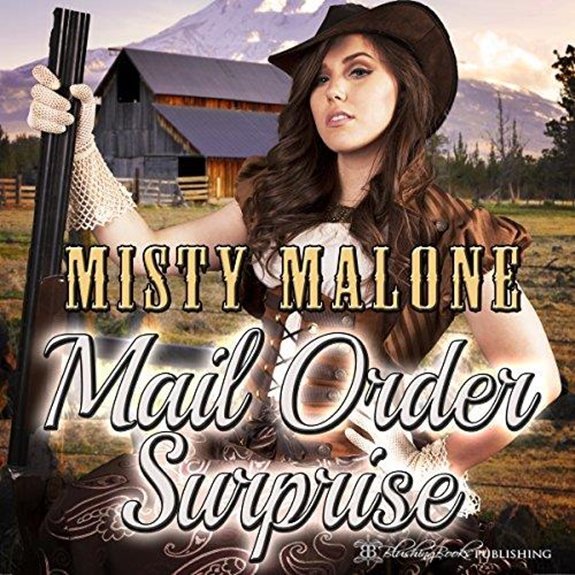
Looking for something completely unexpected? I’ve stumbled across a curious entry in the mail order world, and it’s not what you’d think. “Mail Order Surprise” isn’t a nursery at all, it’s an Audible audiobook from Blushing Books Publishing, released back in October 2016.
Now, I know what you’re thinking: why’s this in a nursery roundup? Here’s my theory. Sometimes you need a break from soil pH and hardiness zones.
This unabridged digital format streams anywhere, which means you can dig into fiction while literally digging in dirt.
The format’s straightforward:
- Audible’s platform, so it plays on your phone, tablet, or those wireless earbuds you bought and immediately lost one of
- No physical binding to muddy or sun-bleach
- Publisher specializes in, well, surprises
I won’t pretend I’ve gardened alongside this title. But I appreciate the category confusion. Mail order means different things to different people, and occasionally that means escapism delivered digitally rather than dahlias delivered dormant.
- Product Format:Audible Audiobook
- Brand/Platform:Audible
- Content Edition:Unabridged
- Product Category:Audiobook
- Nursery Focus:Mail order bride romance
- Publisher Type:Blushing Books Publishing
- Additional Feature:Fiction narrative format
- Additional Feature:Blushing Books imprint
- Additional Feature:2016 vintage release
Start a Home-Based Plant Nursery for Profit
- Propagation basics – rooting cuttings, seed starting, and division timing
- Space efficiency – stacking benches, utilizing vertical growing, and micro-climate management
- Sales channels – farmers markets, online listings, and yes, mail order fulfillment
Published by Florida Food Forests back in 2019, this unabridged Audible release runs about 4 hours. The narrator walks through seasonal cash flow patterns, which plants command premium prices, and how to scale from hobby to side hustle without overwhelming your weekends.
And the best part? You don’t need acres. A 20×30 foot plot can generate serious supplemental income with the right crop selection. Think figs, blueberries, native perennials, and specialty herbs that big box stores simply don’t stock well.
The production quality’s solid, though the pacing occasionally drags during tax discussion sections. Skip those if you’re impatient. But don’t skip the chapter on wholesale relationships. That’s where the real money hides.
- Product Format:Audible Audiobook
- Brand/Platform:Audible
- Content Edition:Unabridged
- Product Category:Audiobook
- Nursery Focus:Home-based plant nursery business
- Publisher Type:Florida Food Forests, Inc.
- Additional Feature:Spare time income
- Additional Feature:Practical startup guidance
- Additional Feature:2019 instructional content
Start a Home-Based Plant Nursery for Profit
You want guidance that sticks, and I get that. Starting a home-based plant nursery isn’t some far-off dream, it’s practical income you build in spare hours.
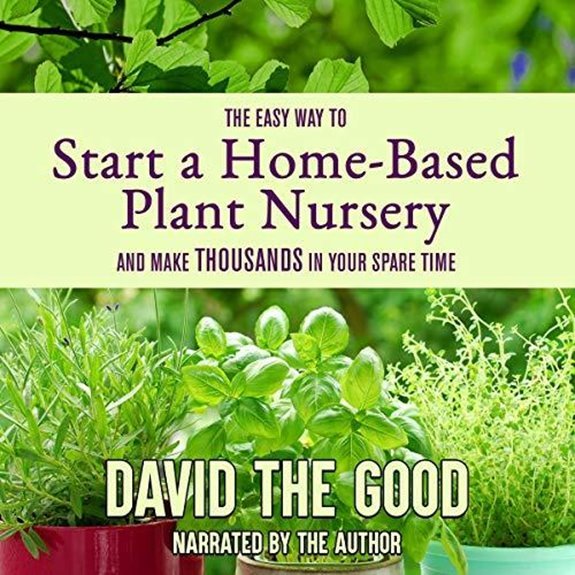
I recommend “The Easy Way to Start a Home-Based Plant Nursery and Make Thousands in Your Spare Time,” an unabridged Audible audiobook from Florida Food Forests, Inc. Published in 2019, it cuts through the noise with actionable steps for small-scale operations.
Here’s what you’ll gain:
- Flexible scheduling that fits around your day job
- Scalable growth, start small, expand as demand builds
The format works for busy lives. Listen during commutes, absorb strategies, then execute on weekends. No fluff, just propagation techniques, space optimization, and profit calculations.
And the “thousands” claim? It’s achievable because you’re leveraging existing space, minimizing overhead, and targeting local markets hungry for healthy plants.
The audiobook’s strength is its realism. It doesn’t promise overnight riches. Instead, it maps a sustainable side hustle you control.
Ready to turn your green thumb into greenbacks?
- Product Format:Audible Audiobook
- Brand/Platform:Audible
- Content Edition:Unabridged
- Product Category:Audiobook
- Nursery Focus:Home-based plant nursery business
- Publisher Type:Florida Food Forests, Inc.
- Additional Feature:Spare time income
- Additional Feature:Practical startup guidance
- Additional Feature:2019 instructional content
The National Nursery Book With 120 illustrations
Published in 2012 as a Kindle eBook, this 56-page digital guide packs serious value for anyone building their horticultural library without the shelf space.
I’ve found that reference materials either overwhelm you with jargon or leave you hunting for visuals. This one strikes a practical balance.
Those 120 illustrations aren’t decorative filler. They’re diagnostic tools, showing you what healthy root systems look like versus trouble, or how to identify pest damage before it spreads.
And here’s the convenience factor: instant delivery means you’re not waiting two weeks while your seedlings struggle. You pull it up on your phone in the greenhouse, check a propagation technique, and get back to work.
The 2012 publication date means some cultivar names may have shifted, but fundamental practices don’t expire. Grafting methods, soil composition ratios, and hardiness zone principles hold steady.
At 56 pages, it respects your time. No padding, no 300-page commitment. Just targeted information you can actually finish before the season changes.
For digital-only gardeners, it’s worth adding to your collection.
- Product Format:Kindle eBook
- Brand/Platform:Amazon Kindle
- Content Edition:Kindle Edition
- Product Category:eBook
- Nursery Focus:Illustrated nursery reference book
- Publisher Type:Unknown/Not specified
- Additional Feature:120 visual illustrations
- Additional Feature:56 pages concise
- Additional Feature:2012 educational reference
Factors to Consider When Choosing Mail Order Nurseries
I’ve learned that choosing the right mail order nursery means looking past glossy catalogs and checking the fine print on things that actually matter. And I’m talking about plant quality standards, shipping methods used, nursery reputation history, plant size guarantees, and return policy terms. Let me walk you through why each of these five factors can make or break your gardening experience before you spend a single dollar.
Plant Quality Standards
I want hard proof they’re shipping exactly what they advertise. That means verified species, healthy plants, and ironclad pest-free guarantees before anything leaves the greenhouse.
Clear labeling matters immensely. I check that cultivar names, actual size measurements, and growth stage all match what I’m paying for. No surprises, no “surprise, it’s smaller than your thumb!”
And I’m picky about stock origins. Quarantine-free certification plus documented propagation history isn’t bureaucratic fluff, it’s your insurance against importing someone else’s disease problems.
Packaging requirements should lock in root moisture and protect every leaf. But here’s my favorite metric: survival rates after a 30-day acclimation period. Numbers don’t fib about whether plants actually thrive post-unboxing.
Shipping Methods Used
When does a plant in a box become a plant in crisis? When it’s stuck in transit too long without protection.
I’ve learned that shipping methods make or break your mail order success. Here’s what actually matters:
- Standard vs. expedited: Ground shipping works for seeds and dormant plants, but live perennials need 2-day or overnight service, especially in summer heat.
- Carrier choice: UPS and FedEx dominate this space, and good nurseries pad boxes extensively and include moisture-control materials to keep roots happy.
- Regional zones: The smartest nurseries limit how far they’ll ship certain plants, cutting transit time to improve survival rates.
- What’s inside the box: Proper labeling and care instructions aren’t extras, they’re essentials that help you transition plants from box to soil without shock.
And don’t forget, shipping times vary by season. Spring orders often move faster than mid-summer shipments when carriers are swamped.
Nursery Reputation History
How do you separate a nursery that’s built to last from one that’s just good at marketing? I dig into reputation history, plain and simple.
Long-standing operations tell me a business has survived seasons of challenges, not just one good spring. I look for:
- Transparent sourcing practices
- Clear, consistent communication
- Prompt fulfillment records
And here’s what seals it for me: responsive service when things go sideways. Anyone can ship plants; fixing problems gracefully? That’s rare.
Documented feedback patterns matter too. When I see repeated praise for healthy stock across multiple years, I pay attention. Established nurseries usually show fair pricing and accurate descriptions, no bait-and-switch games.
Bottom line: reputation isn’t built overnight, and it can’t be faked with slick ads. I trust the track record.
Plant Size Guarantees
Once I’ve got a handle on a nursery’s reputation, I turn my attention to what they’re actually promising to send me. Plant size guarantees matter more than you’d think, especially when you’re planning a container garden or filling a specific border spot.
I always check what’s actually guaranteed:
- Minimum height or mature size within a set timeframe (often 1–2 growing seasons)
- Variance ranges if the plant arrives smaller than expected
- Substitution options when stock doesn’t match specs
But read the fine print! Guarantees typically hinge on your end of the bargain: proper light, consistent watering, and appropriate temperatures.
And watch for exclusions, seasonal items, delayed shipments, or mislabeled varieties often void those promises. The best nurseries include clear care guides that spell out these conditions, so you know exactly where you stand before you plant.
Return Policy Terms
Why do return policies deserve your attention before you click “buy”? Because plants aren’t sweaters, and nurseries know it.
Most return policies give you a narrow window, sometimes just days, to report problems. You’ll want to check whether you’ll get cash back, store credit, or an exchange, and whether they’ll accept opened seed packets or only dead-on-arrival plants.
Many require original packaging, tags intact, and a parade of documentation: order numbers, photos, tracking info. Watch for restocking fees and return shipping costs that nibble away at your refund.
I always look for these specifics:
- Time limits for claims
- What condition items must be in
- Required documentation
- Who pays return shipping
- Whether live plants carry survival guarantees
A generous policy signals confidence. A restrictive one? Proceed with caution!
Growing Zone Compatibility
Where exactly will your new plants wake up after their cross-country journey? Growing zone compatibility is the map you need, and I won’t let you skip it.
I always check three things before ordering:
- USDA hardiness zone match, that 5b or 8a designation isn’t decorative: it’s survival data
- Zone-specific shipping windows, smart nurseries hold your order until weather cooperates
- Propagule origin details, a southern-grown hydrangea sulks in Vermont, no matter how you coddle it
And here’s the kicker: mortality and returns spike when zones clash. I scrutinize catalogs for zone ranges listed right alongside sun, soil, and moisture needs. Skip this step, and you’re essentially gambling with photosynthetic lives.
The best mail-order nurseries make this frictionless. The rest? Let them ship to someone else’s garden.
Order Timing Considerations
Every spring, I watch gardeners panic-order tomato seedlings in March, then wonder why their plants arrive leggy and stressed two weeks late. Timing isn’t everything in mail order nurseries, but it’s close.
Here’s what I’ve learned about getting your plants when you need them:
- Beat the rush. Order six to eight weeks before your last frost date. Peak demand crushes fulfillment systems, and your “guaranteed” delivery window stretches like old garden hose.
- Mind the calendar. Avoid holiday weekends. Shipping bottlenecks multiply, and your bare-root roses sit in a warehouse for four days.
- Check supplier cut-offs. Some nurseries stop taking orders by mid-April. Others: They’ll ship into June, but selection gets thin.
- Watch your zone. Southern gardeners ordering in February, northerners waiting until May. Match your timing to your growing season, not your spring fever.