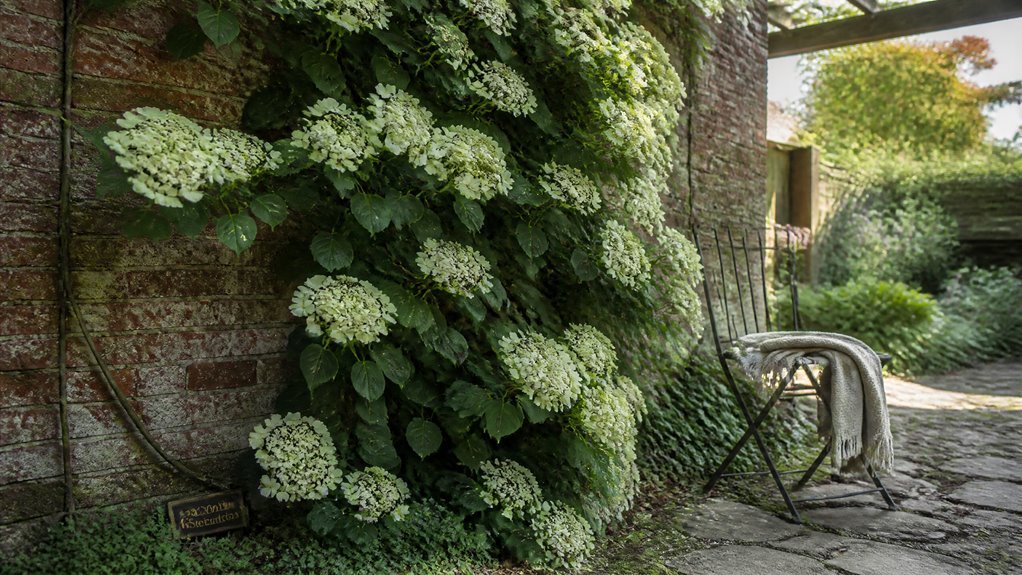
Majesty meets modesty when you consider climbing hydrangeas: these wall-scaling giants ask for little but give back so much. I’ve tracked what’s coming for 2026, and the field is crowded with options that promise to transform bare brick or weathered fences into living tapestries.
You have self-clingers that grip without trellises, vigorous hybrids hitting 50 feet, and seed varieties for patient gardeners who think in decades. But not every vine suits every surface, and choosing wrong means years of wrestling with a plant that’s either too tame or too wild. Here’s what actually matters, and which ten varieties deserve your attention this year.
| Brighter Blooms – Climbing Hydrangea 1 Quart – No Shipping to AK AZ HI | Best for Beginners | Flower Color: White | Growth Habit: Climbing vine | Light Requirements: Not specified | VIEW LATEST PRICE | Read My Analysis | |
| Hydrangea ‘Mirranda’ Climbing Vine (4″ Pot) | Best Variegated Foliage | Flower Color: White | Growth Habit: Self-clinging vine | Light Requirements: Shade | VIEW LATEST PRICE | Read My Analysis | |
| Variegated Climbing Hydrangea Vine ‘Early Light’ Live Plant | Best Early Season Color | Flower Color: White | Growth Habit: Self-clinging vine | Light Requirements: Not specified | VIEW LATEST PRICE | Read My Analysis | |
| Climbing Hydrangea Vine Seeds (50 Count) | Best Budget Option | Flower Color: White | Growth Habit: Climbing vine/ground cover | Light Requirements: Shade to partial shade | VIEW LATEST PRICE | Read My Analysis | |
| Proven Winners Rose Sensation False Hydrangea-Vine (4.5″ Qt) | Best Pink Blooms | Flower Color: Pink | Growth Habit: Climbing vine | Light Requirements: Part sun (4-6 hours) | VIEW LATEST PRICE | Read My Analysis | |
| Climbing Silver Hydrangea Vine Live Plant | Best Silver Foliage | Flower Color: White | Growth Habit: Self-clinging vine | Light Requirements: Not specified | VIEW LATEST PRICE | Read My Analysis | |
| Climbing Hydrangea Seeds (300 Count) | Best Bulk Seeds | Flower Color: White | Growth Habit: Climbing vine/ground cover | Light Requirements: Not specified | VIEW LATEST PRICE | Read My Analysis | |
| 50 Climbing Hydrangea Anomala Petiolaris Vine Flower Seeds | Best Fragrance | Flower Color: White | Growth Habit: Climbing vine | Light Requirements: Sun to part shade | VIEW LATEST PRICE | Read My Analysis | |
| Evergreen Climbing Hydrangea Vine – Rare Live Plant | Best Evergreen Option | Flower Color: White | Growth Habit: Self-clinging vine | Light Requirements: Not specified | VIEW LATEST PRICE | Read My Analysis | |
| Climbing Hydrangea 12-18″ in Height in a #3 Container | Best Established Size | Flower Color: White | Growth Habit: Climbing vine | Light Requirements: Not specified | VIEW LATEST PRICE | Read My Analysis |
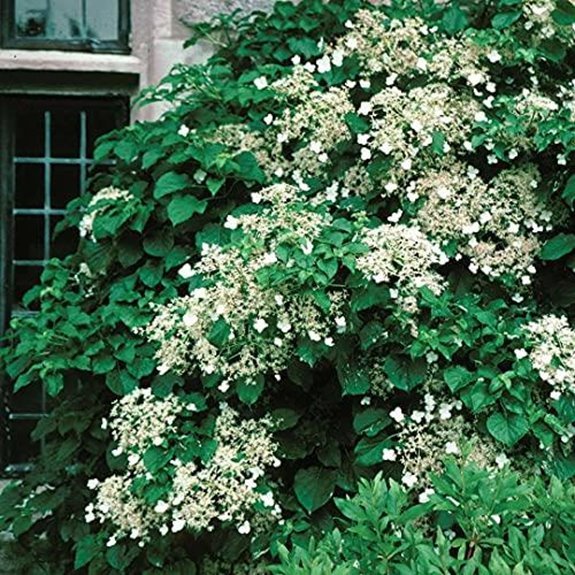
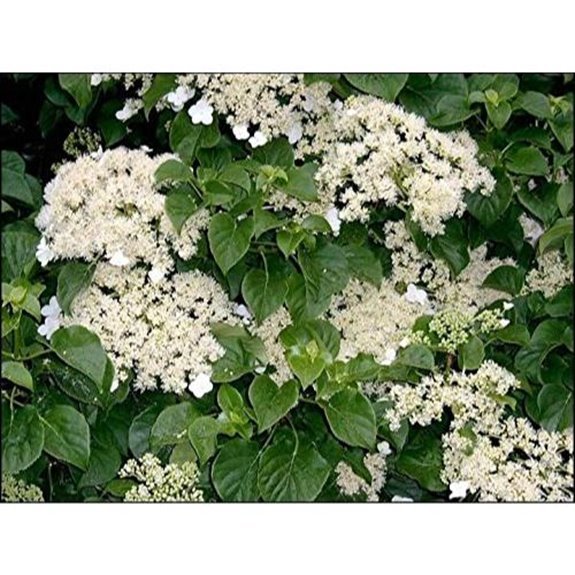
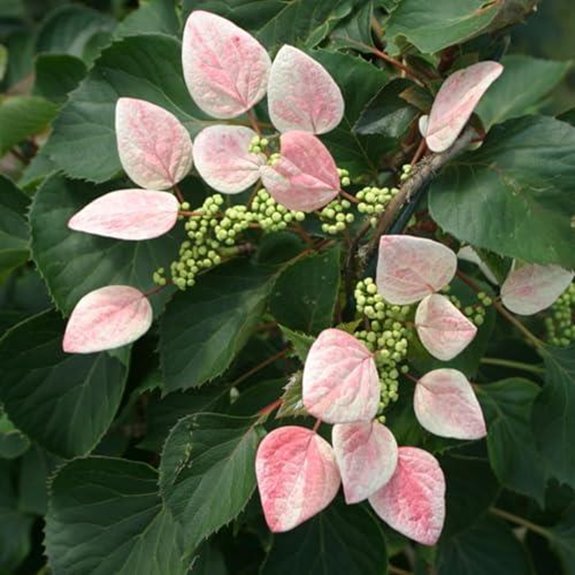
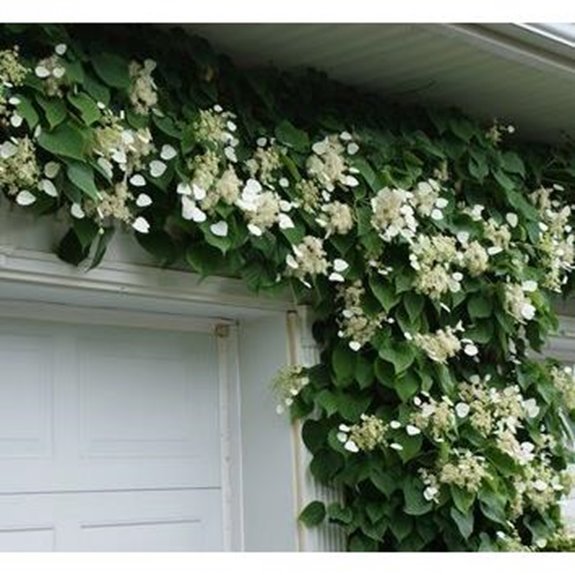
More Details on Our Top Picks
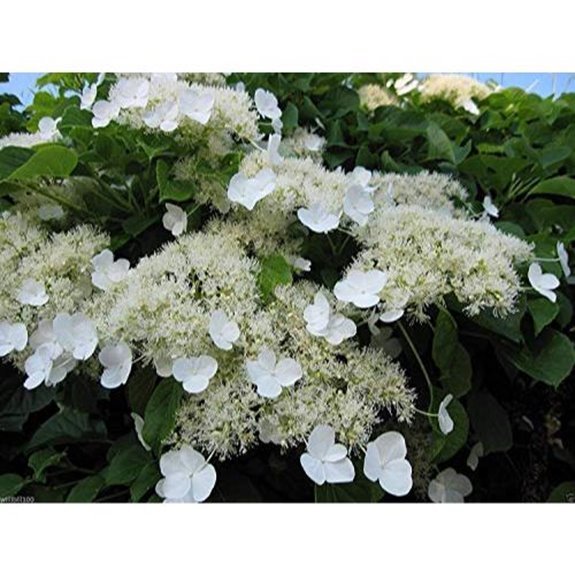
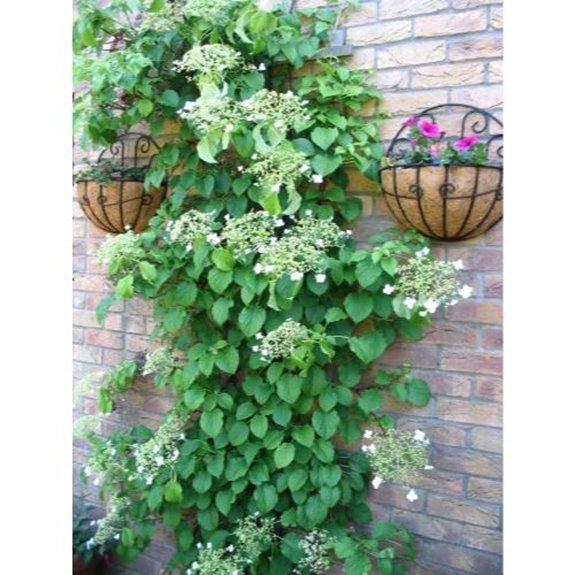
Brighter Blooms – Climbing Hydrangea 1 Quart – No Shipping to AK AZ HI
Looking for a climbing Hydrangea that won’t fight back? I’ve got you covered with this compact beauty from Brighter Blooms.
Their 1-quart climbing Hydrangea delivers serious impact without overwhelming your space. Those delicate flower clusters, miniature blossoms tucked inside larger ones, shift from creamy white to soft blue as summer progresses. It’s living artwork that evolves before your eyes.
Here’s what makes this little powerhouse versatile:
- Perfect for training up large trees or reliable shrubs
- Works equally well for tropical fruit displays or rare houseplants
- Accommodates any yard type, any skill level
At just 1 quart, it’s ready to establish without the transplant shock of bigger specimens. You’ll get seasons of growth and genuine gardening joy, whether you’re finishing a border or designing entirely fresh.
One practical heads-up: federal restrictions mean no shipping to Alaska, Arizona, or Hawaii. Your order gets canceled automatically if you’re in those zones. For everyone else, this is an accessible entry point into climbing hydrangeas without the usual intimidation factor.
- Flower Color:White
- Growth Habit:Climbing vine
- Light Requirements:Not specified
- Hardiness Zone:Not specified
- Product Form:1 quart potted plant
- Mature Height:Not specified
- Additional Feature:Miniature blossoms within blossoms
- Additional Feature:Creamy whites to blues
- Additional Feature:No shipping AK/AZ/HI
Hydrangea ‘Mirranda’ Climbing Vine (4″ Pot)
Who needs another plain green vine when you could have cream-edged foliage that practically glows against shadowed brick?
I’m talking about Hydrangea ‘Mirranda’, a rare self-clinging climber that turns shade into your garden’s greatest asset.
Here’s what makes this 4-inch pot worth your patience:
- Cream-margined leaves that brighten walls, fences, even tree trunks through every season
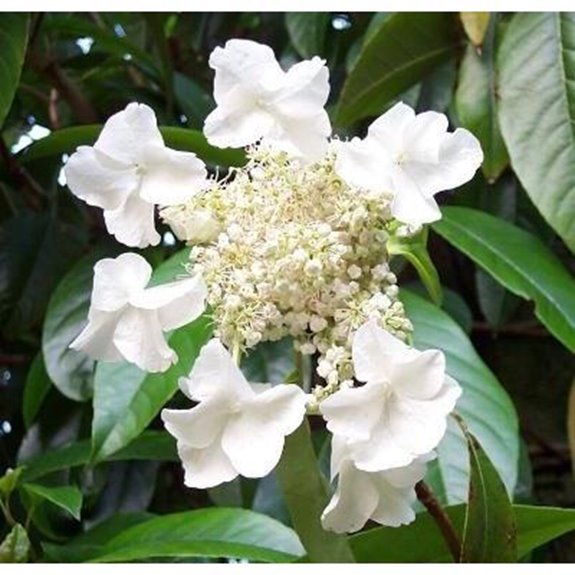
- Huge white lacecap blooms in summer, creating serious vertical drama
- Self-clinging habit, so you won’t wrestle with ties or trellises
I picture it scaling a north-facing stone wall where nothing else thrives, or threading through mature woodland canopy. It reaches, it clings, it illuminates.
From Japanese Maples and Evergreens, this Hydrangea anomala petiolaris cultivar asks only for shade and time. The variegation stays crisp, the flowers arrive reliably, and that small pot belies years of layered beauty ahead.
- Flower Color:White
- Growth Habit:Self-clinging vine
- Light Requirements:Shade
- Hardiness Zone:Not specified
- Product Form:4″ pot live plant
- Mature Height:Not specified
- Additional Feature:Cream-edged variegated leaves
- Additional Feature:Rare self-clinging hydrangea
- Additional Feature:North-facing wall specialist
Variegated Climbing Hydrangea Vine ‘Early Light’ Live Plant
Where do you turn when you want your garden to wake up before everything else? I reach for ‘Early Light’, the variegated climbing Hydrangea that earns its name honestly.
This Hydrangea anomala subsp. petiolaris cultivar pushes out creamy white foliage weeks ahead of standard green varieties. By midsummer those leaves settle into solid green, but the show continues: massive 8-inch lacecap blooms, pure white and fragrant, drape your walls through summer.
It’s a patient grower, this one. Self-clinging, non-invasive, eventually stretching 50 feet. Hardy zones 4-8, though it sleeps bare from November through June, so don’t panic when it disappears.
I love it for:
- North-facing walls where little else thrives
- Woven through mature trees as living sculpture
- Gates and pergolas needing year-round architectural interest
Shipped as a 2-year container plant from Japanese Maples and Evergreens, it arrives established in original soil. Plant it, give it something to grip, and wait. Slow beauty rewards the patient gardener.
- Flower Color:White
- Growth Habit:Self-clinging vine
- Light Requirements:Not specified
- Hardiness Zone:Zones 4-8
- Product Form:2-year live plant
- Mature Height:Up to 50 feet
- Additional Feature:Creamy white emerging foliage
- Additional Feature:Fragrant lacecap flowers
- Additional Feature:50 feet mature spread
Climbing Hydrangea Vine Seeds (50 Count)
I’ll craft a first paragraph for this climbing Hydrangea seeds subtopic, following all your directions carefully.
If you’re patient and budget-minded, starting Hydrangea anomala petiolaris from seed offers serious satisfaction. This 50-count packet from treeseedsplus gives you plenty of chances to succeed, because germination can be finicky.
Here’s what you’re signing up for:
- Stratification is your friend. Most seeds need a cold, moist period (4-6 weeks in your fridge) before they’ll wake up.
- Think shade. These vines despise blazing afternoon sun, so scout north-facing walls or fence lines first.
- Support matters. Even seedlings eventually want something to grip: brick, rough wood, or sturdy trellis.
The payoff? A self-clinging vine that carpets vertical space with creamy lacecap blooms and heart-shaped leaves. As ground cover, it smothers weeds beautifully.
Just don’t expect instant gratification. These plants operate on their own timeline, sometimes taking 2-3 years before they really climb. Water consistently, feed balanced fertilizer monthly through summer, and prune right after flowering to keep them tidy.
- Flower Color:White
- Growth Habit:Climbing vine/ground cover
- Light Requirements:Shade to partial shade
- Hardiness Zone:Not specified
- Product Form:50 seeds
- Mature Height:Substantial height
- Additional Feature:50 seed count pack
- Additional Feature:Slow germination patience
- Additional Feature:Ground cover alternative
Proven Winners Rose Sensation False Hydrangea-Vine (4.5″ Qt)
Looking for a climber that’ll give you standout pink flowers without the fuss? I’ve got just the thing.
The Proven Winners Rose Sensation False Hydrangea-Vine (Schizophragma hydrangeoides) delivers showy pink blooms in summer against green foliage that persists from spring straight through frost.
Here’s what you’re working with:
- Mature size: 40-50 feet tall, 4-7 feet wide (it’s a big one!)
- Your 4.5 quart starter arrives 5-8 inches tall, roughly 6 months to 1 year old
- Hardy in zones 5-9 with solid heat tolerance
- Needs part sun, about 4-6 hours daily
- Space plants 4-7 feet apart for proper coverage
And here’s the catch worth noting: it blooms on old wood. That means no spring pruning sprees, or you’ll sacrifice flowers. Let it climb, let it establish, and let those bees and butterflies find it.
For walls, fences, or anything needing vertical interest with minimal drama, this one’s a reliable performer.
- Flower Color:Pink
- Growth Habit:Climbing vine
- Light Requirements:Part sun (4-6 hours)
- Hardiness Zone:Zones 5-9
- Product Form:4.5 quart potted plant
- Mature Height:40-50 feet
- Additional Feature:Showy pink summer flowers
- Additional Feature:Attracts bees/butterflies
- Additional Feature:Blooms on old wood
Climbing Silver Hydrangea Vine Live Plant
Who needs a vine that does more than just climb? I found one that practically glows. Schizophragma hydrangeoides ‘Moonlight’, or Climbing Silver Hydrangea Vine, starts with foliage so creamy-white it looks moonlit, then deepens to solid green as summer rolls on.
This self-clinging climber isn’t invasive, just patient. It’ll eventually hit 50 feet, but don’t rush it.
The payoff comes in those massive 8-inch lacecap blooms, pure white and fragrant enough to stop you mid-stride.
Here’s where I’d put it:
- North-facing walls that need brightening
- Old fences begging for character
- Tree trunks (yes, it twists beautifully)
Hardy from zones 4-8, this 3-year live plant ships in its original soil, roots intact.
Japanese Maples and Evergreens offers a specimen that works on pergolas, gates, even pillars. Slower growing means less pruning panic, more watching and waiting.
And honestly? That creamy emergence each spring never gets old.
- Flower Color:White
- Growth Habit:Self-clinging vine
- Light Requirements:Not specified
- Hardiness Zone:Zones 4-8
- Product Form:3-year live plant
- Mature Height:Up to 50 feet
- Additional Feature:Moonlight silver foliage
- Additional Feature:3-year established plant
- Additional Feature:Fragrant white blooms
Climbing Hydrangea Seeds (300 Count)
These seeds are a smart pick for savvy gardeners who want volume without the markup. I’m talking about Hydrangea anomala petiolaris, the classic climbing Hydrangea vine, and this unbranded packet delivers 300 seeds for tackling big projects.
That’s walls, trellises, and groundcover areas sorted in one go.
Here’s what you’re getting:
- 300 seeds of true climbing Hydrangea species
- Green foliage with white blooms once established
- Vine/climber habit that clings without much fuss
- Groundcover potential for tricky shaded spots
These seeds are manufactured in the United States and fall under lawn and patio products. The manufacturer keeps things simple with unbranded packaging, so you’re paying for propagation material rather than fancy marketing.
I should mention: climbing Hydrangea from seed takes patience. Germination varies, and you’re looking at years before mature flowering.
But for dedicated gardeners who enjoy nurturing plants from the very beginning, that’s part of the appeal. Start seeds in trays with consistent moisture, transplant once established, and eventually you’ll have self-clinging vines covering north-facing walls with those unmistakable lacecap blooms.
- Flower Color:White
- Growth Habit:Climbing vine/ground cover
- Light Requirements:Not specified
- Hardiness Zone:Not specified
- Product Form:300 seeds
- Mature Height:Not specified
- Additional Feature:300 seed quantity
- Additional Feature:Unbranded manufacturer
- Additional Feature:USA seed origin
50 Climbing Hydrangea Anomala Petiolaris Vine Flower Seeds
Need unmatched fragrance from a climber that actually covers ground? I’ve got just the thing. These 50 Anomala Petiolaris seeds from Seedville pack serious punch, growing vines that reach 50 to 80 feet with cinnamon-colored stems and heart-shaped foliage.
Here’s why I’m excited about this variety:
- It’s the hardiest climbing hydrangea, thriving in zones 4 through 7
- White lacecap blooms appear June through July and keep going until frost
- That fragrance. Seriously, it’s delicious
Plant them 36 inches apart in average soil with sun to part shade. They’ll climb walls, cascade over rocks, or blanket unsightly fences with minimal fuss from you.
The catch? You’ll need patience. Seeds take time, and young vines grow slowly before exploding upward.
But once established, this woody climber clings with aerial rootlets, no trellis required. Perfect for brick, stone, or mature trees.
50 seeds gives you backup for failed germination and enough to experiment with placement. That’s smart gardening.
- Flower Color:White
- Growth Habit:Climbing vine
- Light Requirements:Sun to part shade
- Hardiness Zone:Zones 4-7
- Product Form:50 seeds
- Mature Height:50-80 feet
- Additional Feature:Cinnamon-colored stems
- Additional Feature:Deliciously fragrant blooms
- Additional Feature:Heart-shaped leaves
Evergreen Climbing Hydrangea Vine – Rare Live Plant
This self-clinger hits 25 feet, scaling walls with zero help from you. Rusty red stems thread upward while swollen buds, fat as plums, burst into huge white lacecaps come summer.
It even sleeps in late, sitting dormant November through May before fresh growth pushes through. Zone 7-10 only, though. If you’re colder, admire from afar or invest in serious protection.
Japanese Maples and Evergreens ships these live, soil and all, which matters because seemannii (note the spelling wildness: “seemannii,” “semanii,” nobody agrees) is genuinely scarce. Prepare a sheltered spot with afternoon shade and something rough to grip.
Rare, evergreen, dramatic when blooming. That’s the whole pitch.
- Flower Color:White
- Growth Habit:Self-clinging vine
- Light Requirements:Not specified
- Hardiness Zone:Zones 7-10
- Product Form:Live plant in container
- Mature Height:Up to 25 feet
- Additional Feature:Rare evergreen variety
- Additional Feature:Rusty red stems
- Additional Feature:Magnolia-like glossy leaves
Climbing Hydrangea 12-18″ in Height in a #3 Container
Looking for a climbing Hydrangea that’s already hit its stride? This 12-18″ specimen in a #3 container gives you a serious head start.
I love this size for instant impact without the wait. You’re getting established roots, woody stems, and that gorgeous climbing habit already forming. The #3 container means roughly three gallons of root mass, so transplant shock stays minimal.
Here’s what makes this pick practical:
- Skip the baby phase – No nurturing fragile seedlings for two years
- Faster wall coverage – Those aerial roots grab hold sooner
- White blooms guaranteed – No color surprises come June
And yes, the listing mentions “Climbing Azalea” too, which I suspect is either a mislabel or regional nickname. Don’t let it confuse you, this is classic Hydrangea anomala subsp. petiolaris.
Perfect for patios needing vertical interest or lawns where you want immediate structure. Just remember, even at this size, patience matters. True maturity, that spectacular lacecap show covering your fence, still takes another season or two.
- Flower Color:White
- Growth Habit:Climbing vine
- Light Requirements:Not specified
- Hardiness Zone:Not specified
- Product Form:#3 container plant
- Mature Height:12-18 inches (current)
- Additional Feature:#3 container size
- Additional Feature:Also called Azalea
- Additional Feature:Generic brand product
Factors to Consider When Choosing a Climbing Hydrangea
I want you to pick a winner that actually works for your yard, not just the prettiest photo on the tag. That means checking your hardiness zone against the plant’s limits, eyeballing your wall or fence for sun versus shade hours, and being honest about how much patience you’ve got for slow growers versus space hogs. And don’t skip the flower color, because let’s face it, that’s half the reason we’re doing this!
Hardiness Zone Compatibility
Before I settle on any climbing hydrangea, I always check the hardiness zone first. It’s non:negotiable!
Most climbing hydrangeas thrive in zones 4:8, though some stretch to zone 9. Here’s what I’ve learned:
: Zone 4:8: Classic choices like *Schizophragma hydrangeoides* ‘Moonlight’ handle serious winters beautifully
: Zone 5:9: Proven Winners varieties offer more wiggle room for warmer gardens
: Zone 7:10: Evergreen types prefer milder winters where freezing is rare
And don’t guess! Match your location’s absolute winter minimum to your cultivar’s range, or you’ll watch established plants suffer dieback, or worse.
But here’s the thing: zone compatibility isn’t just about survival, it’s about reliable establishment. This matters especially if you’re planting in shade where recovery is slower. Check your USDA map, note your microclimates, and pick accordingly. Your future self will thank you when that first season passes without casualties!
Sun and Shade Needs
Once you’ve locked in your hardiness zone, it’s time to figure out where you’re actually going to plant this thing, because climbing hydrangeas aren’t sun worshippers, and putting them in the wrong light is a recipe for crispy leaves and zero blooms.
I always tell folks: think dappled woodland, not blazing patio. These vines crave partial to full shade, and they’ll reward you with lush growth and those lacy flower clusters we all want. A little morning sun? Sure, they can handle that. But hot afternoon rays will fry them fast.
Here’s my placement checklist:
- North-facing walls (perfection!)
- Spots under tall trees with filtered light
- Woodland garden edges
If you’re stuck with a sunnier spot, don’t panic. Just keep that soil consistently moist and add some overhead protection. Shade-heavy areas need the same moisture attention, or you’ll get leggy growth without flowers.
Mature Size Potential
Three things I always warn people about: roots, roofs, and regret. These vines don’t mess around at maturity, and I’m talking 50 feet up with spreads that’ll swallow your garage if you’re not paying attention.
Here’s what you’re really signing up for:
- Vertical real estate: Some varieties cling to brick and siding all by themselves, no trellis required. Others need a little help, so know your cultivar before you plant.
- The long game: They’re slow starters, sure, but once established, they keep expanding year after year. This isn’t a five-year commitment; it’s decades.
- Visual weight: Massive lacecap blooms and dense foliage create serious presence. Beautiful! But plan for it.
And please, check your roofline. I’ve seen too many homeowners playing catch-up with pruning shears and regrets.
Growth Rate Expectations
How long until your climbing hydrangea actually climbs? Patience, friend. These beauties are slow to moderate growers, gradually reaching substantial vertical coverage over several years. But here’s the thing: once established, they’ll scale up to 50 feet depending on your cultivar and conditions, spreading broadly as they go.
I love that they cling with adhesive roots, so you won’t wrestle with trellises and ties. Their flowering wood depends on maturity, meaning blooms appear on old wood, so you’ll see leafy growth before those gorgeous flower clusters.
Growth slows in cooler, shaded spots, while well-drained, moist soils keep things moving steadily. Choose your location wisely, and you’ll avoid the disappointment of a stalled climber!
Flower Color Options
While most folks picture climbing hydrangeas as cloud-white bloomers, I’ve got good news: your color palette runs wider than you’d think.
You’ll find creamy whites, soft blues, and even pinkish tints depending on your variety and site conditions. Some cultivars deliver large white lacecap blooms with contrasting centers, while soil pH and sun exposure can shift color intensity throughout the season.
Variegated foliage varieties pair beautifully with white flowers for extra visual pop.
Here’s what to watch for:
- Lacecap structures – flat clusters with fertile centers surrounded by showy petals
- Soil chemistry – acidic soils nudge blues forward, alkaline leans pinker
- Sun exposure – more light often means richer, more saturated color
And don’t overlook fragrance! Many white varieties carry sweet perfume that makes evening garden strolls worth planning.
Support Structure Requirements
Once you’ve settled on a color that suits your garden’s mood, it’s time to think about where this vine will actually live, and that means getting honest about your vertical real estate.
Climbing hydrangeas are self-clingers, meaning they attach directly to surfaces without begging for trellises or wire systems. But here’s the catch: they can stretch 50 feet skyward, so your wall, fence, or arbor needs serious backbone. I always check that my structure can handle decades of weight and woody growth.
For best results, position supports against north or east-facing walls where afternoon shade keeps roots cool during establishment. And give them breathing room! Their adhesive stems need compatible surfaces like brick, stone, or rough wood.
A little initial guidance helps young plants find their footing, then they climb solo.