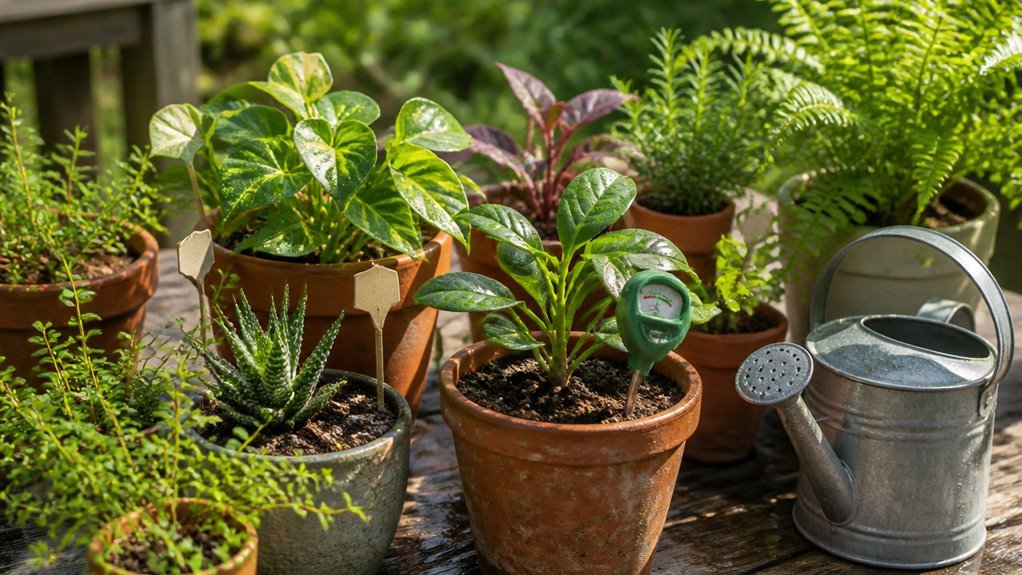
I check my potted plants before I water them. I’ll show you the two tests I use every time. One uses your finger. The other uses a $12 moisture meter from the hardware store.
My large terra cotta pots need water twice a week in July. My small plastic pots dry out in one day. You need to know your pot size, soil type, and sun exposure. The rest depends on what your plants tell you.
How Often to Water Potted Plants: The Fast Answer
How often depends on pot size. For container plants in pots 20 inches or bigger, I water every third or fourth day. This promotes healthier root growth. Daily watering is unnecessary for established plants in sizeable containers.
I check soil moisture before watering. I feel the top inch or use a moisture gauge. When the surface is dry, I water until drainage flows from the bottom. This prevents root rot.
In full sun or wind, larger pots dry faster. I adjust my schedule based on conditions. Drip irrigation works well at 5 minutes every 12 hours. I tweak this for pot size and actual soil moisture. Proper drainage matters most.
Why Potted Plants Dry Out Faster Than Garden Beds
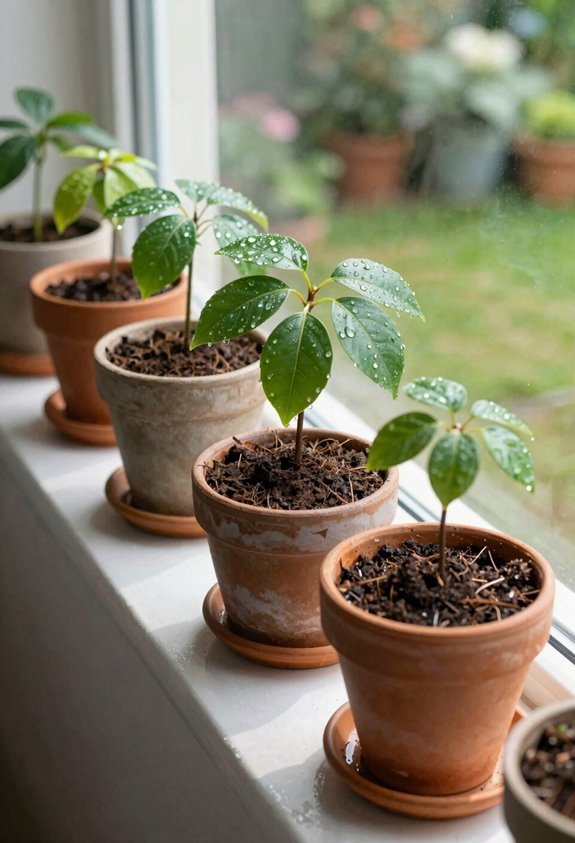
Potted plants lose moisture quicker than garden beds because containers expose more surface area to air and sun. A 6-inch clay pot holds only about 3 quarts of soil, so roots exhaust available water fast.
Terracotta and unglazed ceramic pots wick moisture through their walls, while plastic and glazed containers trap heat and speed up evaporation from the soil surface.
Evaporation Surface Area
Container plants dry out faster than garden beds because water escapes from every exposed surface, not just the top of the soil. Ground soil loses moisture from one plane. Pots expose more container surface area to air and sun. This accelerates evaporation dramatically.
I adjust my watering frequency to match this reality. My patio containers need water more often than my garden beds. The potting soil in containers holds less total soil moisture. I check containers daily during hot spells.
I water deeply when the top inch feels dry. This promotes stronger root growth toward the bottom. Larger pots still lose water faster than ground plantings.
I group containers to create humidity zones. This reduces evaporation slightly. I choose plastic or glazed pots over terracotta. Unglazed clay increases water loss through walls.
Limited Soil Volume
Limited soil volume accelerates drying in pots. I’ve learned this firsthand with my potted plants.
A garden bed pulls moisture from deep ground reserves. Your container holds only what you give it. That limited soil volume means less water storage overall. I adjust my watering frequency accordingly.
My patio containers need attention every day in summer heat. Container irrigation demands more vigilance than ground planting. I check soil moisture with my finger two inches down. Dry means water immediately.
I pour until liquid exits the drainage holes. This promotes deep root penetration. Shallow watering wastes time in small pots. The roots at bottom stay thirsty. I soak thoroughly, then let the pot drain completely. This rhythm keeps my plants alive through dry spells.
Container Construction Impact
Why does my potting mix vanish so fast? I see container evaporation stealing my soil moisture from every side. My pots expose potting soil to more surface area than garden beds. Ground soil evaporates from one plane. My containers lose moisture through multiple walls.
I adjust my water frequency because limited potting soil volume holds less moisture. My patio pots need more attention than my garden beds. I check dryness daily.
I focus on root zone waterability with deep watering. I soak until water drains from holes. This reaches bottom roots. My container plants stay healthier with this direct approach. I skip light sprinkles. I deliver real moisture to the full root zone.
Check Soil Before You Water Potted Plants
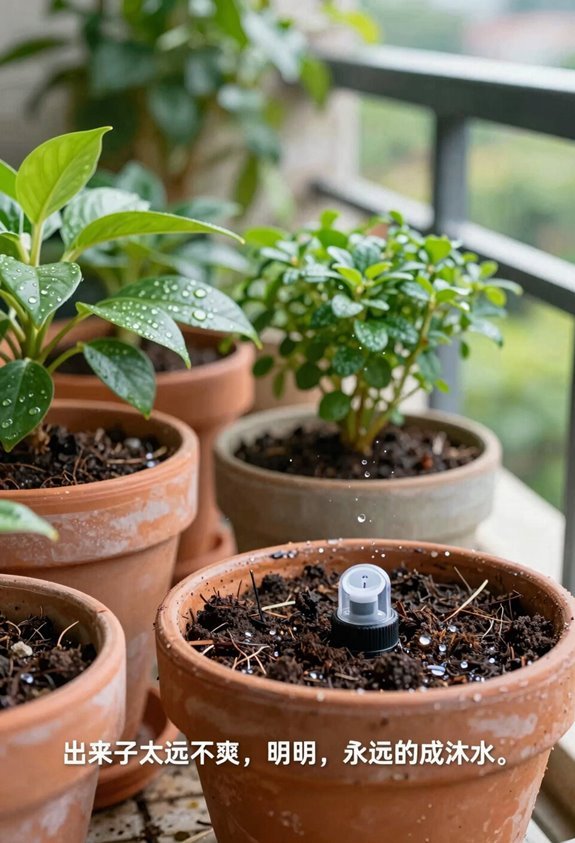
Stick your finger one inch into the soil. I check soil moisture this way every time. If the top inch feels dry, I water. If it feels damp, I wait.
Stick your finger one inch into the soil. Dry? Water. Damp? Wait. Simple as that.
Soil Moisture Test
I lift the pot to judge water needs. A light pot needs water. A heavy pot holds moisture. This simple check beats guessing water frequency.
Drainage Check
I water until I see drainage from the bottom holes. This gives deep roots moisture. Shallow watering weakens plants over time.
Dry Soil Recovery
If soil dries completely, I soak the entire pot in water for 30 minutes. This rehydrates root balls properly. Daily watering causes root rot even when the top inch dries fast in sun.
Adjust Your Potted Plant Schedule for Summer Heat
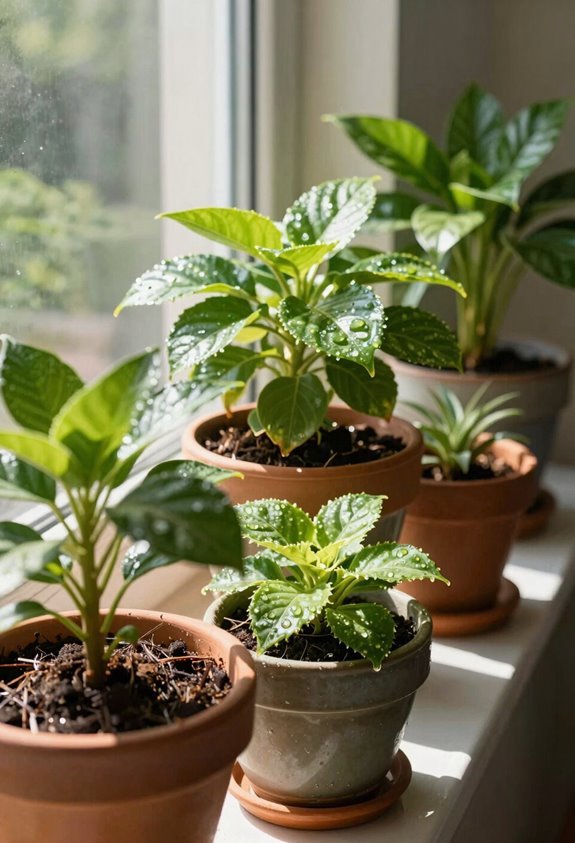
I always change my watering routine when summer temperatures rise. My container plants need more attention when days get hot and dry.
Small Pots in Summer Heat
Small pots dry out fast. I water daily or twice daily. The summer heat pulls moisture right out.
Large Pots in Summer Heat
Pot size changes everything. My containers 20 inches or bigger hold more water. I water every third or fourth day. This prevents soggy roots.
Sun and Shade Placement
Full-sun pots need more watering than shaded ones. I check both locations at different times.
Drip Irrigation Setup
I use drip irrigation for steady moisture. Five minutes every 12 hours works. The slow flow beats hand watering in peak heat.
Timing Matters
I water early morning or late evening. This cuts evaporation and keeps fungus away.
Water Deep or Water Often? What Potted Plant Roots Need
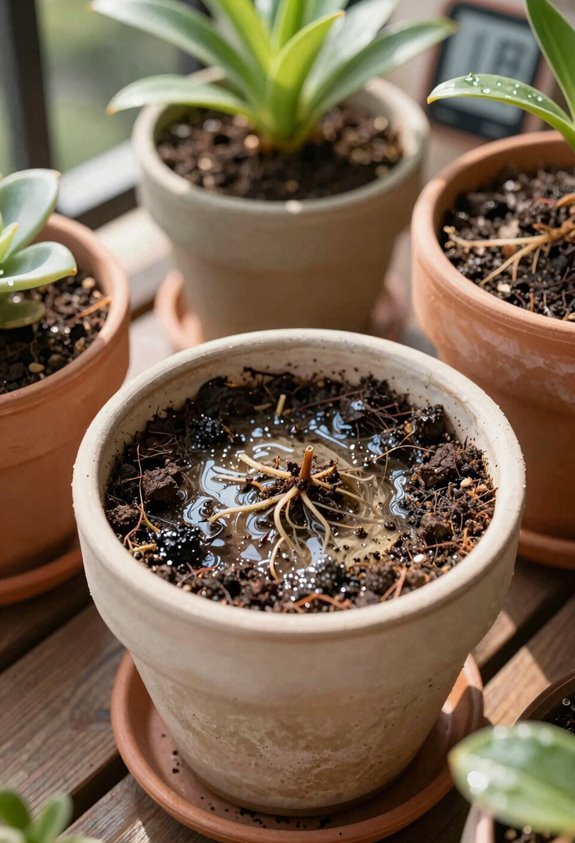
How do potted plants really drink? They need moisture throughout the entire root zone, not just near the top. I give my containers deep watering so water reaches bottom roots. This builds stronger plants.
I check drainage holes. When water runs out, I’ve wet the full soil profile. I don’t stop at the surface. Daily light sprinkles won’t cut it. They waste time and create weak roots.
For big pots, 20 inches across or wider, I wait three to four days between drinks. That’s when soil holds enough moisture for steady uptake. I lift the pot. Light weight means it’s time to soak again.
Drip irrigation keeps things even. It cuts my workload and stops the shallow watering trap. My plants get uniform moisture without my guesswork. Dry top inch? I water deep then stop.
Spot Overwatering Early (And Save Your Plant)
Root rot sets in fast when soil stays wet too long. I check my container plants daily for drying cues. I touch the surface. I wait until the top inch dries before I water again.
Root rot waits for no one. I check daily. I touch the soil. I wait.
I adjust my watering frequency based on drainage. I use pots with holes. I empty saucers immediately. Water must flow through, not pool at the bottom.
I soak my container plants thoroughly. I watch for drips from drainage holes. This signals complete soil saturation.
I favor deep watering every three to four days over daily sprinkles. This prevents shallow roots and rot.
In sunny spots, I monitor more often. Wind and heat speed evaporation in container plants. I stay alert.
Best Time to Water Potted Plants
When do my plants drink best? I water in early morning or early evening. This cuts evaporation and lets roots drink before heat peaks.
Soil Check First
I never trust a fixed water schedule. I check the top inch of soil with my finger. When it feels dry, I water. When it feels damp, I wait.
Pot Size Matters
Large pots, 20 inches or bigger, hold more soil moisture. I water these every third or fourth day. Small pots dry faster under hot light/heating conditions and need daily or twice-daily checks.
Weight Check
I lift the pot. Light means thirsty. Heavy means wait. I adjust my water schedule based on soil moisture, not the calendar. This keeps my plants healthy.
Succulents and Cacti: The “Neglect” Watering Rule
I water these plants less than everything else in my collection. These desert dwellers do well with minimal attention, and I’ve learned to embrace that.
| Pot Size | Watering Approach | Signs of Watering Balance |
|---|---|---|
| Small (4-6 inches) | Deep soaks every 7-10 days | Wrinkled leaves mean add water |
| Medium (8-10 inches) | Deep soaks every 10-14 days | Plump leaves mean you’re good |
| Large (12+ inches) | Deep soaks every 14-21 days | Mushy stems mean cut back |
| Any size with poor drainage | Reduce soaks by half frequency | Yellow leaves mean check roots |
I give thorough soaks until water runs from drainage holes, then I wait. I never let pots sit in standing water.
I watch for shriveled leaves as my signal to water, or mushy tissue as my warning to stop. Bigger pots hold moisture longer, so I adjust my schedule accordingly.
Use Moisture Meters to Perfect Your Potted Plant Routine
A simple probe cuts through the guesswork. I stick a moisture meter into my container plants to check soil moisture before I water. The meter tells me when dryness hits root level. I ignore fixed calendars. I water when the gauge says dry.
I watch drainage closely. I water until liquid seeps from holes. I check the meter before and after to confirm deep, even soaking. Poor drainage kills roots fast. I use the tool to avoid soggy soil in pots without holes.
I track readings across weeks. I shift watering frequency as seasons change, sun moves, and pots dry faster or slower. I pair meter data with fingertip checks and pot weight. I build a routine that fits each plant.