Houseplants can boost indoor air quality by 87% in just 24 hours. I’ve killed enough plants to know the shortcuts that actually work. These three steps skip the guesswork and keep your plants alive.
Start With Beginner Plants That Fit Your Windows
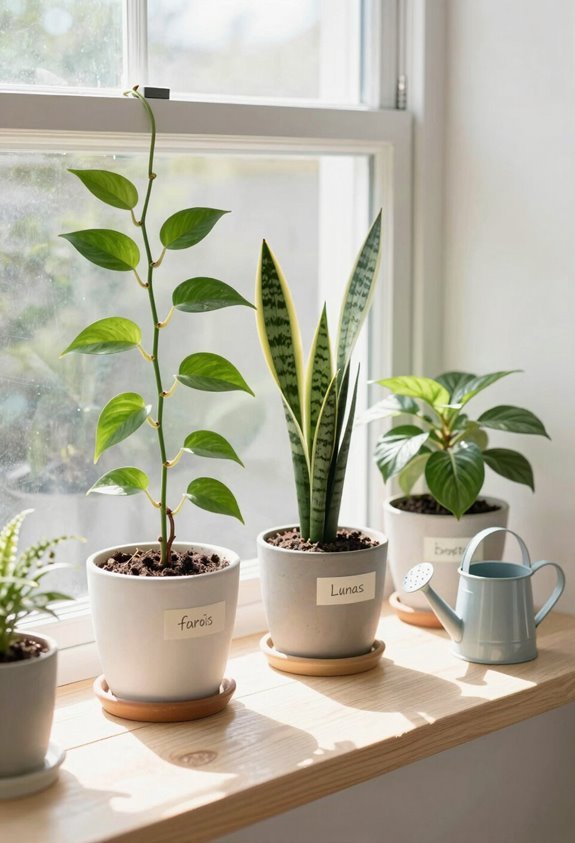
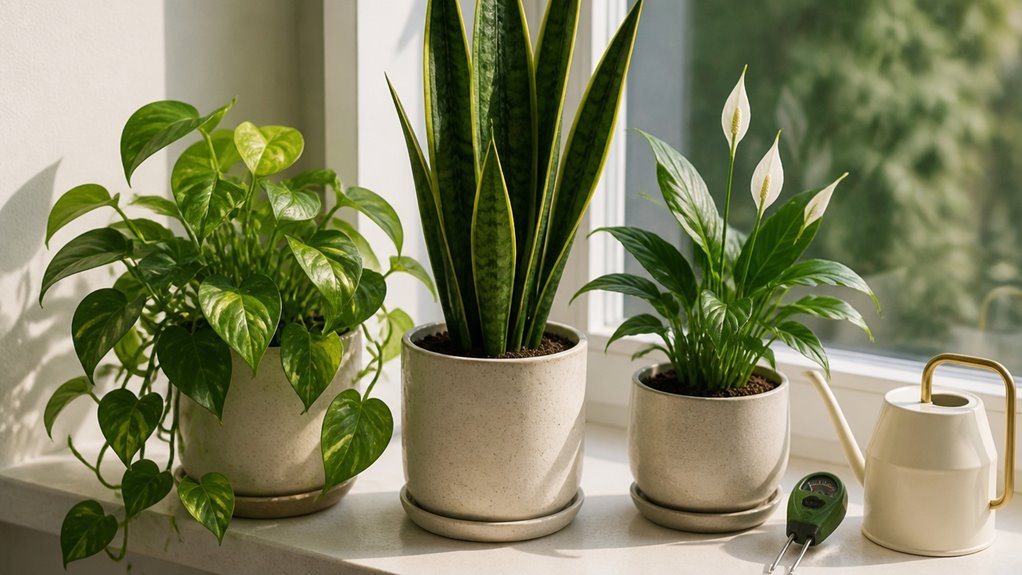
I choose pothos, snake plants, or ZZ plants for my first indoor plants. These beginner plants tolerate neglect and temperature swings. I match their light needs to my window exposure.
Low-light plants thrive in shaded corners. Bright-light plants need east or south-facing windows. I place sun-lovers like aloe near southern exposures. I keep low-light varieties away from direct sun.
I visit local plant stores for guidance. Staff match plants to my space and commitment level. I skip hardware-store sections with poor stock.
I check health signals before buying. I look for firm leaves and no pests. I pick proper pot size with well-draining soil. I avoid over-potting.
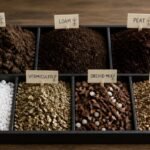
I use pots with drainage holes. I add perlite to standard mix for airflow.
I let plants settle. I turn them weekly for even growth. I avoid moving them often.
Water When Soil Dries: Skip the Calendar
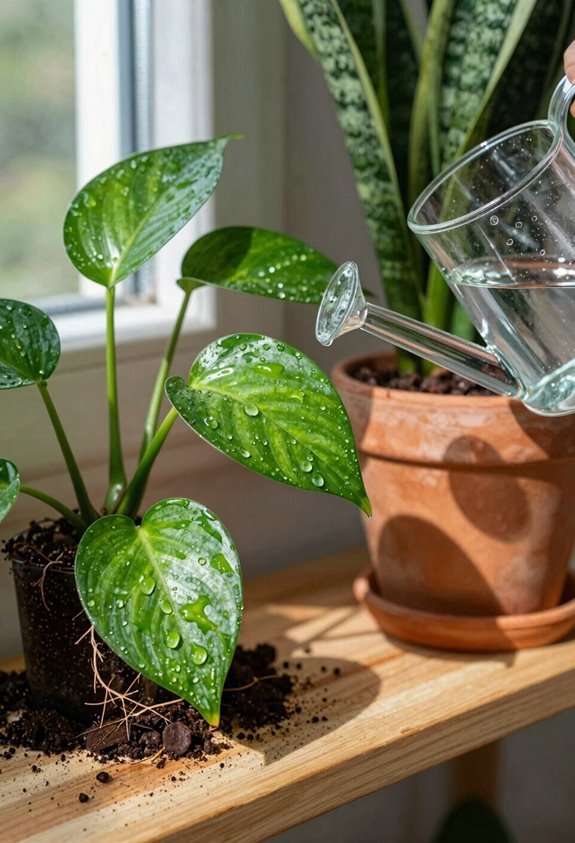
Because plants don’t follow schedules, I check soil moisture instead of marking calendars. I feel the top 2 cm of potting soil. If it dries, I water. If it stays damp, I wait.
I poke my finger in or use a simple probe. Morning watering works best. I use chlorine-free water and let tap water sit overnight. This prevents overwatering and underwatering.
I watch for yellow soft leaves. That signals overwatering. Wrinkled leaves mean underwatering. Good drainage matters. My pots have holes. No plant sits in standing water.
For bottom-watering, I need a drainage-friendly pot and saucer. I lift the pot after watering. I empty extra water. Unsure? I wait one day. I re-check soil moisture before adding more. This keeps roots healthy.
Read the Leaves: Catch Pests, Nutrients, and Root Issues Early
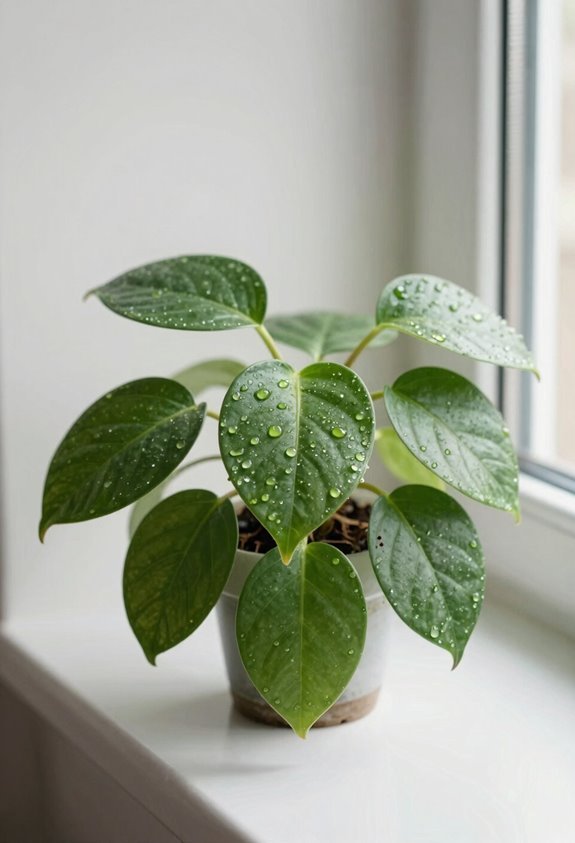
When I spot damage, I grab a magnifying glass and check leaf undersides. I diagnose plants by matching symptoms to causes. Yellowing leaves at tips signal nitrogen lack. Full yellowing means iron shortage. Brown crispy edges show bad watering or low humidity.
Wilting despite wet soil screams root health trouble from crowded pots.
| Symptom | Cause | Fix |
|---|---|---|
| Holes or sticky residue | Pests | Quarantine, leaf cleaning, neem oil |
| Yellowing leaves, stunted growth | Nutrient deficiency | Soil refresh, adjust fertilizer |
| Wilting, roots circling pot | Root health failure | Up-potting, fresh soil, trim dead roots |
I quarantine new plants two weeks minimum. I wipe leaves monthly with damp cloth. I check soil moisture before any watering change. I repot when roots poke drainage holes. I refresh soil yearly for heavy feeders.
I act fast. Small fixes beat plant funerals.