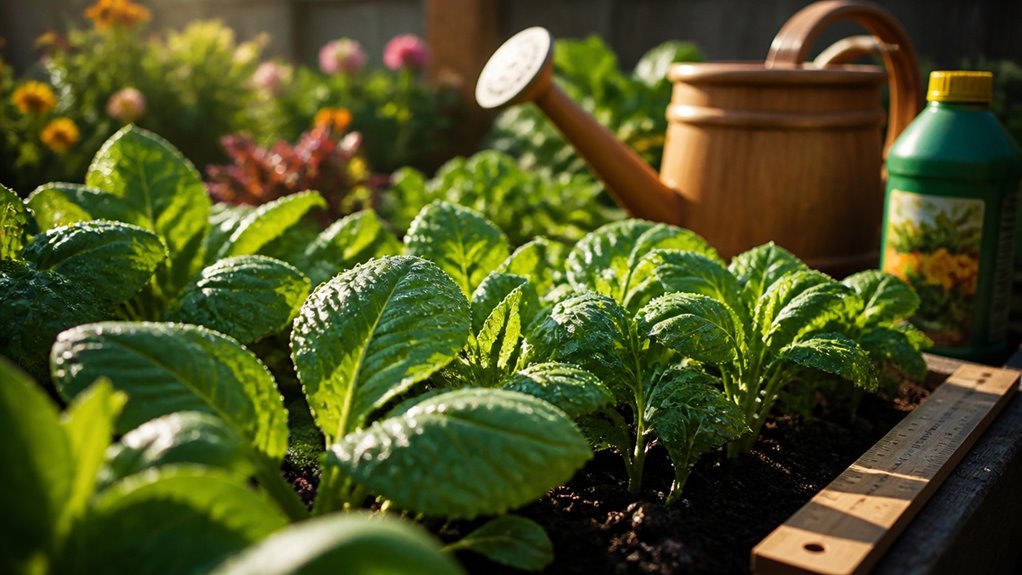
You already water on schedule, but that won’t cover your plants’ food needs. I check new leaf growth each spring before I add any fertilizer to my houseplants. This one change stopped my over-fertilizing habit completely.
Let me show you the five timing rules I use now.
How Often to Fertilize: Start With Your Plant’s Growth Stage

How Often to Fertilize: Start With Your Plant’s Growth Stage
I always check my plant’s growth stage before I feed it. This step shapes everything else I do.
Spring marks the start. I fertilize when new leaves and shoots appear. This seasonal timing matches active growth, not forced feeding.
Wait for new growth. Fertilize when the plant tells you it’s ready, not when the calendar does.
Houseplants need care first. I begin at half-strength. I feed monthly or every 4 to 6 weeks through the growing season.
Slow-release fertilizers work for vegetable beds. I apply every 4 to 6 weeks or follow label rates. Liquid feeds suit flowering perennials. I use them weekly or monthly.
Application frequency shifts with plant health. I taper as growth slows. I stop in dormancy. Weak growth hurts more than waiting.
Know your plant. Feed it right.
Fertilize New Seedlings at Half-Strength to Prevent Burn
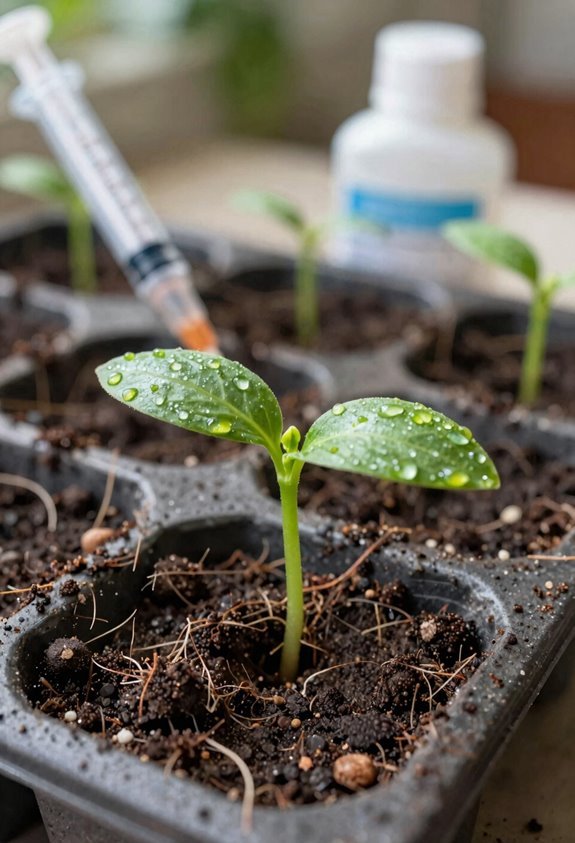
Why risk burning a fragile seedling when dilution solves the problem? I always dilute fertilizer to half-strength for new seedlings. This prevents root burn while roots establish.
I mix liquid or granular formulas at 50% of the label rate. I apply this reduced feed less frequently at first. I prefer bottom watering or careful soil incorporation. These methods put nutrients where roots are. Stems and foliage stay untouched.
I watch growth indicators closely. New leaves and sturdy stems tell me seedlings are ready for more. I make schedule adjustments only after seeing robust development. No guessing. I reassess feeding after 2 to 4 weeks. Then I consider moving to full-strength. Until then, half-strength keeps seedlings safe and growing steady.
Apply Fertilizer in Morning Hours for Safer Uptake
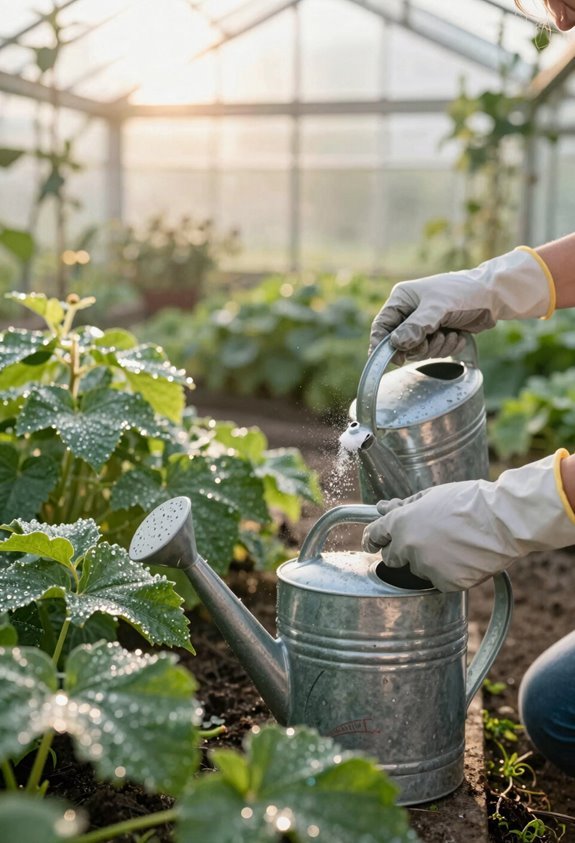
I feed my plants in the morning. This time of day works best for nutrient uptake. Cooler temperatures and calmer winds cut evaporation. Liquid or granulated fertilizers absorb better now than later.
For foliar feed, morning cuts leaf burn risk. Leaves dry before evening humidity hits. With soil-applied fertilizer, water thoroughly after applying. This pushes nutrients toward roots. When unsure, default to morning. It maximizes uptake and spares plants heat stress.
| Method | Best Practice | Key Result |
|---|---|---|
| Liquid fertilizer | Apply in morning | Better absorption |
| Granulated fertilizer | Spread at dawn | Reduced evaporation |
| Foliar feed | Mist early | Prevents leaf burn |
| Soil-applied fertilizer | Water thoroughly after | Nutrients reach roots |
| Uncertain timing | Choose morning | Minimizes plant stress |
Morning irrigation supports this routine. Cool soil accepts nutrients without shock. Your plants get what they need without waste. This timing builds consistency into how you fertilize plants.
Match Fertilizer Type to How Often You Want to Feed
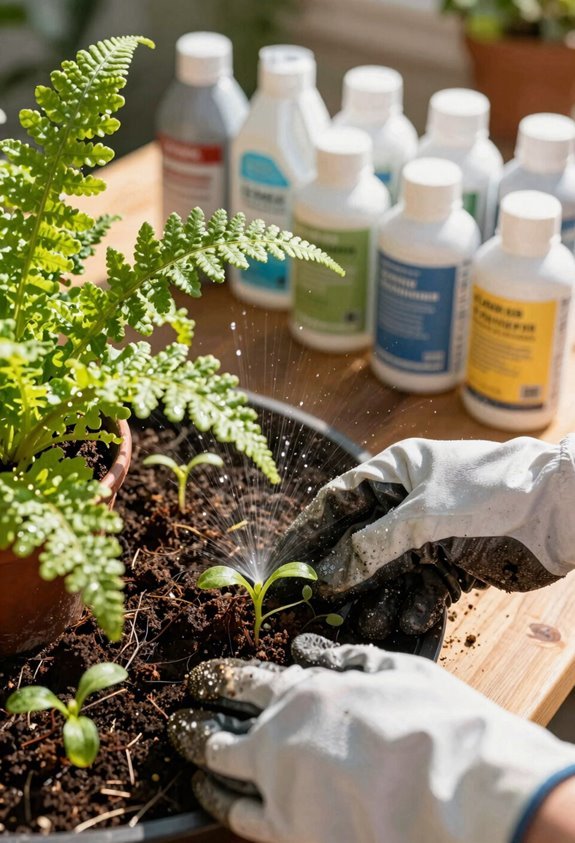
Selecting the right fertilizer type locks in your feeding routine. I choose liquid fertilizers when I want a feeding cadence of every 1–2 weeks. I pick slow-release or granular fertilizers for monthly to seasonal applications.
Match your fertilizer type to your schedule: liquids for frequent feeds, slow-release for longer intervals.
I treat heavy feeders differently. I give vegetables and fruiting plants half-strength doses more often instead of one heavy hit. This matches their growth spurts without burning roots.
I rely on slow-release pellets for steady 3–6 month coverage. They match active growing windows and cut my workload.
For indoor plants, I shift frequency with the seasons. I feed more in spring and summer. I pull back in fall and winter.
I always check product guidelines. Rates and timing vary by plant tolerance and conditions.
Read Leaf Color and New Growth as Fertilizer Timing Cues

When I check my plants, I start with the leaves. Leaf color tells me exactly when to adjust fertilizer timing. Pale or yellow leaves mean I need to fertilize. Dark green leaves mean plant nutrition is on track.
I watch new growth closely. Small, pale shoots signal hunger. Bright, vigorous flushes mean I hit the mark.
| What I See | What It Means | What I Do |
|---|---|---|
| Yellow or pale leaves | Nutrient deficiency | Fertilize at regular strength |
| Pale, stunted new growth | Lacking food | Feed during growth spurts |
| Leaf burn or tip yellowing | Over-fertilization | Switch to half-strength or stop |
I pair these cues with an annual soil test. This prevents guessing. I feed when plants show active growth spurts, not on a calendar. This method keeps my plants doing well without waste.