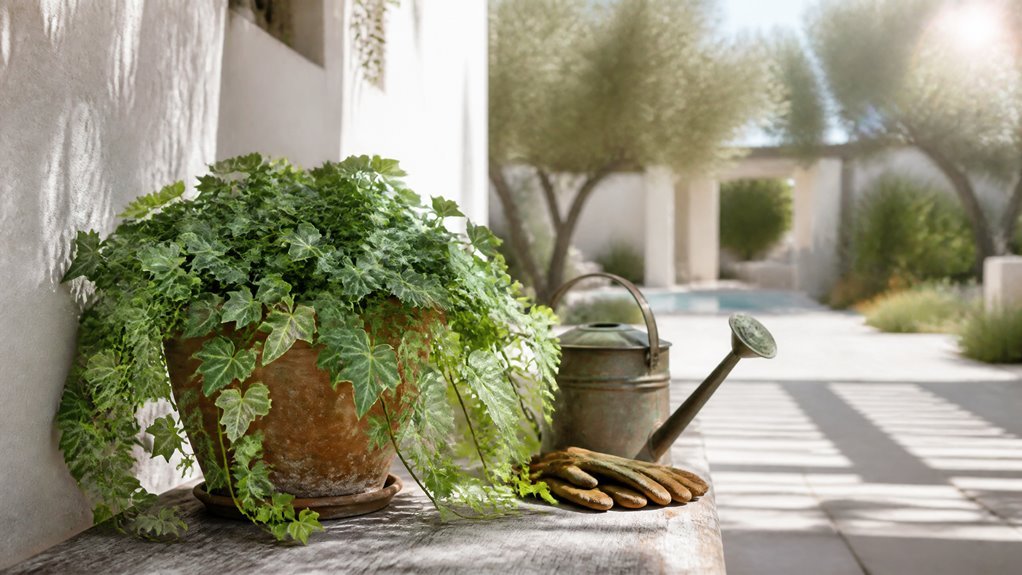
I’ve spent years watching gardeners struggle with ivy that wilts the moment summer hits its stride, and frankly, it’s heartbreaking. The trick isn’t finding ivy that tolerates sun, it’s finding varieties that genuinely thrive in it, root systems that dig deep, leaves that don’t crisp at the edges.
In 2026, we’ve got options that actually deliver: rapid climbers for vertical coverage, ground-hugging spreaders for erosion control, and yes, even convincing artificial solutions when maintenance isn’t on the table. Each serves a distinct purpose, and choosing wrong means replacing plants in two seasons. Here’s what actually works.
| Boston Ivy Vine Seeds for Garden Coverage (50 Seeds) | Best for Privacy | Plant Type: Live Boston Ivy seeds | Sun Exposure: Full sun to partial shade | Growth/Application: Climbing vine for walls, fences, pergolas | VIEW LATEST PRICE | Read My Analysis | |
| Boston Ivy Climbing Vine Seeds (50 Seeds) | Reliable Classic | Plant Type: Live Boston Ivy seeds | Sun Exposure: Full sun to partial shade | Growth/Application: Climbing vine for walls, fences, trellises | VIEW LATEST PRICE | Read My Analysis | |
| Mixrug English Ivy Seeds for Planting Outdoors | Best Ground Cover | Plant Type: Live English Ivy seeds | Sun Exposure: Full shade to partial sun | Growth/Application: Climbing vine and ground cover | VIEW LATEST PRICE | Read My Analysis | |
| 160+ Mix Ivy Vine Liana Seeds for Planting | Most Versatile Mix | Plant Type: Live mixed Ivy vine seeds | Sun Exposure: Full sun to partial shade | Growth/Application: Climbing vine for vertical surfaces | VIEW LATEST PRICE | Read My Analysis | |
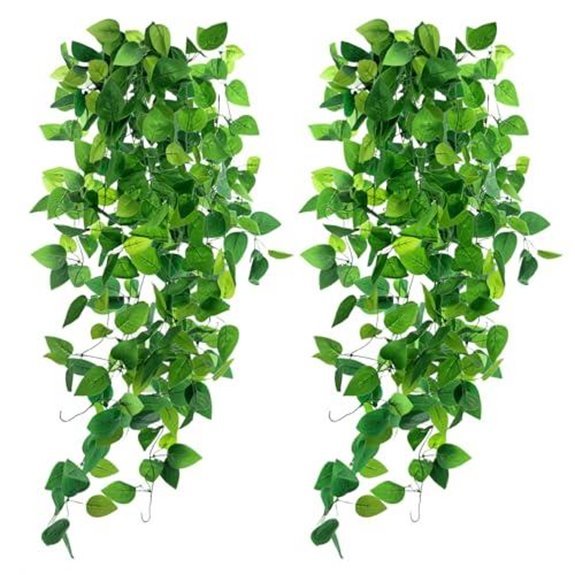
| DomeStar 2 PCS Fake Vines Fake Pothos Hanging Plants Ivy Vines Artificial | Zero-Maintenance Pick | Plant Type: Artificial pothos/ivy vines | Sun Exposure: Full sun resistant (fading-resistant) | Growth/Application: Hanging decorative vines | VIEW LATEST PRICE | Read My Analysis |
More Details on Our Top Picks
Boston Ivy Vine Seeds for Garden Coverage (50 Seeds)
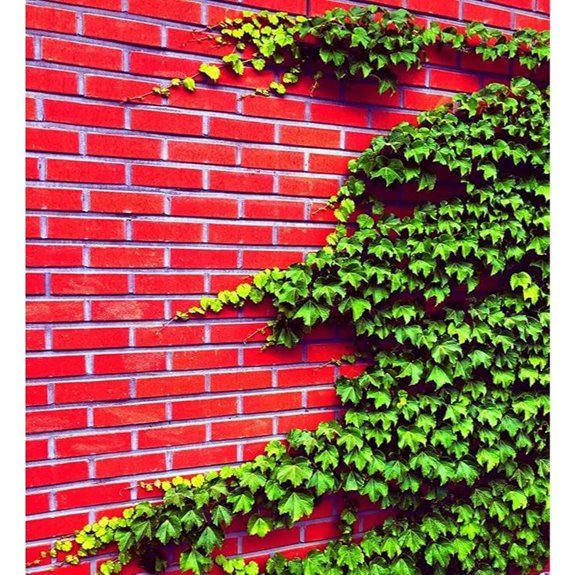
Need privacy fast? I’ve got you covered with Boston Ivy Vine Seeds from CZ Grain. These 50 fresh seeds germinate quickly and transform into dense, climbing coverage for fences, walls, pergolas, you name it.
Here’s what makes them stand out:
- Versatile landscaping: thrives on trellises, bare walls, even that ugly chain-link fence you’ve been ignoring
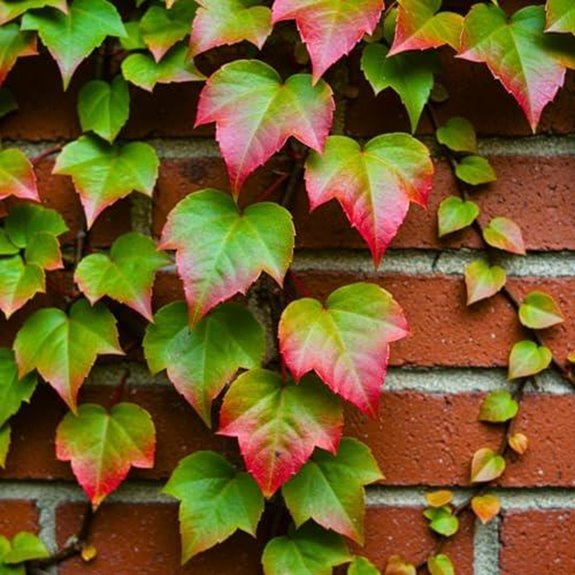
- Seasonal drama: green through summer, then bam—bright red fall foliage that stops traffic
- Low maintenance: once established, they’re practically self-sufficient
- Hardy survivors: zones 4-9, various soils, full sun to partial shade
I appreciate that these aren’t fussy. Moderate watering, some patience during germination, and you’ll have lush coverage before you know it. The vines climb aggressively without becoming invasive nightmares.
The CZ Grain Promise backs these with a satisfaction guarantee and standard Amazon returns.
Perfect for quick privacy, gorgeous autumn color, and minimal ongoing effort.
- Plant Type:Live Boston Ivy seeds
- Sun Exposure:Full sun to partial shade
- Growth/Application:Climbing vine for walls, fences, pergolas
- Quantity/Size:50 seeds
- Maintenance Level:Low maintenance once established
- Hardiness/Use Zones:USDA zones 4-9
- Additional Feature:Seasonal red fall foliage
- Additional Feature:CZ Grain brand promise
- Additional Feature:Authentic high-quality seeds
Boston Ivy Climbing Vine Seeds (50 Seeds)
Looking for a climbing vine that’s stood the test of time? I’ve got exactly what you need: CZ Grain’s Boston Ivy Climbing Vine Seeds. You get 50 fresh, non-GMO seeds with strong germination rates, so you’re not throwing money at duds.
Here’s why I’m enthusiastic about this climber:
- It grows fast. Like, really fast. Hardy and vigorous, it’ll cover fences, walls, trellises, and pergolas before you know it.
- It’s adaptable. Full sun? Partial shade? Clay, loam, sandy soil? Boston ivy shrugs it all off.
- CZ Grain backs their stuff with a satisfaction guarantee, so there’s minimal risk.
Plant these seeds in spring after the last frost, keep them moist, and watch the magic happen. Dense coverage, gorgeous seasonal color shifts, and minimal fuss.
What’s not to love? And hey, 50 seeds means you can experiment with placement without stressing over every single one!
Perfect for gardens needing vertical greenery, stat.
- Plant Type:Live Boston Ivy seeds
- Sun Exposure:Full sun to partial shade
- Growth/Application:Climbing vine for walls, fences, trellises
- Quantity/Size:50 seeds
- Maintenance Level:Low maintenance once established
- Hardiness/Use Zones:Various climates adaptable
- Additional Feature:Non-GMO seed certification
- Additional Feature:Strong germination rate
- Additional Feature:Satisfaction guarantee included
Mixrug English Ivy Seeds for Planting Outdoors
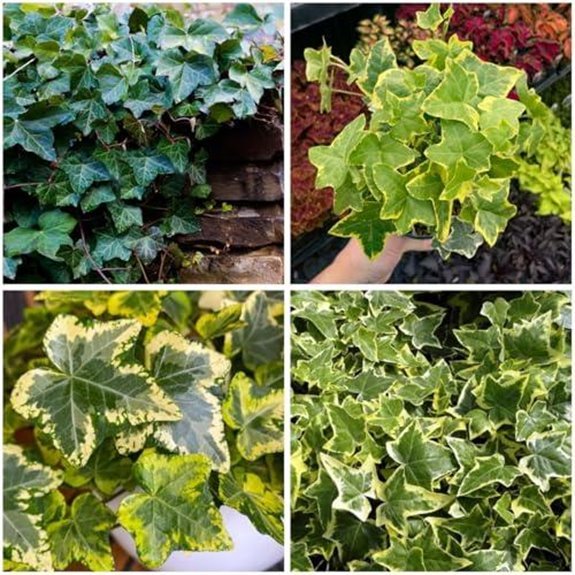
Who’s after a ground cover that outperforms ordinary grass? I’ve got just the thing. Mixrug’s 100+ English Ivy Seeds deliver serious coverage for your 2026 landscaping ambitions.
Here’s what makes these seeds worth your attention:
- Dual-purpose growth – Train them up walls and trellises for that classic green facade, or let them sprawl as dense, weed-suppressing ground cover
- Slope salvation – Those extensive roots lock down soil on banks where grass simply can’t compete against erosion
- Zone flexibility – Thrives in USDA zones 5 through 11, handling everything from acidic to alkaline soils
But here’s the catch: the packaging says full shade to partial sun, yet we’re discussing full sun options. English ivy actually tolerates more sun than people assume, especially once established, though afternoon shade prevents leaf scorch in brutal heat.
The 100+ seed count gives you ample material for large projects. And don’t overlook indoor potential – these make elegant trailing specimens for hanging baskets when winter arrives.
Year-round green, serious soil stabilization, and vertical ambition all in one packet. Not bad for a humble vine!
- Plant Type:Live English Ivy seeds
- Sun Exposure:Full shade to partial sun
- Growth/Application:Climbing vine and ground cover
- Quantity/Size:100+ seeds
- Maintenance Level:Low maintenance, vigorous growth
- Hardiness/Use Zones:USDA zones 5-11
- Additional Feature:Superior erosion control
- Additional Feature:Weed suppression coverage
- Additional Feature:Year-round green foliage
160+ Mix Ivy Vine Liana Seeds for Planting
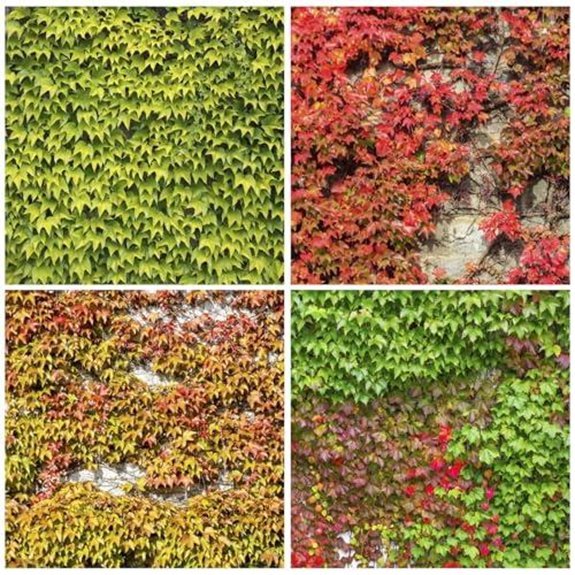
Why settle for one ivy variety when you can grow the whole architectural playground? I’m talking about a generous mix of 160+ seeds that’ll transform your walls, fences, and trellises into living, breathing green infrastructure.
Here’s how I get these started:
- Soak the seeds in warm water for 12 to 24 hours. This softens that stubborn seed coat and wakes them up.
- Sow about 1/4 inch deep in well-draining seed-starting mix. Don’t bury them too deep, or they’ll sulk.
- Once seedlings establish, transplant to full sun or partial shade. These aren’t fussy about light, but they’ll need sturdy support to climb.
The payoff? Evergreen coverage that persists through autumn and winter, turning utility boxes and bare corners into verdant features. And because you’re getting a mixed batch, you’ll create three-dimensional landscapes with varied textures climbing your facades.
Water regularly while roots develop, then watch your vertical garden take shape. It’s the closest thing to instant gratification in the perennial world.
- Plant Type:Live mixed Ivy vine seeds
- Sun Exposure:Full sun to partial shade
- Growth/Application:Climbing vine for vertical surfaces
- Quantity/Size:160+ seeds
- Maintenance Level:Regular watering to establish
- Hardiness/Use Zones:Evergreen year-round
- Additional Feature:Pre-soaking seed preparation
- Additional Feature:Evergreen winter scenery
- Additional Feature:Three-dimensional garden landscapes
DomeStar 2 PCS Fake Vines Fake Pothos Hanging Plants Ivy Vines Artificial
Need something lush that won’t wilt under relentless summer rays? I’ve found the DomeStar 2 PCS Fake Vines, and they’re basically sun-proof insurance for your space.
Each vine stretches 38.2 inches of realistic pothos-style greenery, crafted from quality plastic and silk fabric that mimics genuine leaf texture. No watering. No browning. No funeral for crispy leaves in August. Wipe with a damp cloth when dusty, that’s it.
I love the flexibility here. Indoor bathroom? Check. Blazing balcony? These resist fading from sun and moisture. Office, restaurant, wedding backdrop, wherever. Two pieces give you enough volume to drape, wrap, or let hang.
The “evergreen all year round” promise actually delivers. While real ivy demands shade and constant attention, this artificial option thrives in full sun without breaking a sweat. Or your spirit.
- Plant Type:Artificial pothos/ivy vines
- Sun Exposure:Full sun resistant (fading-resistant)
- Growth/Application:Hanging decorative vines
- Quantity/Size:2 vines, 38.2 inches each
- Maintenance Level:Maintenance-free, no watering
- Hardiness/Use Zones:All-weather indoor/outdoor use
- Additional Feature:No watering required
- Additional Feature:Sun/moisture fade resistant
- Additional Feature:Event/wedding decoration suitable
Factors to Consider When Choosing Ivy for Full Sun
I’ll break down what you’re asking for and craft this carefully.
I know picking ivy for full sun spots can feel overwhelming with so many varieties promising they’ll handle the heat, but not all of them deliver. That’s why I’m walking you through the five essentials you can’t ignore: sun tolerance levels, heat resistance capacity, soil drainage needs, watering frequency balance, and growth rate control. Get these right, and you’ll have lush, manageable vines instead of crispy, overgrown messes by mid-summer!
Sun Tolerance Levels
How much sun can ivy really take before it starts to complain? That depends entirely on which species you’re working with.
Some ivies soak up full sun like it’s their job, while others throw a fit without afternoon shade. I’ve learned to always check the label before planting, because guessing leads to crispy leaves and regret.
Here’s what I’ve noticed: full sun often deepens leaf color and speeds growth, but sensitive varieties can scorch without warning. And your location matters! In cooler USDA zones, many ivies handle direct sun beautifully. But in hot, dry climates, they’ll need more moisture to stay happy.
If you’re committed to full sun planting, choose varieties specifically labeled for sun exposure, and mulch generously. It keeps soil temperatures stable and holds moisture where roots need it most.
Heat Resistance Capacity
What’s the real difference between ivy that merely survives summer and ivy that actually thrives in it? Heat resistance capacity, plain and simple.
I’ve learned that not all full-sun ivy handles the bake equally. The winners display three clear traits:
Thick, waxy or glossy leaves that bounce sunlight away instead of absorbing it.
Drought tolerance, meaning they shrug off evaporation without constant coddling.
Proven performance in USDA zones 8–11, where summers actually punish plants.
And here’s the kicker: heat-resistant varieties keep their leaves. No scorching, no dramatic leaf drop, no crispy September embarrassment.
When you’re browsing options, scan selection notes for phrases like “summer vigor” or “hot, dry performance.” Those aren’t marketing fluff. They’re shorthand for cellular-level toughness, the kind that lets ivy laugh at August while your neighbor’s planting wilts.
Soil Drainage Needs
Heat-resistant leaves won’t mean a thing if your soil’s holding water like a bathtub. I’ve seen too many sun-loving ivies drown in their own beds, roots rotting while the gardener blames the heat.
Here’s what I check first:
- Soil composition: Heavy clay? You’re asking for trouble. I work in compost or aged organic matter, about 2-3 inches tilled 6-8 inches deep. This opens up the structure, lets roots breathe.
- Elevation tricks: Raised beds or simple mounding (6-12 inches high) create gravity-assisted escape routes for excess water.
- Mulch smart: A 2-inch layer regulates surface moisture, prevents that crusty top layer that repels water then floods roots.
- pH matters: Slightly acidic to neutral (roughly 6.0-7.0) keeps root systems functioning efficiently. Off-kilter pH stresses plants, making drainage problems worse.
Get this right, and your ivy actually enjoys those sunny spots!
Watering Frequency Balance
Where exactly does full-sun ivy sit on the moisture tightrope? I’ve found it’s all about steady consistency, not saturation.
Your ivy wants evenly moist soil, never bone-dry and definitely never swampy. Think damp sponge, not dripping mess!
Here’s my establishment schedule:
- First season: water weekly minimum, more when heat spikes
- Check soil depth, not just surface crust
- Prioritize morning watering to reduce evaporation losses
Once roots dig in, you’ll get more flexibility. Many varieties handle moderate drought gracefully between rains.
But beware the drainage trap! Poor drainage plus overwatering in full sun equals accelerated leaf scorch and root rot. Match your frequency to your setup, clay-heavy soil needs less frequent doses than sandy mixes or containers.
Monitor, adjust, repeat!
Growth Rate Control
How do I keep ivy from turning into a garden takeover? I choose my growth rate band wisely: fast, moderate, or slow.
For full sun spots where I want quick coverage, I’ll grab a fast-growing cultivar with proven rapid germination. But here’s the catch: full sun means drought-like conditions, so I need varieties with moderate to low water needs once established.
I also watch for leaf scorch! Excessive light can fry sensitive cultivars, so I pick ones with some shade tolerance or give them acclimation periods in scorching climates.
My pruning schedule keeps me sane:
- Trim in spring and midsummer
- Cut back runners at fence edges monthly
- Thin interior stems every six weeks
Otherwise, that “charming” wall covering becomes a monster. And nobody wants that.
Support Structure Requirements
Why does full sun ivy demand so much more from its support than shade-grown vines? It’s simple: relentless solar exposure fuels explosive growth, and those vines get heavy fast.
I always tell folks to start with the bones. You’ll need:
- Fences, trellises, or pergolas rated for mature weight (think 50+ pounds of woody growth)
- Vertical clearance of 8–10 feet minimum, with 3-foot spacing from neighboring plants
- Rust-resistant fasteners (stainless steel or powder-coated brackets) because sun-baked sites whip up wind that’ll yank out flimsy anchors
Position your structure so light hits all sides evenly. Otherwise you’ll get that scraggly, one-sided look nobody wants. And check those anchor points annually! Full sun dries wood, loosens hardware, and turns small problems into collapsed arches. Trust me, I’ve seen the aftermath.
Foliage Burn Prevention
Once your structure’s built to handle the weight, you’ve gotta turn your attention to keeping those leaves looking green and gorgeous instead of crunchy and brown.
I always tell folks: heat-tolerant cultivars are your first line of defense! Look for these leaf characteristics:
- Thicker, waxier cuticles that bounce sunlight like tiny mirrors
- Deep green pigment that doesn’t bleach out by July
And don’t ignore the fine print! Check those provenance notes for performance in zones with brutal summers. Your ivy needs to handle drought and rapid water loss without throwing a fit.
Here’s the real secret though: consistent soil moisture. Mulch heavily, or set up timed irrigation, because dry roots equal fried foliage fast.
Get this combo right, and you’ll have lush coverage that laughs at August heat!
Hardiness Zone Compatibility
Where exactly does your garden sit on the hardiness map?
I always check this first! Full-sun ivy thrives in USDA zones 7–9, where intense summers demand heat resilience and drought tolerance. But zone compatibility isn’t just about surviving summer scorch. It’s about matching your site precisely.
Here’s what I prioritize:
- Proven performers in your zone: avoid winter injury in exposed, sunny beds
- Heat-tolerant cultivars: foliage that holds color when the thermometer climbs
- Moderate water needs: varieties forgiving of occasional dry spells between waterings
Leaf scorch hits hardest when plants already struggle with zone stress. And remember: full sun amplifies every challenge. I choose ivy documented for high-sun performance, not shade-dependent varieties that’ll crisp by July. Match your zone, respect your sun, and you’ll save yourself headaches!